Are AI 'Scientists' Closer Than We Think? [The Reality Check]
Sam Altman's dream of an 'automated AI researcher' by 2028. Sounds great, right? But a dose of old-school skepticism suggests we're not even close to true AI innovation.
Deep dives into academic papers, theoretical breakthroughs, algorithmic efficiency, and the science advancing artificial intelligence.
Sam Altman's dream of an 'automated AI researcher' by 2028. Sounds great, right? But a dose of old-school skepticism suggests we're not even close to true AI innovation.
Microsoft dropped its latest research at NSDI '26, and it’s not just more clouds. They're weaving AI deeper into the fabric of everything, from how data centers breathe to how LLMs actually run.
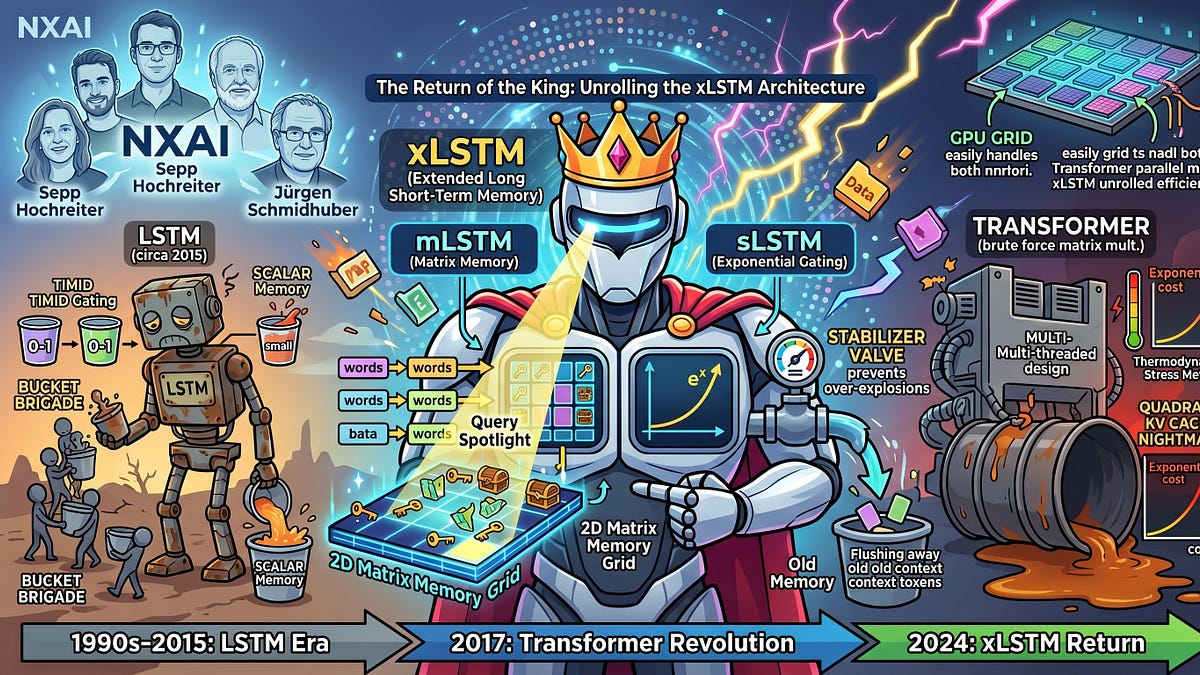
Transformers reigned supreme. Now, the xLSTM architecture is back, challenging the established order. What does this mean for the future of AI?
Linear regression. It's the bedrock of so many analytical endeavors. But the way statisticians and machine learning engineers approach this foundational technique reveals a fascinating divergence in purpose and perspective.
A new approach to Retrieval Augmented Generation (RAG) is making waves. It ditches vector embeddings entirely, achieving near-perfect results on a key benchmark.
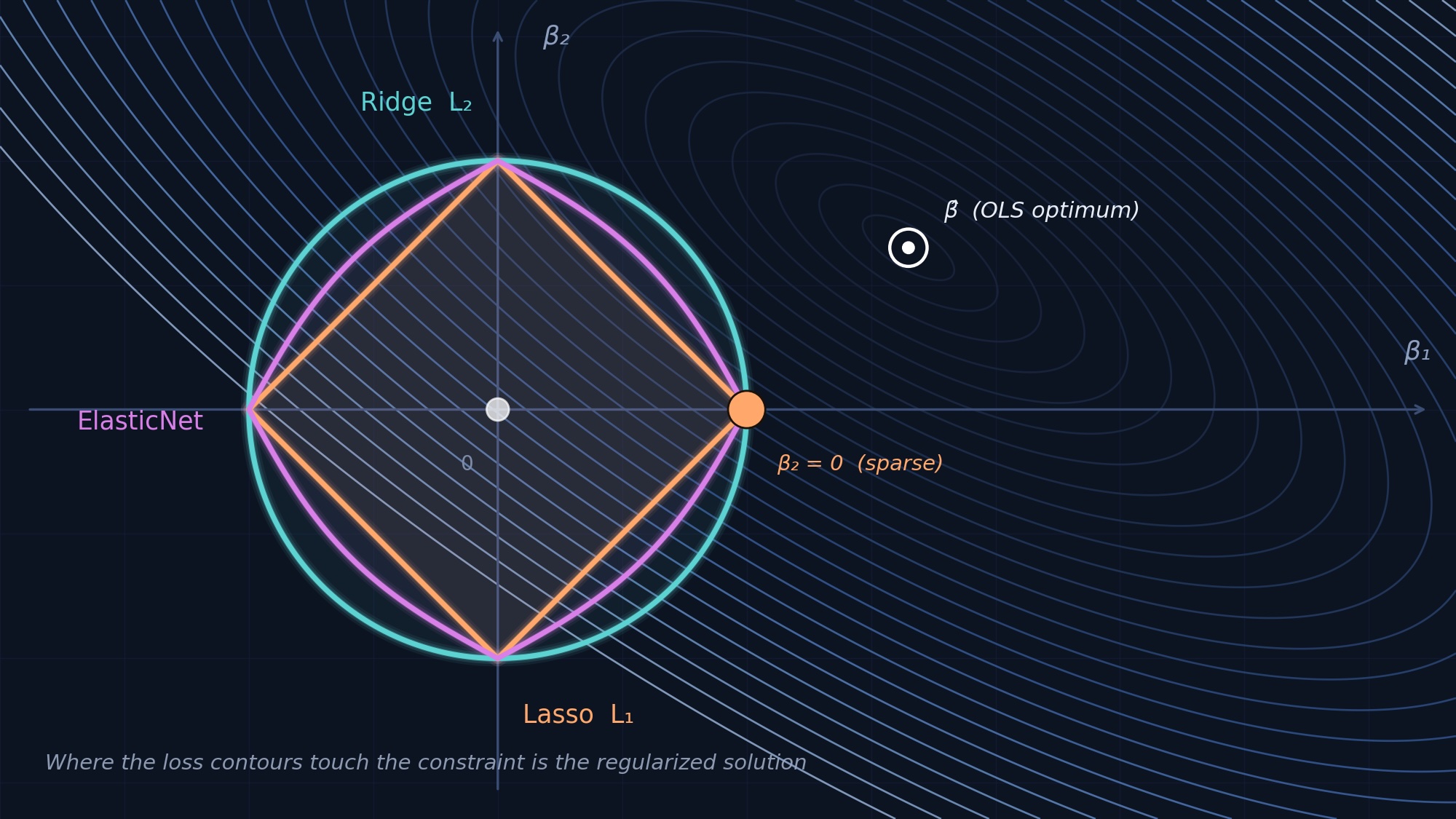
For years, data scientists have debated Ridge, Lasso, and ElasticNet, often defaulting to tutorial recommendations or gut feelings. Now, a massive simulation study aims to settle the score, revealing when your choice actually impacts performance.
The age-old problem of AI agents misunderstanding complex scientific data might finally be over. A groundbreaking paper introduces Eywa, a novel framework that allows diverse AI models to collaborate, bypassing the limitations of text-based reasoning.
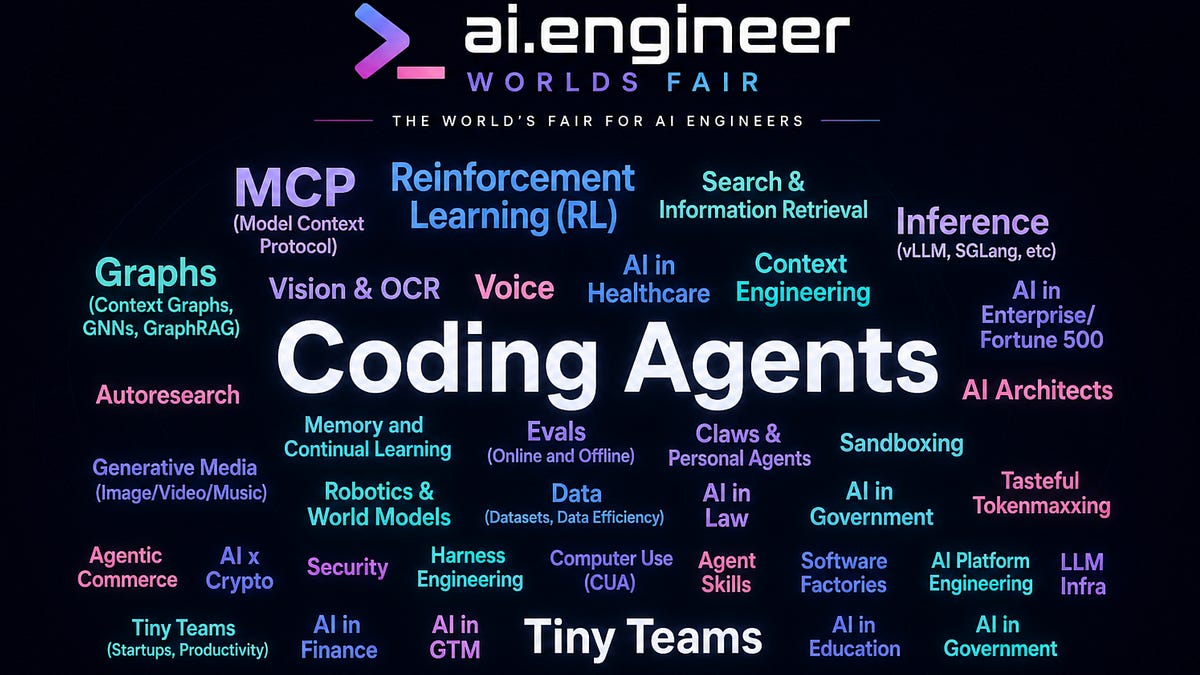
The AI Engineer World's Fair is back and bigger than ever, opening a Wave 2 call for speakers to dive into cutting-edge topics like Autoresearch and Agentic Commerce. Expecting over a million unique AI engineers, this year's event promises to be a crucial gathering for industry insights and innovation.
The K-Nearest Neighbors algorithm isn't just a Q&A fodder; it's a foundational concept with surprising depth. We're peeling back the layers.
AI in medicine often gets things wrong, but worse, it's blissfully unaware of its own mistakes. A new architectural approach aims to fix this, acknowledging AI's ignorance as a feature, not a bug.
Google DeepMind is planting a flag in Seoul with a new AI campus, promising to turbocharge Korean scientific research. But what's the real architecture behind this ambitious partnership?
We’ve built AI that can write poetry and pass the bar, yet struggles with a falling coffee cup. Is this a scaling issue, or a fundamental architectural flaw?