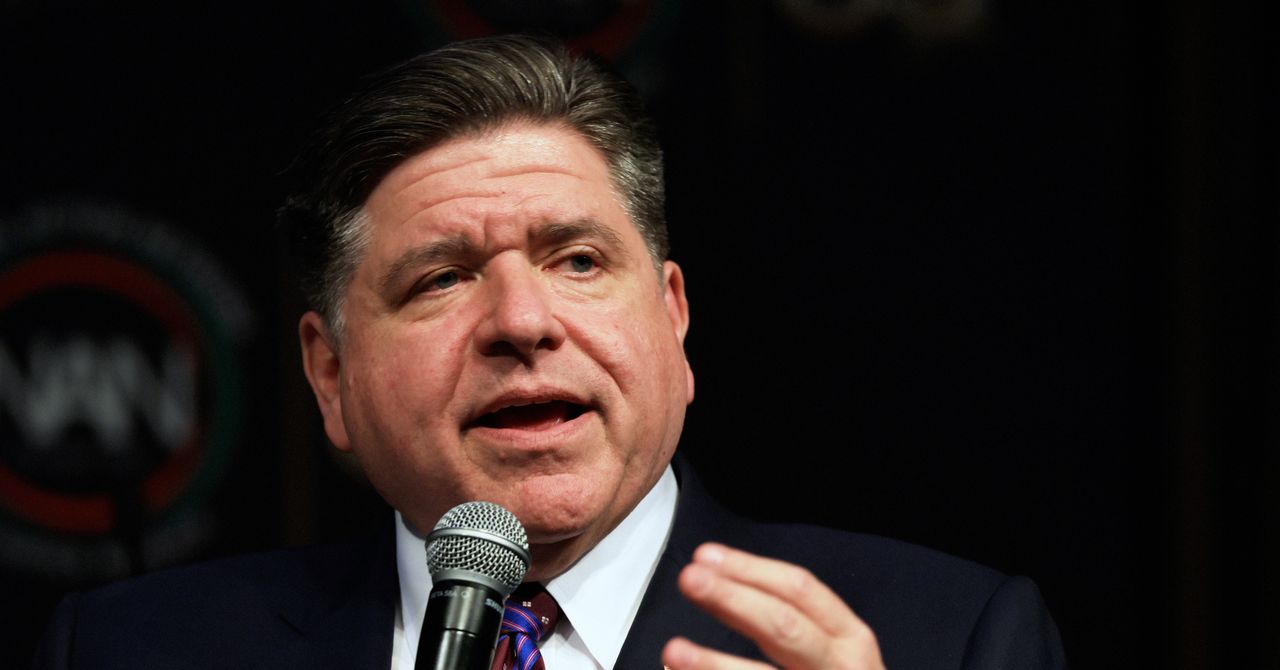
So, are we talking about genuine regulation, or just another Silicon Valley shell game? Because here’s the thing: just days after the White House suddenly punted on the whole “federal government vetting frontier AI models” idea — citing fears of, gasp, stifling innovation (translation: cutting into profits) — the Illinois legislature decided to step up. They’ve passed SB 315, a bill that, if signed by Governor J.B. Pritzker, would slap the biggest AI firms with some serious-sounding requirements. We’re talking public safety plans, annual reports on independent safety testing for their fancy frontier models, and — this is the juicy bit — a 72-hour window to report critical safety incidents to the state, dropping to 24 hours if there’s an “imminent risk of death or serious physical harm.” Whistleblower protections for employees spilling the beans about risks companies might prefer to sweep under the rug? Check. Pritzker’s already crowing about Illinois “leading the nation in holding Big Tech accountable.” Sounds impressive, right?
The Industry’s Stamp of Approval — Suspiciously Enthusiastic?
Here’s where my finely tuned cynicism kicks in. Both OpenAI and Anthropic, the very companies whose models would be subjected to this scrutiny, are reportedly supporting the bill. Support? From companies that usually fight tooth and nail against any hint of regulation? That’s like a wolf enthusiastically volunteering to help design the sheep pen. Chris Lehane, OpenAI’s chief of global affairs, is out there telling folks they’re pushing for similar laws elsewhere. Why? To avoid a “patchwork of starkly different state laws.” Translation: “Let’s get ahead of this and shape it into something manageable, something we can live with — something that doesn’t actually threaten our bottom line.”
Anthropic’s head of state and local government relations, Cesar Fernandez, is quoted saying the bill’s requirements “mirror safety testing protocols that leading AI firms are already voluntarily doing.” He calls it a “baseline that every leading AI developer is expected to meet.” And that’s the kicker, isn’t it? If they’re already doing this voluntarily, then what exactly is new here, besides a shiny new state law to point to when the regulators come knocking? It feels less like genuine constraint and more like a proactive effort to get ahead of the curve by defining the curve themselves.
Who’s Actually Making Money Here?
This is the 20-year veteran’s question, isn’t it? Who profits from this dance? OpenAI and Anthropic get to present themselves as responsible actors, proactively engaging with regulators, while simultaneously setting the terms of that engagement. They gain a degree of predictability and potentially slow down more stringent, less-industry-friendly regulations. For Illinois, it’s a PR win. They look decisive, forward-thinking, and tough on Big Tech. Governor Pritzker gets to tout this as a major accomplishment. But is this going to fundamentally change how these companies operate or how they develop their AI? I’m not holding my breath.
My unique insight here? This isn’t regulation in the traditional sense. It’s a masterclass in regulatory capture, where the regulated industry actively participates in — and helps shape — the rules that govern them. It’s a way to preempt more disruptive federal action by creating a seemingly strong but ultimately industry-friendly framework at the state level. Think of it as putting a nice, polished lock on a door that they themselves can easily unlock.
Is this truly a step towards safer AI, or just a clever piece of corporate strategy dressed up as legislative victory? The devil, as always, is in the details, and I suspect we’ll be seeing a lot more of that before any real accountability takes hold. For now, it’s a headline, a talking point, and another layer of complexity in the ever-growing AI ecosystem. And, of course, more potential revenue streams for the consultants who will help these companies comply with the regulations they helped write.
What This Means for AI Development
If the companies that develop AI are already doing these tests and reporting mechanisms internally, then SB 315 primarily adds an official governmental layer and potentially a more public-facing element to these processes. This could force a greater degree of transparency than previously existed, compelling companies to publicly document safety incidents and testing results. However, the voluntary nature of the current practices suggests that the core development and safety philosophies of these AI labs will likely remain largely unchanged, especially since they had a hand in crafting the legislation. The real impact will be in how the state of Illinois chooses to enforce these mandates and what recourse citizens or other entities have when safety concerns arise. It also sets a precedent that other states might follow, creating a fragmented regulatory landscape that larger companies are often better equipped to navigate than smaller, emerging AI startups.
🧬 Related Insights
- Read more: AI Agents Force a Brutal Software Infrastructure Rewrite – Good Luck With That
- Read more: Numos’s $4.25M Push: AI That Finance Teams Can Actually Trust
Frequently Asked Questions
What does the Illinois AI safety law require?
Major AI firms must submit public safety plans, annual third-party safety testing reports, and report critical safety incidents within 72 hours (or 24 for imminent risks).
Did major AI companies support the Illinois law?
Yes, both OpenAI and Anthropic publicly supported the bill, stating it aligns with their existing safety practices and establishes a necessary baseline.
Will this law significantly change AI development practices?
Possibly not significantly, as the requirements largely mirror voluntary practices already undertaken by leading AI firms, though it introduces new public reporting and state oversight.