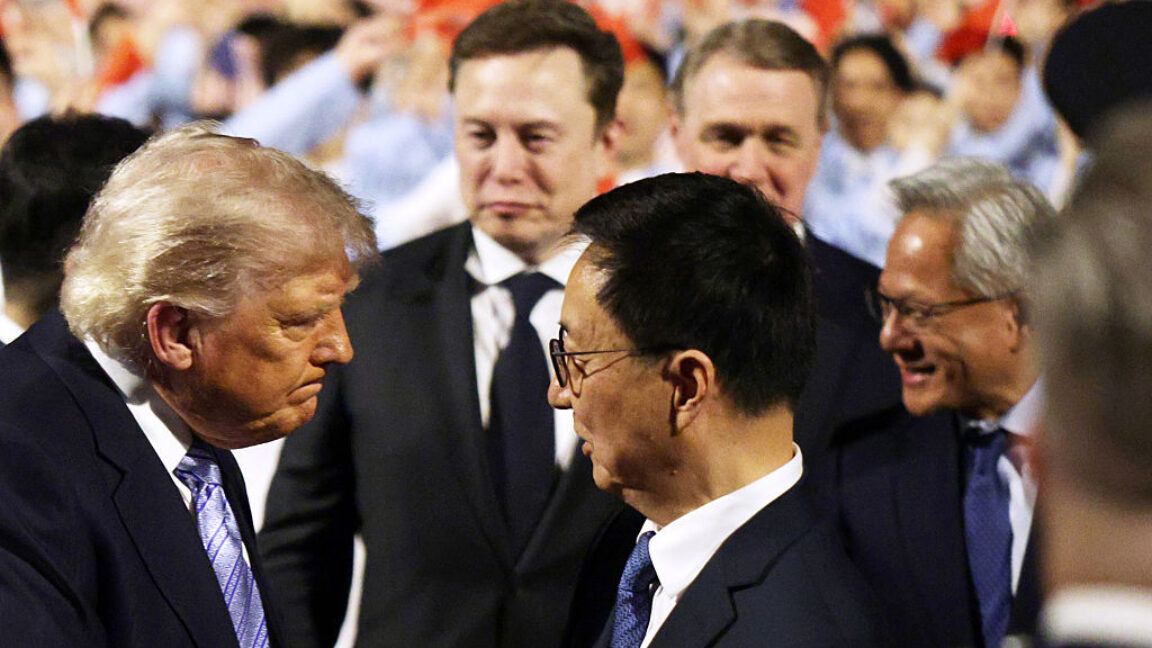
Forget the optics of a presidential signing ceremony abruptly canceled. What matters for the everyday person is that the proposed government oversight of advanced AI models has been punted, not addressed. This isn’t just a political footnote; it’s a signal that the wild west of artificial intelligence development just got a little wilder, with consequences for everything from the chatbots we interact with to the cybersecurity risks we face.
And that’s largely because the tech industry itself is far from unified on how – or even if – government should step in. President Trump’s eleventh-hour decision to pull the plug on an executive order designed to grant the government the authority to test frontier AI models before public release wasn’t a policy shift. It was a capitulation to internal industry pressure, a move that effectively keeps the brakes off a rapidly accelerating technology. The whole debacle, orchestrated with 24 hours’ notice, left some CEOs mid-flight to the White House, a stark visual of the chaos.
The Lobbying Blitz: Who Pulled the Strings?
Sources suggest a significant push from key industry players like Elon Musk and Mark Zuckerberg, who reportedly urged Trump to “call it off.” This isn’t entirely surprising. For these titans, extensive government pre-testing could mean costly delays, the revelation of proprietary methods, or mandatory changes that slow their race to market dominance. The fear is palpable: safety tests, even if ostensibly for public good, could become an insurmountable barrier to innovation or, more cynically, a tool for competitors to use.
The tech industry lobbied against the order, fearing that safety testing could delay model launches or require changes that set back model development.
OpenAI, however, was reportedly in favor of the signing. This divergence of opinion paints a clear picture: a schism exists between those who see value in regulated development – perhaps recognizing the long-term risks of unchecked AI – and those prioritizing immediate market capture. David Sacks, a former AI advisor to Trump, also played a role in advocating for the delay, indicating a broader anti-regulatory sentiment within certain influential circles.
Is This a Step Back for AI Safety?
The administration’s initial impetus for this order stemmed from genuine concern. Anthropic flagging cybersecurity risks with its latest model, Mythos, evidently spooked officials. The plan was to expand voluntary government vetting of these powerful, often opaque, AI systems. Now, that proactive stance has been effectively neutralized, leaving the government playing catch-up in a domain where it already struggles to keep pace.
The implications for real people are direct. We’re about to see more AI models deployed with less upfront scrutiny. This could mean more sophisticated misinformation campaigns, increased potential for algorithmic bias to go unchecked in critical sectors like hiring or lending, and a heightened risk of unforeseen security vulnerabilities in systems that are becoming increasingly integrated into our daily lives. It’s a classic case of prioritizing speed over surety, a bet that the market will self-correct – a gamble that often leaves the public holding the bag.
This isn’t about stifling innovation. It’s about responsible stewardship. The market dynamics at play here are a familiar story: the allure of first-mover advantage often trumps careful consideration of long-term societal impact. Think of the early days of social media, where the race for user engagement led to unchecked spread of disinformation and privacy erosion, problems we’re still grappling with years later. This current situation feels eerily similar.
The absence of this executive order means the government’s role in guiding AI development remains largely undefined, at least for now. While proponents of the delay argue for a lighter touch, the genie is truly out of the bottle. Without clear governmental guardrails, the responsibility falls even more heavily on the developers themselves – a responsibility they’ve historically shown a mixed willingness to embrace without external pressure. The market will continue to churn, but the path forward for safe, reliable AI is now significantly more convoluted.
🧬 Related Insights
- Read more: Stryker Recovers from Iranian Data Wipeout in Record Time
- Read more: Bitcoin Bears’ $2.5 Billion Reckoning Looms at $72K
Frequently Asked Questions
What was the executive order about? The executive order would have given the U.S. government the authority to test advanced AI models before they are released to the public, aiming to identify and mitigate potential risks.
Why did Trump cancel the event? President Trump canceled the signing due to what reports suggest was dissatisfaction with attendance from major AI CEOs and pressure from some industry figures who lobbied against the order.
Will this mean AI models are less safe now? With the executive order canceled, the immediate government-mandated safety testing is off the table, potentially leading to less upfront scrutiny of new AI models entering the market.