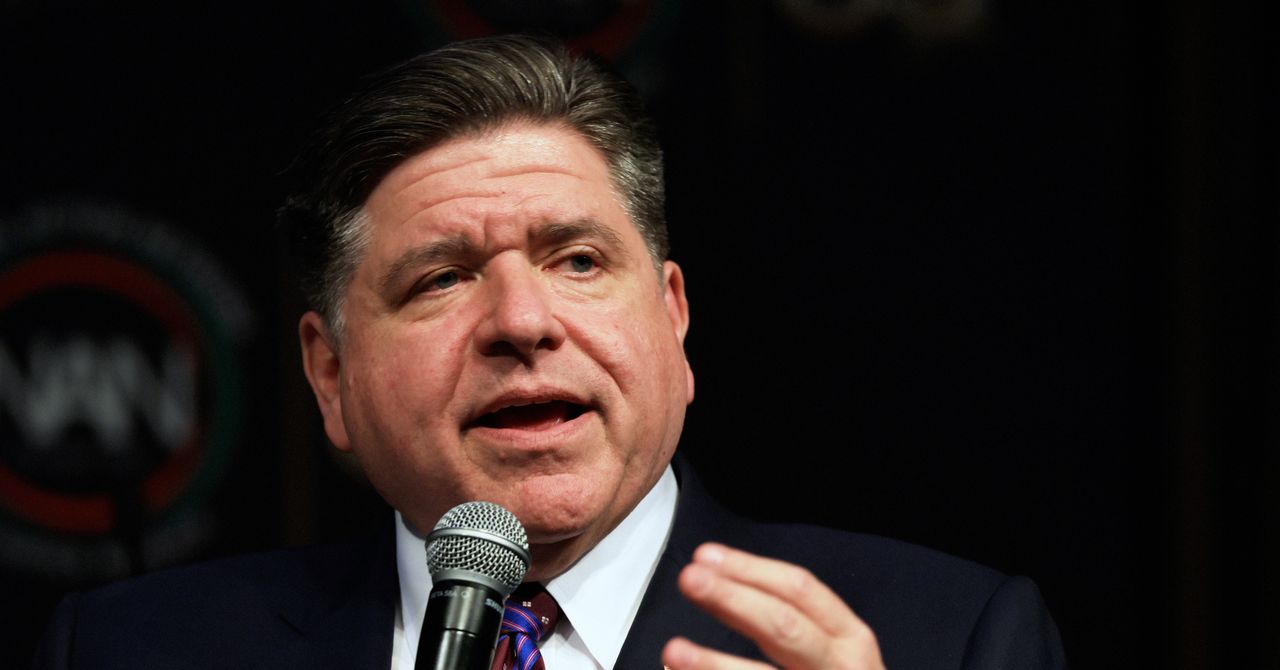
Does the strongest AI safety bill in the nation actually make us safer, or is it just a masterclass in regulatory theater? That’s the question lingering in the air after Illinois lawmakers overwhelmingly passed SB 315, a bill mandating third-party audits for what it terms ‘frontier AI labs’—think OpenAI, Anthropic, and Google DeepMind. Governor JB Pritzker has signaled his intent to sign, cheering the move as a win for Big Tech accountability. But a closer look at market dynamics and corporate lobbying reveals a more nuanced, and perhaps cynical, reality.
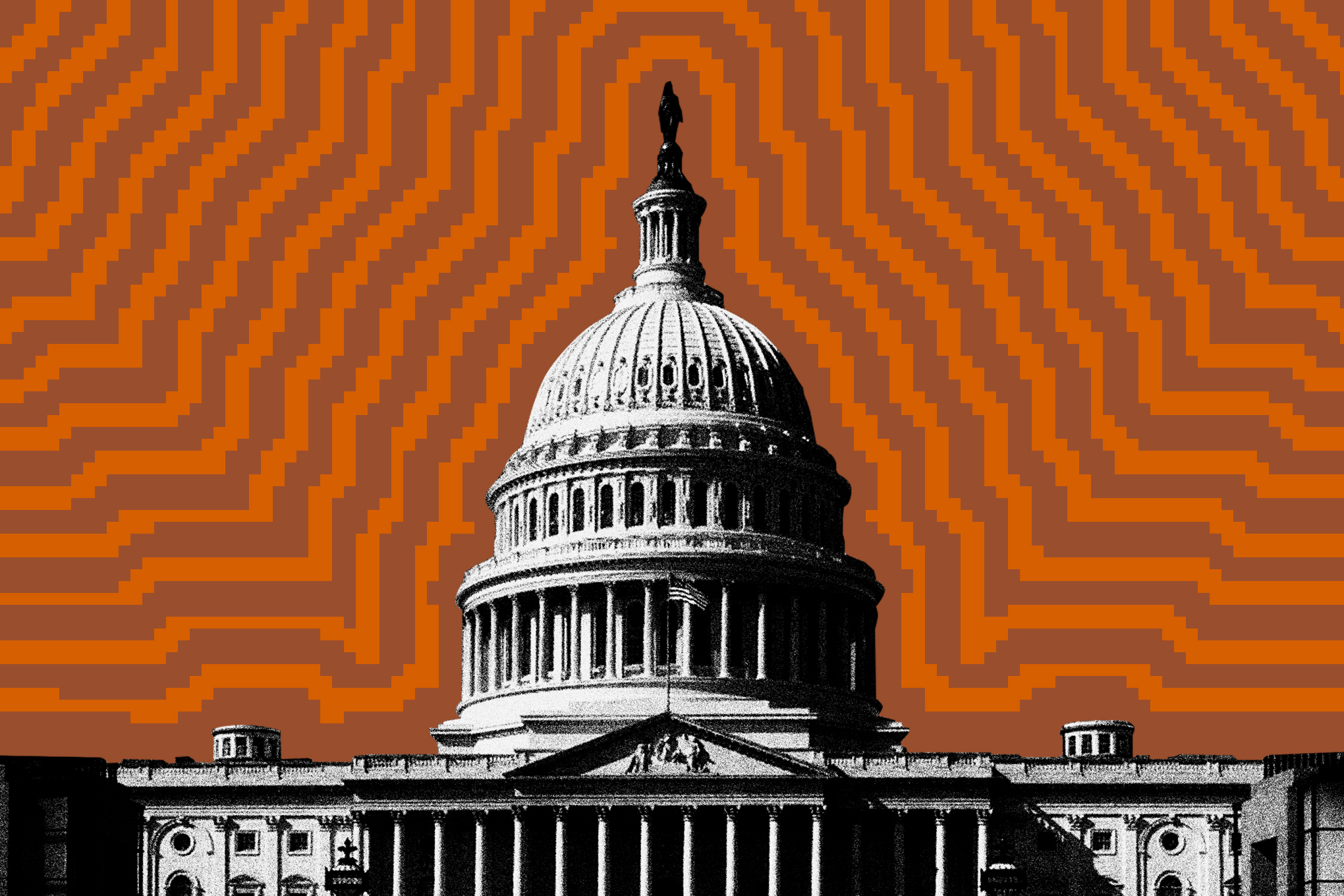
With Congress sleepwalking through a legislative vacuum on artificial intelligence, state legislatures have become the de facto battlegrounds for AI regulation. Companies, eyeing massive IPOs and acutely aware of public unease, are strategically engaging with these sub-federal bodies. OpenAI, for instance, has openly declared its policy approach is now geared toward navigating a series of state-level wins. This presents a narrative of proactive safety measures, but it’s also a calculated move to shape an emerging regulatory landscape in their favor.
Illinois’ bill purports to go beyond the existing frameworks in California and New York, which primarily focus on reporting model guardrails and safety incidents. SB 315 introduces the requirement for independent auditors to verify that AI labs are actually adhering to their self-proclaimed safety standards. Scott Wisor of the Secure AI Project, a proponent of the bill, notes, “We’re in a situation where the AI companies grade their own homework.” This bill, he suggests, would finally bring in an external checker. The anticipated auditors? The Big Four accounting firms or members of the AI Evaluator Forum—entities with existing ties to the very tech giants they’d be scrutinizing.
Corporate Interests Align (or Appear To)
Illinois has indeed become a key testing ground. OpenAI’s chief global affairs officer, Chris Lehane, stated that the company’s policy is now “oriented around passing a series of similar state laws.” This sounds collaborative, even laudatory, especially when contrasted with prior legislative attempts by OpenAI in Illinois that seemed designed to dodge liability for catastrophic AI-induced harm. Lehane’s backtrack on that previous proposal, framing it as an ‘oversight,’ conveniently smooths the path for SB 315. Anthropic, too, has lined up, calling the bill a way to “establish a baseline that every leading AI developer is expected to meet.” It’s an elegant dance: embrace a seemingly stringent regulation that allows for significant control over the auditing process itself.
But not everyone is dancing. The Chamber of Progress, a trade group with major tech players like Google and Apple on its roster, voiced opposition. Its CEO, Adam Kovacevich, warned that the bill “would force companies to expose sensitive systems to untested auditors in a regulatory regime that’s all liability and no standards.” This critique cuts to the quick: is the proposed regime truly about independent oversight, or is it a way for these labs to curate the perception of safety while potentially exposing themselves to novel forms of liability without a clear set of enforceable standards?
The irony, of course, is palpable. While state legislatures are positioning themselves as the bulwark against unchecked AI power, the legislation they’re passing often seems to be collaboratively drafted with the very entities it’s meant to regulate. This isn’t entirely new. Industry groups have long influenced regulatory frameworks, shaping them in ways that are palatable, if not outright beneficial, to their business models. The question isn’t whether these AI labs can be audited—they can. The real question is whether these audits, orchestrated within a framework shaped by the industry itself, will lead to genuine safety improvements or simply serve as a sophisticated public relations exercise. It’s akin to asking a student suspected of cheating to pick their own proctor.
Future-Proofing or Future-Bending?
State representative Daniel Didech, a sponsor of SB 315, frames these state laws as vital “testing grounds” for potential federal legislation. This perspective positions SB 315 not as an endpoint, but as a stepping stone. Yet, this strategy of incremental, state-by-state regulation, while pragmatic for lawmakers eager to appear proactive, risks creating a complex, often contradictory, patchwork of rules. This, ironically, is the very outcome the Trump administration has previously railed against, seeking a unified approach to maintain America’s competitive edge. The current approach, however, seems more about companies strategically navigating and influencing the ‘patchwork’ before any coherent federal policy emerges. It’s a race, but who is truly winning it?
So, when AI safety experts laud Illinois’ new law as the nation’s leading check on AI power, it’s worth pausing. The bill demands audits, yes. But who designs the audit criteria? Who certifies the auditors? And what happens when the audited companies have already influenced the parameters of the audit itself? The market dynamics here suggest a sophisticated strategy by AI labs to engage with regulation on their terms, using state legislative wins to build momentum and influence the broader national conversation. It’s a powerful demonstration of industry influence, dressed up in the attire of public safety.
Is This the Strongest AI Safety Law in the US?
Proponents argue yes. SB 315 in Illinois mandates third-party audits of AI labs’ safety practices, a step beyond current laws in California and New York that focus more on reporting and transparency. This requirement for external verification is seen as a significant advancement in holding AI companies accountable to their stated safety commitments.
Why Do AI Companies Support This Bill?
For major AI labs, supporting legislation like SB 315 offers a strategic advantage. It allows them to shape the evolving regulatory landscape by proactively engaging with lawmakers and influencing the design of new rules. By endorsing seemingly stringent safety measures, they can enhance their public image, potentially preempt more burdensome regulations, and gain a competitive edge by setting standards they can meet—or help define. It’s a way to control the narrative and the regulatory process.
What’s the Chamber of Progress’s Concern?
The Chamber of Progress, a tech industry trade group, opposes SB 315, arguing it would force companies to expose proprietary systems to “untested auditors” within a poorly defined regulatory framework. Their concern is that the bill lacks clear standards and could create undue liability for companies without providing a strong, predictable system for compliance and enforcement.
🧬 Related Insights
- Read more:
- Read more: 766 Next.js Servers Gutted by CVE-2025-55182: Hackers Snag Keys, Secrets, and Your Whole Damn Infra Map
Frequently Asked Questions
What does Illinois’ new AI safety bill actually do? Illinois’ SB 315 requires frontier AI labs to have their safety practices audited by an independent third party. This means external auditors will verify if these labs are adhering to their own safety claims and commitments.
Will this bill stop AI from causing harm? The bill aims to increase accountability by ensuring AI labs’ safety practices are independently reviewed. However, it doesn’t guarantee that AI will never cause harm, as the effectiveness of the audits depends on their rigor and the standards they enforce.
What is a ‘frontier AI lab’? A ‘frontier AI lab’ generally refers to organizations developing highly advanced and powerful AI models, often referred to as ‘large’ or ‘general purpose’ AI systems. Companies like OpenAI, Anthropic, and Google DeepMind are typically considered frontier AI labs.