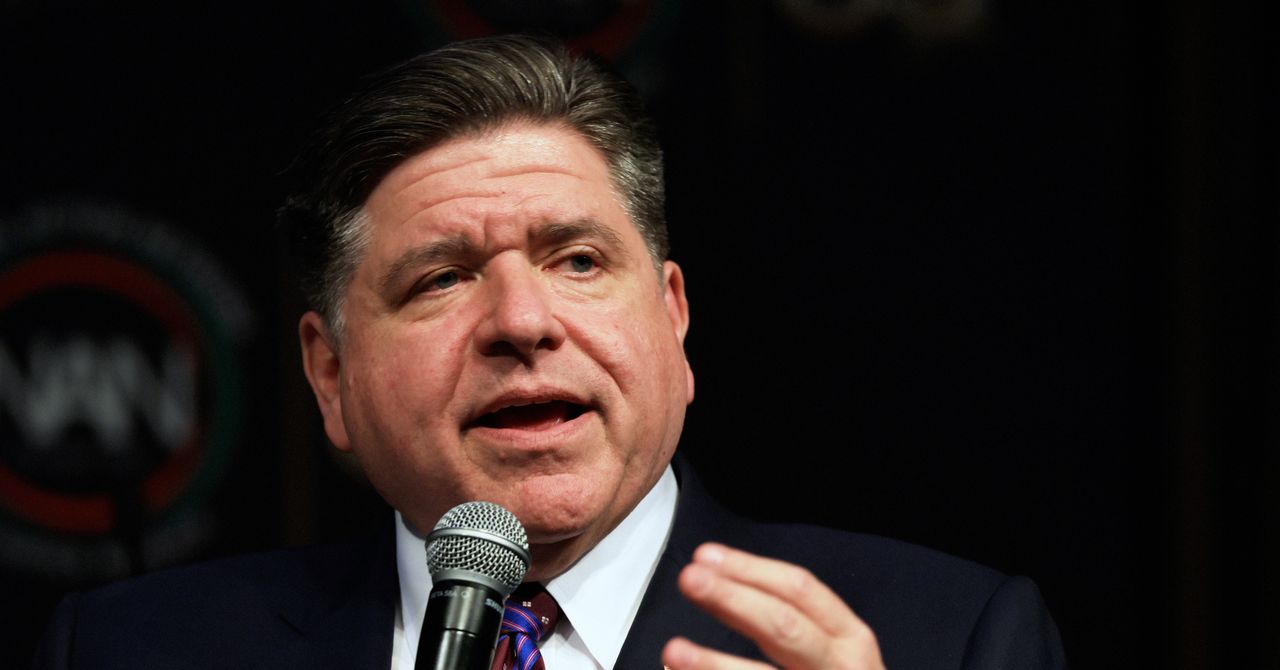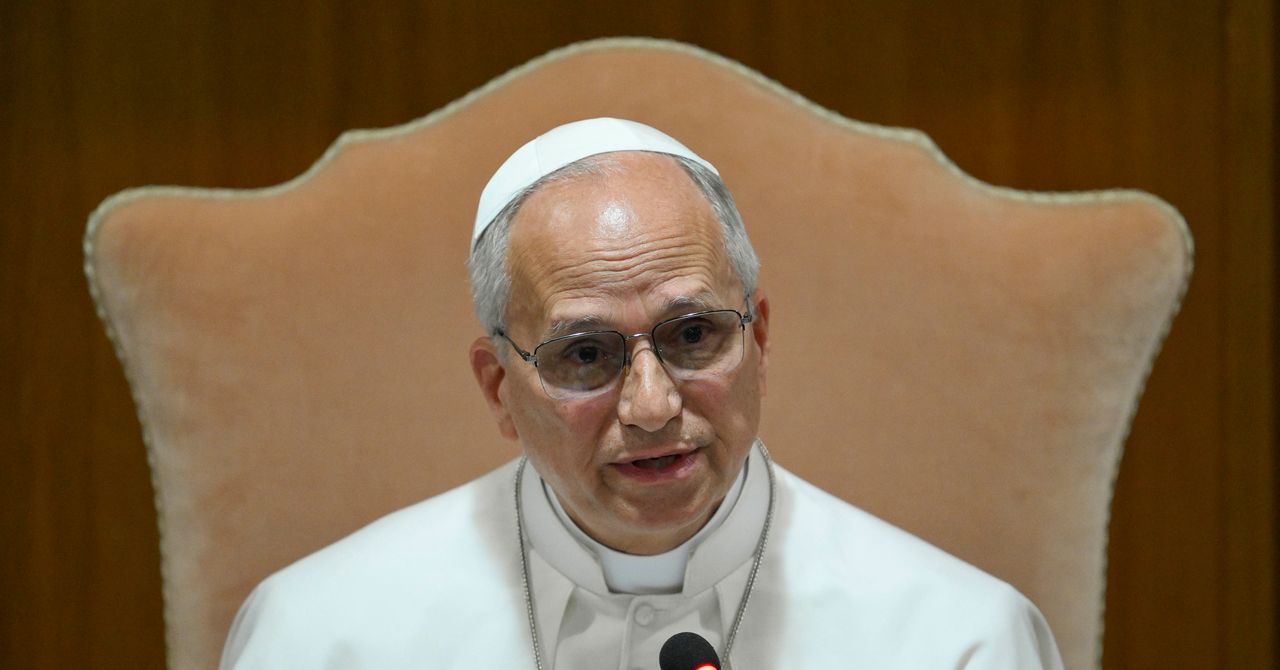
When Pope Leo XIV unveiled his first encyclical on artificial intelligence, the guest list at the Vatican wasn’t filled with cardinals and theologians alone. Christopher Olah, co-founder of Anthropic, was there, a stark signal of an unprecedented alliance forming between the ancient institution of the Catholic Church and the very heart of Silicon Valley’s AI ambitions. To grasp the ‘how’ and ‘why’ behind this seemingly odd pairing, we have to rewind to Anthropic’s very inception.
The Safety Sentinel: Why Anthropic?
Anthropic burst onto the scene in 2021, not with a whimper, but a walkout. A significant contingent of researchers, including Dario and Daniela Amodei, departed OpenAI, driven by a palpable conviction: AI models were accelerating toward a power threshold that mere competitive fervor couldn’t responsibly manage. Their mission? To build not just potent AI, but controllable AI, systems guided by an ethical compass. This ethos gave birth to their flagship concept: Constitutional AI. Instead of relying solely on endless rounds of human correction for undesirable outputs, Constitutional AI trains models using a codified set of principles and rules – a digital constitution, if you will.
Whispers in the Digital Cloisters: The Vatican’s Tech Overture
Olah’s presence wasn’t a spur-of-the-moment invitation. It was the culmination of a deliberate, years-long strategy by the Vatican. The Holy See was transitioning from a detached moral observer of technology to an active participant in dialogue with the AI industry itself. The initial overture came in 2020 with the Rome Call for AI Ethics, a cross-industry initiative championed by the Pontifical Academy for Life, roping in giants like Microsoft and IBM. The aim was to forge a shared ethical bedrock for AI development – think transparency, inclusion, and accountability.
Initially, the Vatican’s engagement felt rooted in bioethics and abstract moral quandaries. But the landscape shifted. The meteoric rise of ChatGPT, the escalating geopolitical tussle for AI supremacy between the US and China, and the sheer, unyielding might of Big Tech gradually illuminated a starker reality for the Holy See: this wasn’t merely about tech ethics anymore. It was about the future trajectory of humanity itself.
This evolving context cast Anthropic in a new light for the Vatican. While many Silicon Valley players were laser-focused on innovation and pure growth, Anthropic had woven AI safety into the very fabric of its corporate identity. Consequently, the Vatican began to focus intensely on a specific, thorny issue within the AI discourse: model alignment.
The Philosopher-King of Code: Olah’s Critical Role
This is where Christopher Olah enters the narrative, not as a boardroom executive, but as a visionary researcher. While the Amodeis navigate the public eye, Olah embodies the more theoretical, almost philosophical dimension of AI science. He’s a leading figure in model interpretability, the painstaking quest to explain the black box of complex neural networks and understand precisely what’s happening under the hood. Olah himself articulates this drive as aiming to “transform neural networks into algorithms understandable to human beings.” It’s difficult to conceive of a figure more perfectly aligned with Pope Leo XIV’s encyclical, which grapples precisely with the peril of creating technologies so potent they elude human comprehension, control, and governance.
According to various reports, discussions between Vatican-affiliated circles and Anthropic reportedly gained momentum during global AI safety summits. The Vatican perceived Anthropic as a company willing to publicly concede a vital truth: the AI problem couldn’t be solved by the tech industry acting in isolation. This resonates deeply within both the encyclical and its presentation, which repeatedly stress that technology is never neutral, and that algorithms inherently carry specific worldviews. Anthropic’s Constitutional AI project, in essence, aims to imbue AI models with explicit values and principles.
The core connection, therefore, boils down to a shared apprehension: the fear that increasingly powerful AI systems might become solely products of the relentless economic, geopolitical, and competitive pressures driving the global AI race.
Reputation: The Ultimate Silicon Valley Currency
Beyond the spiritual and ethical dimensions, there’s a hard industrial reality at play: for Anthropic, cultivating a relationship with the Vatican bestows immense reputational capital. At a juncture where AI is inextricably linked to debates surrounding employment, national security, surveillance, and military strategy, the mantle of an ‘ethical AI company’ is an undeniable asset. Claude, Anthropic’s flagship chatbot, was purportedly engineered with trust as its central tenet, responding to an ethical constitution. The company’s consistent public messaging reinforces this image.