PLA Buys Nvidia Chips Anyway.
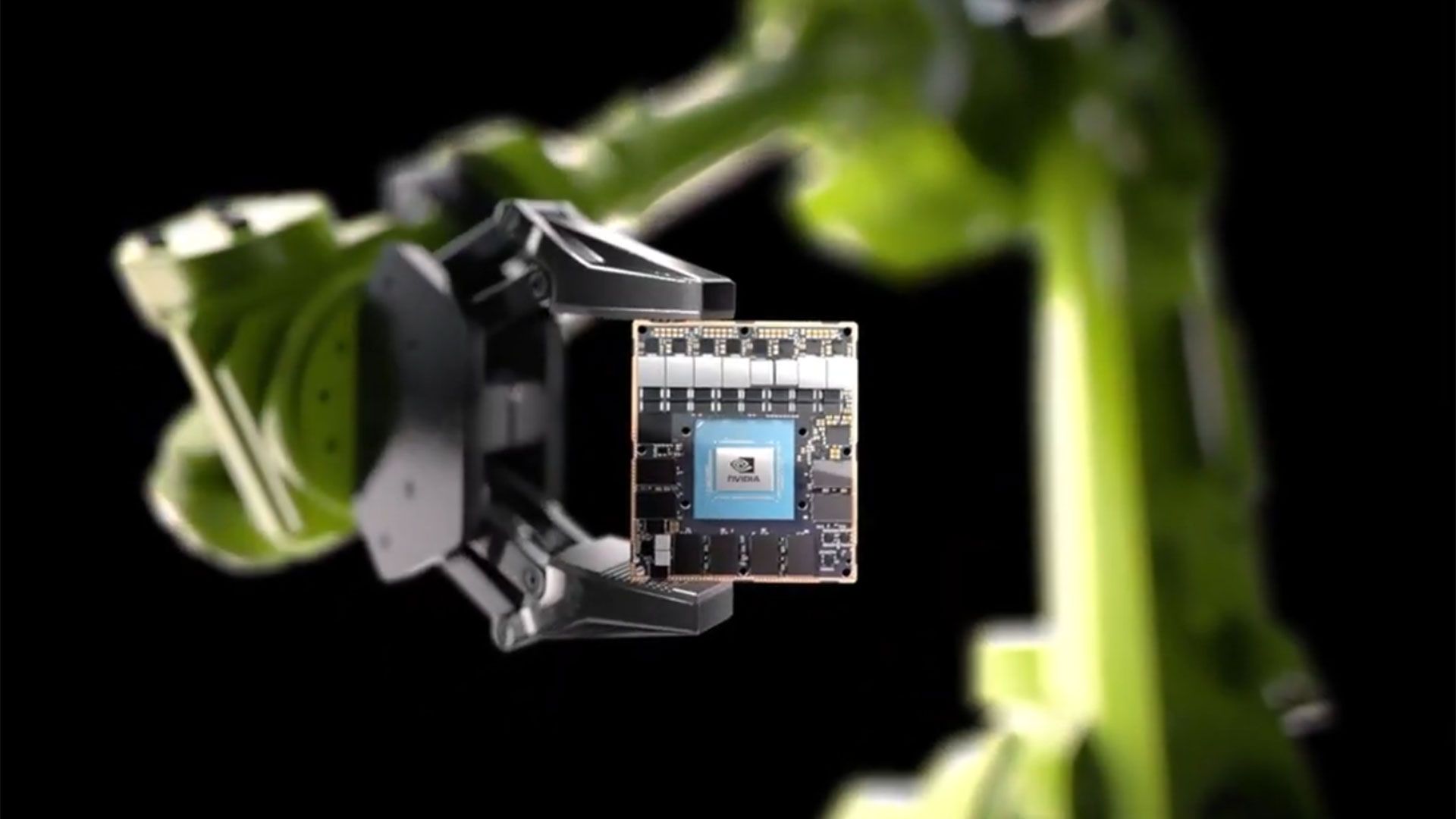
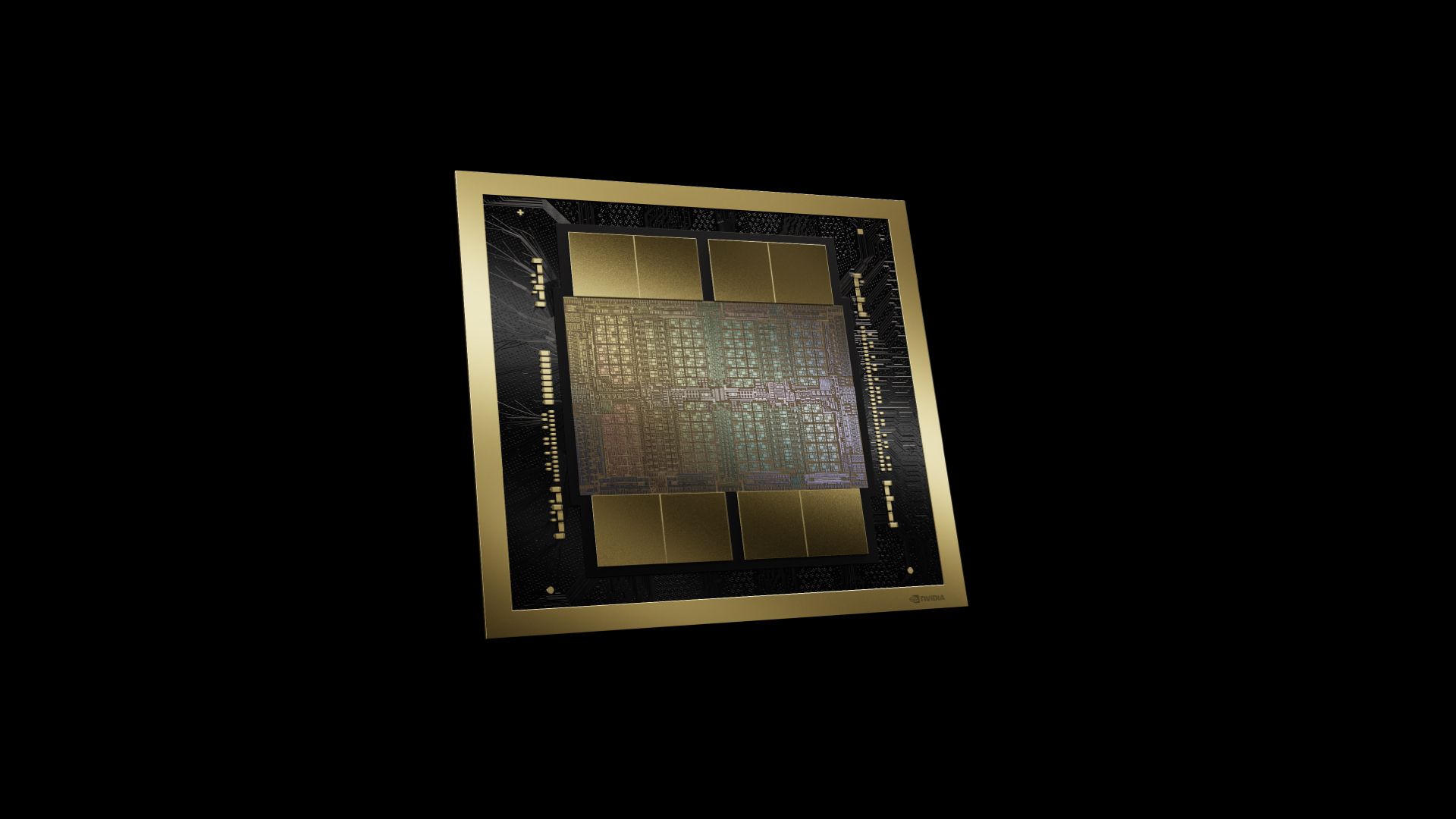
Shocking, I know. Especially when you consider the supposed iron grip Uncle Sam has on its most advanced silicon. But apparently, the People’s Liberation Army — you know, the guys who aren’t exactly best buds with the West — have been sniffing around Nvidia’s top-shelf AI chips. And get this: they’ve been doing it even after the U.S. government slapped export controls on the stuff in 2022. Public documents, those dusty old things, show that from 2019 all the way to next year, various PLA units have been eyeing Nvidia’s A100, A800, H100, and H800 processors. Sometimes they were sneaky about it, listing specs; other times, they just called them out by name. It’s almost like they’re not afraid of a little paperwork.
Here’s the kicker: this isn’t some fringe operation. The New York Times, bless its investigative heart, dug through nearly 3,800 procurement records. Out of those, a hefty 500 instances show Chinese military units trying to snag Nvidia hardware. We’re not talking about a single rogue division here. The report suggests nearly every branch of the PLA — and I mean units working on nuclear simulations, war games, and even cyberattacks — was looking for these chips. One cybersecurity outfit even wanted A100-powered AI servers specifically for a password-cracking tool called hashcat. Because, you know, nothing says ‘defensive posture’ like a state-sponsored cracking rig.
Now, the White House dropped these export controls in 2022, ostensibly to stop the PLA from using these advanced chips to boost its military research. And sure, shipping them directly became illegal without a license that was practically impossible to get. But here’s where it gets messy, just like any good supply chain drama: buying and using them wasn’t illegal in China at the time. So, while the official channels got a nice, firm ‘no,’ plenty of institutions, including those tied to the PLA, just found other routes. It’s the classic “don’t do the crime, don’t do the time” loophole, except they’re doing both the buying and the using.
And where there’s demand, there’s always someone willing to profit. This whole situation has apparently made smuggling Nvidia chips into China a rather lucrative side hustle. We’ve seen reports of enterprising individuals rerouting shipments through places like Singapore, Malaysia, Thailand, Taiwan, and even Japan. It’s like a high-tech game of international hot potato, all for the love of cutting-edge AI hardware. Even Supermicro’s co-founder, Wally Liaw, got tangled up in accusations of smuggling $2.5 billion worth of these servers. Apparently, greed knows no borders, and neither does the PLA’s need for computational power.
You’d think Nvidia CEO Jensen Huang, who’s famously voiced his opposition to export controls, believing they’d just push China to innovate domestically, would be smug. He’s argued that letting the hardware be used globally anchors advancements to American AI infrastructure. And, to be fair, Washington’s moves did make it harder for Chinese firms. But it also, as Huang himself probably figured, lit a fire under domestic chip manufacturers. They might not be quite where U.S. companies are yet, but they’re clawing their way up. Huang also claimed the PLA would shun U.S. tech, much like the U.S. doesn’t trust Chinese hardware. Based on these procurement records, that claim looks about as solid as a house of cards in a hurricane. Nvidia’s spokesperson, John Rizzo, tried to downplay it, telling the NYT that large AI systems use hundreds of thousands of chips, implying the reported numbers are insignificant. Really? A hundred thousand chips is insignificant when the enemy is using them for war games and cyberattacks? Please.
So, what’s the takeaway for your average politician wringing their hands in Washington? It’s a nightmare. Especially for those who’ve been yapping about not giving China any military advantage. Even with a recent, late-stage policy flip allowing Nvidia to export some chips, some Republican lawmakers are still pushing for more congressional control over AI chip exports. The irony is, even as they debate this, Beijing itself has reportedly told its customs officers to intercept certain high-end chips at the border, trying to boost its own chip industry. It’s a race, and frankly, it looks like the U.S. might be stumbling out of the gate.
Who’s Really Profiting from This Chip Tug-of-War?
Let’s cut through the geopolitical noise for a second. Who is actually cashing in? On one side, you have Nvidia, which, despite the restrictions, is still selling an astronomical amount of chips globally. Their inability to directly sell to certain Chinese entities doesn’t mean they’re hurting. The demand is global, and they’ve got a near-monopoly on the bleeding edge of AI hardware. Then you have the shadowy figures involved in the alleged smuggling operations. These aren’t typically household names, but their profit margins on these high-value, heavily regulated components must be astronomical. And finally, you have the Chinese domestic chip manufacturers. While they aren’t directly selling Nvidia chips, the pressure from these export controls, and the PLA’s persistent demand, is a powerful incentive for them to catch up and innovate. This creates a long-term industrial advantage for China, funded indirectly by American export policies. It’s a complex web, and Nvidia, it seems, is the spider at the center, spinning a web of demand and profit that’s hard to untangle.
Why Does This Matter for National Security?
This isn’t just about a tech company’s bottom line. When a military like China’s People’s Liberation Army gains access to advanced AI processing capabilities, it has profound implications for national security. Think about it: enhanced capabilities in cyber warfare, improved intelligence gathering and analysis, more sophisticated simulation for military strategy, and potentially, the development of autonomous weapons systems. These aren’t theoretical exercises; they are real-world applications that can shift the balance of power. The U.S. export controls were designed to slow China’s military AI advancement. If those controls are being circumvented with such apparent ease, it suggests a significant vulnerability in those policies. It raises questions about how effective sanctions truly are against determined state actors and how strong our intelligence and enforcement mechanisms are when faced with sophisticated evasion tactics. The pursuit of these chips by units focused on nuclear simulations and cyberattacks is particularly concerning, suggesting applications that directly impact global stability and the nature of future conflict.
The PLA’s alleged pursuit of Nvidia chips, even post-export controls, is a stark reminder that geopolitical competition in the tech sphere is far from over. It highlights the dual-edged sword of advanced technology and the constant cat-and-mouse game played out in supply chains and procurement documents.
🧬 Related Insights
- Read more: Venom Stealer: The Malware That Turns One-Time Heists into Endless Data Streams
- Read more: White House to Bankers: Stablecoin Yields Aren’t Stealing Your Deposits
Frequently Asked Questions
What exactly are Nvidia’s A100, A800, H100, and H800 chips? These are high-performance graphics processing units (GPUs) designed by Nvidia. They are particularly suited for artificial intelligence workloads, machine learning, and high-performance computing due to their parallel processing capabilities. The ‘A’ and ‘H’ series represent different generations and performance tiers, with H100 and H800 being newer and more powerful than A100 and A800. The A800 and H800 are specific variants designed to comply with U.S. export controls for China, featuring reduced networking speeds compared to their unrestricted counterparts, though the PLA’s alleged procurement suggests these limitations were either bypassed or deemed insufficient for their needs.
Will the U.S. ban on Nvidia chips affect AI development globally? Yes, the ban and subsequent export controls have a significant impact. They aim to limit China’s military and technological advancement, potentially slowing its progress in AI research and development. Conversely, this restriction could spur greater investment and innovation in domestic Chinese chip manufacturing and AI development, as observed. For global AI development, it fragments the market and could lead to different AI ecosystems developing based on available hardware and geopolitical alliances. It also raises questions about the long-term accessibility of cutting-edge AI hardware for research institutions and companies worldwide.
Why is the Chinese military interested in AI chips? AI chips are crucial for modern military applications. They enable faster data processing for intelligence, surveillance, and reconnaissance; improve the accuracy of simulations for war-gaming and strategic planning; enhance the development of autonomous systems and drones; and are fundamental for advanced cyber warfare capabilities, including tasks like password cracking. Essentially, AI chips provide a significant technological advantage in military operations and research, allowing for more sophisticated analysis and more potent offensive and defensive capabilities.