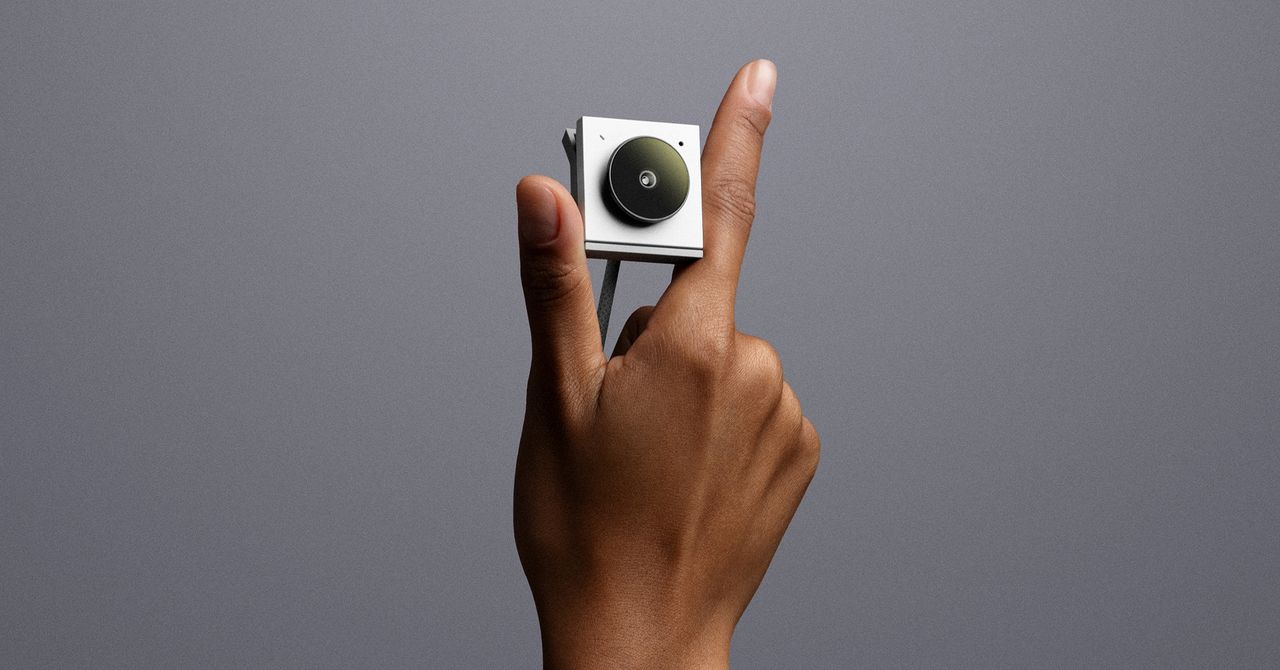
Everyone expected OpenAI to build its own hardware. Or at least partner with someone who wasn’t a niche webcam company. Instead, we’ve got Opal Electronics, a startup that sold about 50,000 webcams, suddenly flush with $40 million from OpenAI and a mandate to build AI gadgets. This wasn’t just a cash injection; it’s a full-blown pivot, a rebranding from Opal Camera to Opal Electronics, signaling an ambition far beyond slick webcams. They’re aiming for Sony-esque breadth, focusing on design and culture over raw tech specs. A noble goal. If history is any guide, it’s also a recipe for expensive failure.
This whole shebang hinges on a personal connection. Sam Altman, OpenAI’s overlord, was an early fan of Opal’s webcam. So enamored, in fact, that his team trotted over to see if Whisper could run locally. That visit, apparently, was when OpenAI flashed them a peek at ChatGPT. Boom. Inspiration strikes. The company decided to morph into a research lab. And now, a few years later, they’re unveiling an AI-powered audio product, the very thing that convinced Altman to open his wallet.
It’s launching in the next three to four months. It’s already being tested by Altman himself, plus OpenAI researchers and execs from xAI, Thinking Machines, and Anthropic. Details are scarce, which is always a good sign (read: they don’t want to commit to anything). It’s not a wearable, apparently. And definitely not an iPhone competitor. So, what is it? A familiar product category. That’s reassuring. Almost as reassuring as a vegan steak.
This isn’t OpenAI’s first rodeo with hardware dreams. They’ve already tapped Jony Ive and LoveFrom to explore personal devices running ChatGPT. Rumor has it their own first product is a smart speaker, slated for a glacial 2027 launch. Opal’s audio device, however, is slated to launch with a specific AI lab. Which one? The source is mum. But they are talking to OpenAI, Anthropic, and xAI, meaning users might get to swap out the brains like changing a lightbulb. Opal plans two more products in the next year. Because why not?
On their new website, a looping video shows off their growing table of designs. “In three years, we have not released a product, and our table has grown full,” it reads. They also promise to open-source everything when their products die – 3D drawings, schematics, the works. A nice gesture. A very nice gesture for a company that’s apparently been building things in secret for years.
So, OpenAI is now the big cheese shareholder. But they don’t own Opal’s IP. Opal can play with anyone. They’re already chatting with others for their next move. It’s a bit of a loose arrangement. Smart, perhaps. Or just messy.
Let’s not forget, Opal wasn’t exactly begging for cash. They’d shifted over 50,000 webcams by 2023. Started with five people, grew to twelve for their second product. They build their gear in Taiwan. Solid. But the market for AI hardware has been a graveyard. Humane Ai Pin. Rabbit R1. All promised to dethrone smartphones. All spectacularly crashed and burned. Opal’s website promises “little and deliver beyond that.” A refreshing change. Or just more marketing fluff.
What’s the unique insight here? This entire venture feels like a desperate grab for relevance by OpenAI, post-ChatGPT hype. They’ve seen the carnage in the AI hardware space and are now trying to find a proven (relatively speaking) hardware player to be their Trojan horse. Opal, with its design-first approach and prior hardware experience, fits the bill. It’s a bet that carefully curated design and a familiar form factor can overcome the fundamental AI hardware problem: most people don’t need a dedicated AI device when their phone does a perfectly good job.
Is Opal’s Audio Gadget Just Another Failure Waiting to Happen?
Look, the graveyard of AI hardware is enormous. Humane’s Ai Pin was a tech marvel that couldn’t escape the practicality of a smartphone. Rabbit R1 offered a glimpse into a voice-first future but stumbled on execution. Opal is stepping into a minefield. Their previous products—well-designed webcams—were simple. Adding complex AI, potentially needing cloud processing or powerful local chips, is a massive leap. If this audio gadget can’t offer something demonstrably better than a smartphone app for voice commands or transcription, it’s dead on arrival. The reliance on multiple AI labs could be a strength, allowing flexibility, or a weakness, creating an incoherent user experience. The company needs to nail the core functionality and the user experience to even get out of the gate.
Why is OpenAI Investing in Opal’s Hardware Ambitions?
OpenAI’s investment in Opal isn’t just about getting an AI audio gadget to market. It’s about owning a piece of the hardware future. The company understands that to truly integrate AI into daily life, it needs to move beyond screens and keyboards. By backing Opal, OpenAI gains an experienced hardware design and manufacturing partner, allowing them to explore the physical manifestation of their AI models without the immediate burden of building an entire hardware division from scratch. It’s a strategic move to plant a flag in the burgeoning AI hardware sector, leveraging Opal’s existing design chops and distribution channels. Plus, if Opal’s product actually works, it could serve as a de facto showcase for OpenAI’s models.
Opal Electronics plans to make an AI-powered audio product. The company received $40 million in funding from OpenAI. The gadget is expected to launch in the next three to four months.
“In three years, we have not released a product, and our table has grown full.”
Opal Electronics is attempting to pivot from webcams to AI hardware. The company has secured significant funding from OpenAI to develop an AI-powered audio gadget. This move comes at a time when the AI hardware market has seen several high-profile failures.
**
🧬 Related Insights
- Read more: NetBSD’s Cells: Kernel Jails That Don’t Bloat Your Server
- Read more: Waves Crash, Pipelines Creak: California’s AG Draws Line on Risky Oil Restart
Frequently Asked Questions**
What does Opal Electronics’ new AI audio gadget do?
Opal Electronics is developing an AI-powered audio product. Specific functionalities are not yet detailed, but it’s expected to use large language models and potentially allow users to switch between different AI labs’ models.
Will this new AI gadget replace smartphones?
According to the provided information, the product is not designed to compete with or replace the iPhone. Its focus is on a familiar product category, suggesting it aims to augment rather than supplant existing devices.
What happened to Opal’s webcams?
Opal Camera is rebranding to Opal Electronics and expanding its product portfolio beyond webcams to include AI-focused consumer devices. While they had success with their webcams, the company is now shifting its primary focus to new AI hardware.