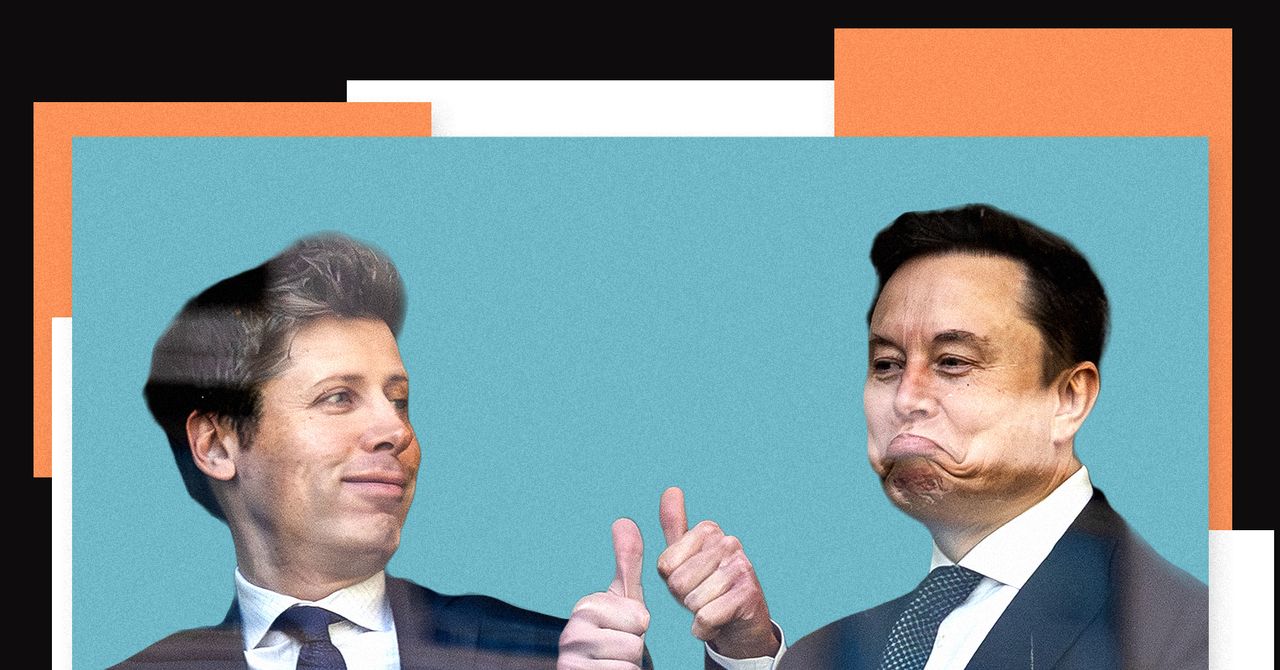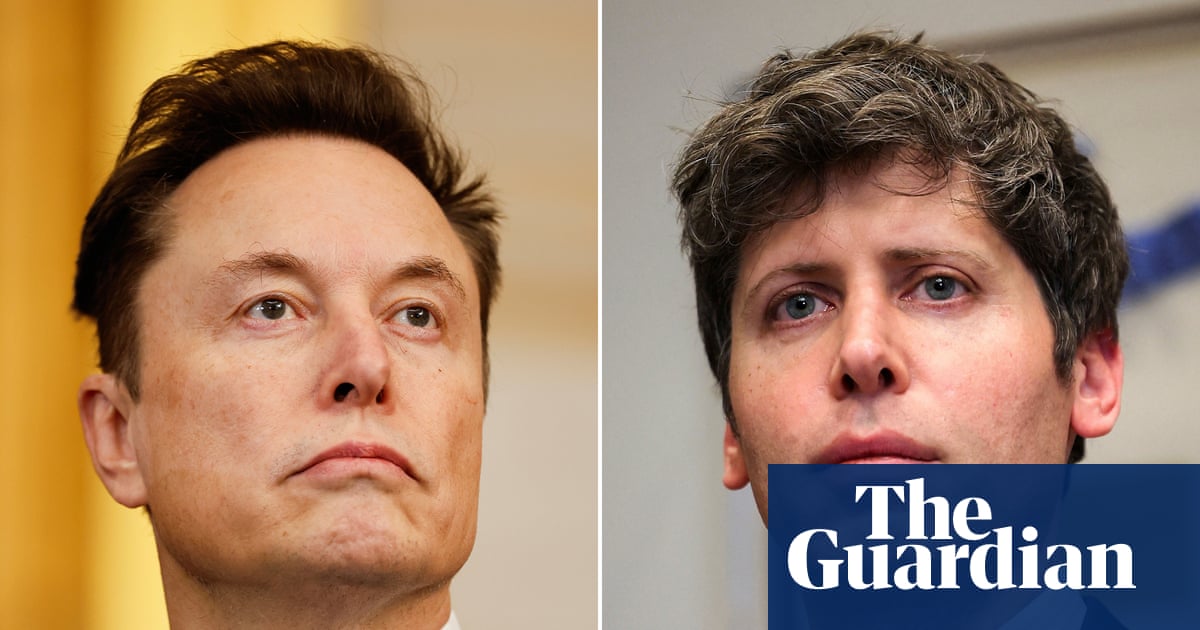
Could your most ambitious legal gambit be sunk by a calendar? That’s the unvarnished reality Elon Musk faced this week in Oakland, California. A federal jury, with almost astonishing alacrity, tossed out every single claim in Musk’s sprawling lawsuit against OpenAI, Sam Altman, Greg Brockman, and Microsoft. The verdict: unanimous, swift, and brutal. The reason? Statute of limitations. They simply filed too late. Deliberations began at 8:30 AM and concluded before most of us had even finished our first cup of coffee, around 10:23 AM.
The fallout is significant. Musk had sought a cool $130 billion for OpenAI’s nonprofit arm, the ouster of current leadership, and a complete unraveling of the for-profit entity that has propelled OpenAI to an $852 billion valuation. But none of that mattered. The jury never even had to grapple with the core accusation – whether Altman and Brockman had betrayed OpenAI’s founding principles. It all came down to timing.
Did Musk Know Sooner?
The linchpin of the legal strategy, as laid out by Musk’s team, was a belief that reassurances from Altman had lulled him into inaction, and that Microsoft’s massive 2023 investment was the final straw. He testified that this funding marked the moment he felt the nonprofit’s soul had been “stolen.” California law, however, offers a strict three-year window for charitable trust claims and a two-year window for unjust enrichment. OpenAI’s defense, bolstered by Judge Yvonne Gonzalez Rogers’ immediate acceptance of the verdict, pointed to substantial evidence suggesting Musk was aware of, and even advocated for, a for-profit pivot as early as 2017. The existence of a company registered via his family office, intended to mirror a for-profit OpenAI, reportedly played a key role.
“There’s a substantial amount of evidence to support the jury’s finding, which is why I was prepared to dismiss on the spot,” Judge Gonzalez Rogers stated, underscoring the factual basis of the jury’s decision. This factual determination makes an appeal a steep climb for Musk’s legal team.
The Market Moves On
This verdict is far more than a legal footnote; it’s a critical de-risking event for OpenAI. The most prominent legal cloud hanging over the company’s ambitious restructuring into a public benefit corporation has now been decisively cleared. We’re talking about a company that recently closed a $122 billion funding round – $30 billion from Nvidia, $50 billion from Amazon, and $30 billion from SoftBank – pushing its valuation to a staggering $852 billion. The whispers of a Q4 2026 IPO remain, though PitchBook analysts suggest 2027 is a more realistic target, citing ongoing infrastructure commitments and cost structures.
Microsoft, a co-defendant for its alleged role in enabling the breach, also received a clean slate on identical statute of limitations grounds. OpenAI’s attorney, William Savitt, didn’t mince words, calling the lawsuit a “hypocritical attempt to sabotage a competitor.” It’s hard to argue with that assessment when the primary defense hinges on dates and timelines, not the substance of the alleged mission drift.
The absence of Musk, Altman, and Brockman from the courtroom for the verdict might signal a certain detachment, but the implications are anything but. This wasn’t just a disagreement over AI ethics; it was a high-stakes legal battle where the clock, not the conscience, ultimately decided the victor. The trial, which featured testimony from tech titans like Ilya Sutskever, painted a vivid picture of the internal conflicts and the intense pressures shaping the leading edge of artificial intelligence development. The sheer volume of evidence – private emails, texts, internal notes – highlights the messy, human drama behind the polished corporate facade.
Why This Matters for OpenAI’s Future
This legal resolution significantly smooths the path for OpenAI’s ongoing transition. With the threat of a multi-billion dollar lawsuit vanquished, the company can focus its considerable resources on product development, scaling its operations, and preparing for its eventual public offering. The market’s reaction, reflected in recent funding rounds and valuation, suggests a strong belief in OpenAI’s trajectory. The jury’s decision validates the current leadership and their strategic direction, at least from a legal standpoint. It provides a much-needed layer of stability as they navigate the complex path towards becoming a publicly traded entity, all while continuing to push the boundaries of AI.
🧬 Related Insights
- Read more: Meta’s Muse Spark: The $14.3B Closed-Source Pivot That Crushed Its Open AI Dreams
- Read more:
Frequently Asked Questions
What was Elon Musk suing OpenAI for? Elon Musk sued OpenAI, Sam Altman, Greg Brockman, and Microsoft, seeking around $130 billion in damages, the removal of leadership, and the dismantling of OpenAI’s for-profit entity, alleging a breach of its original nonprofit mission.
Why did the jury reject Elon Musk’s lawsuit? The federal jury unanimously rejected all claims, ruling that Musk’s lawsuit was filed too late and was therefore barred by the statute of limitations.
Will OpenAI go public after this lawsuit ruling? The verdict removes a major legal obstacle, allowing OpenAI to proceed with its restructuring and preparations for a potential IPO, though timelines may still be subject to market conditions and internal development.