Sam Altman Wins Big: Jury Sides with OpenAI Leadership Against Musk
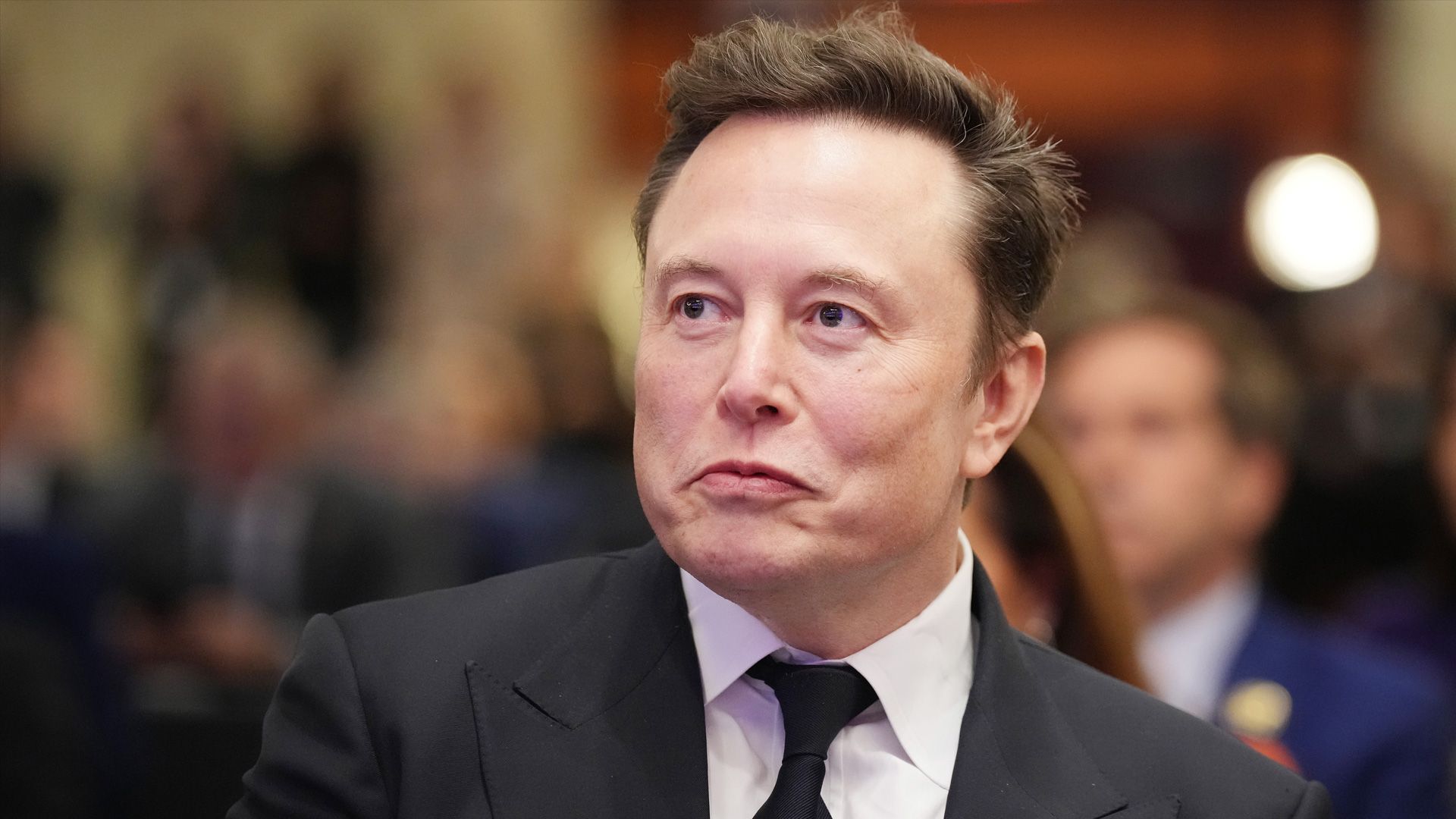
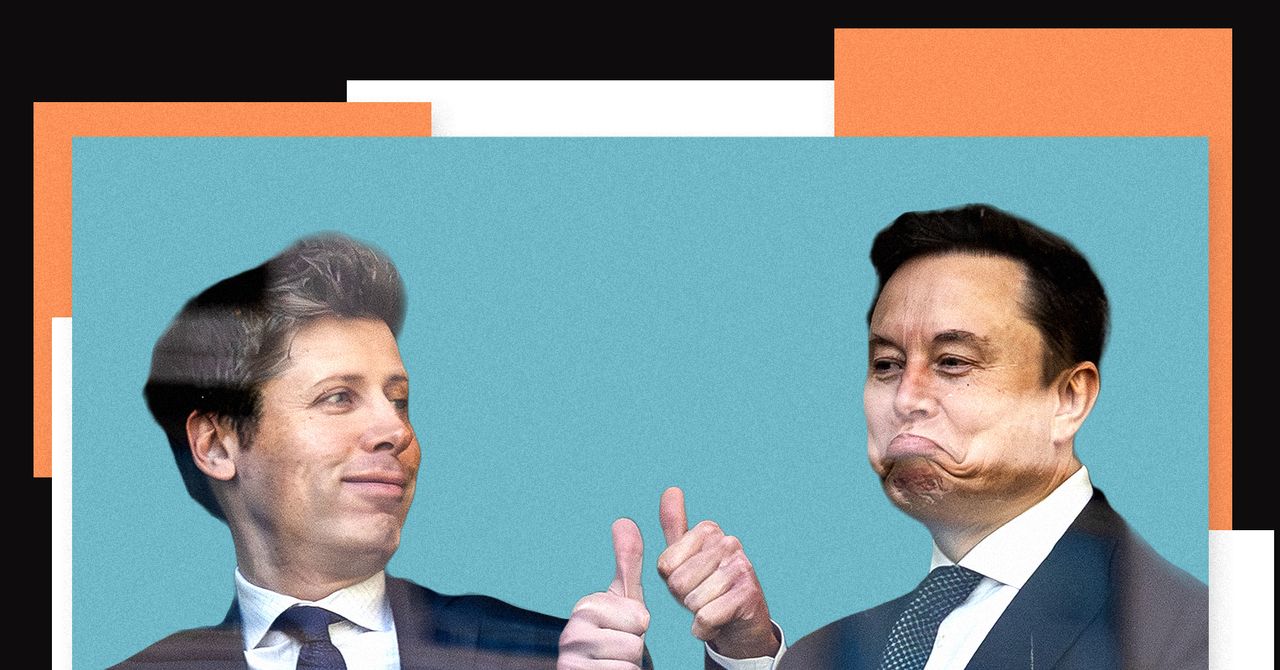
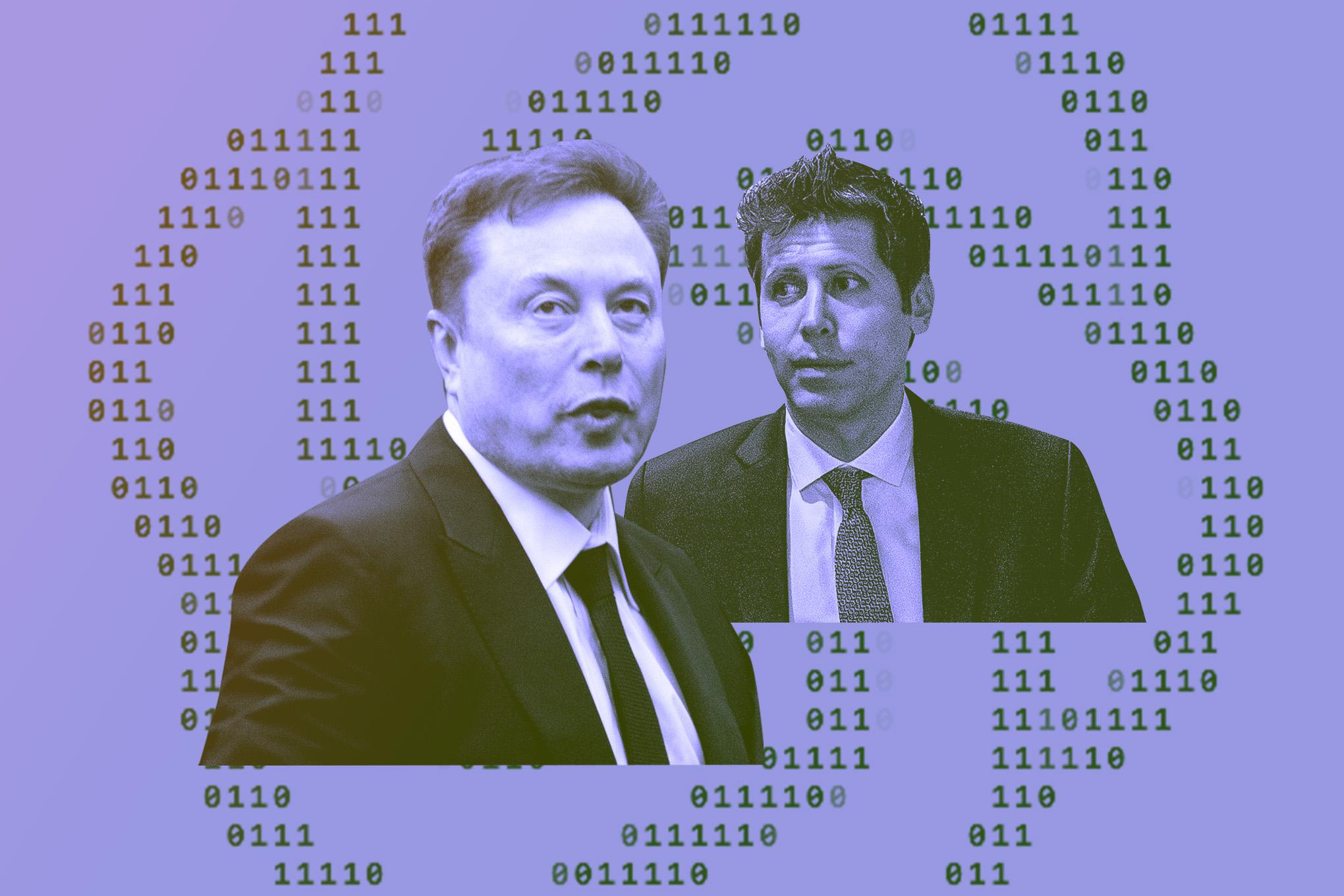
Here’s the kicker: A federal jury just handed Sam Altman and Greg Brockman a sweeping victory in their legal showdown with Elon Musk. The verdict? Not liable. This isn’t just a win for OpenAI’s current leadership; it’s a seismic validation of their path forward in the wild west of artificial intelligence development.
This whole saga, unfolding over three weeks in Oakland, felt less like a courtroom proceeding and more like a reality show drama starring Silicon Valley titans. We’re talking about depositions from Musk himself, Altman, Brockman, and even Microsoft’s Satya Nadella. It was a peek behind the curtain of OpenAI’s famously fractious early days, a fight that dug into the very soul of the company’s founding mission.
Musk’s central argument? That Altman and Brockman had perverted OpenAI’s original non-profit mandate into a personal piggy bank, essentially swindling him out of his initial investment and vision. He wanted a colossal $134 billion redistributed and for the current leadership to be ousted, demanding a reversal of the company’s profitable pivot. It was a charge of betrayal, painting Altman as a snake who’d “stole a charity.”
But the jury, after hearing days of testimony and poring over texts and emails that probably made everyone involved squirm, said “no.” They found no unjust enrichment, no broken contracts. The judge, Yvonne Gonzalez Rogers, has already indicated she’ll follow the jury’s advisory opinion, essentially rubber-stamping this outcome. It’s a stark rebuke to Musk’s narrative.
The ‘Mission’ Under the Microscope
At its heart, this case was a philosophical battleground. Musk envisioned OpenAI as a pure altruistic endeavor, a bulwark against AI’s potential dangers. Altman and Brockman, however, navigated the treacherous waters of AI development, recognizing the colossal financial and computational resources required. Their argument, effectively, was that you can’t build the future of AI for humanity on good intentions alone. You need funding. You need infrastructure. You need, dare I say it, profit.
OpenAI’s defense hammered home that Musk was fully aware of the plans to introduce a for-profit arm. They painted his lawsuit as sour grapes, a reaction to being sidelined after a failed power grab in 2018. And through it all, the company has insisted it remains tethered to its core “mission” – using AI to benefit humankind. This verdict suggests the jury bought that argument.
Is This the End of the Non-Profit Dream?
This entire trial, frankly, felt like a distraction from the real work of building AI. While Musk was busy playing lawyer, Altman’s OpenAI has been churning out models that are reshaping industries. The jury’s decision doesn’t just clear their names; it unleashes them. Imagine a race car driver being held up in the pits arguing about the color of the car while everyone else is speeding down the track. That’s what this felt like. The tech world doesn’t have time for these internal squabbles when the foundational shifts are happening now.
This ruling is more than just a legal victory; it’s a decisive signal that the future of AI, in the eyes of many, requires a pragmatic, even capitalist, approach. It’s a nod to the idea that to safeguard humanity with AI, you first have to build it – and building cutting-edge AI requires massive, sustained investment. The jury’s decision allows Altman and his team to keep their foot firmly on the accelerator, pursuing their vision of AI’s potential, unburdened by the ghosts of its founding intentions. It’s an evolution, not a betrayal. And frankly, it’s about time we let them get back to building.
The jury’s finding is a non-binding, advisory verdict that leaves Judge Yvonne Gonzalez Rogers with ultimate power to issue her own ruling in the case, which is expected to align with the jury’s findings. Gonzalez Rogers immediately said that she would agree with the jury’s decision.
This is what happens when you fuse the ambitious (and sometimes wildly idealistic) founding principles of Silicon Valley with the brutal realities of technological advancement and market forces. It’s a messy, complicated dance, and this verdict has momentarily settled the music. What comes next for OpenAI, and for the broader AI landscape, is now clearer, and frankly, more exciting than ever.
🧬 Related Insights
- Read more: FrostArmada’s Fall: How Cops Crushed Russia’s Router Spy Network Targeting Microsoft Logins
- Read more: The Invisible Machinery: System Design Components That Make Amazon Fly
Frequently Asked Questions
What was Elon Musk suing OpenAI for? Elon Musk sued OpenAI, alleging that Sam Altman and Greg Brockman had unjustly enriched themselves and broken founding agreements by restructuring OpenAI into a for-profit entity, deviating from its original non-profit mission.
What was the jury’s decision? The jury ruled in favor of Sam Altman and Greg Brockman, finding them not liable for unjust enrichment or breach of contract. This verdict is expected to be adopted by the judge.
Does this mean OpenAI is no longer a non-profit? While OpenAI began as a non-profit, it restructured to include a for-profit arm. The jury’s decision validates this structure and leadership’s direction, indicating that the company’s mission to benefit humanity can coexist with its commercial operations.