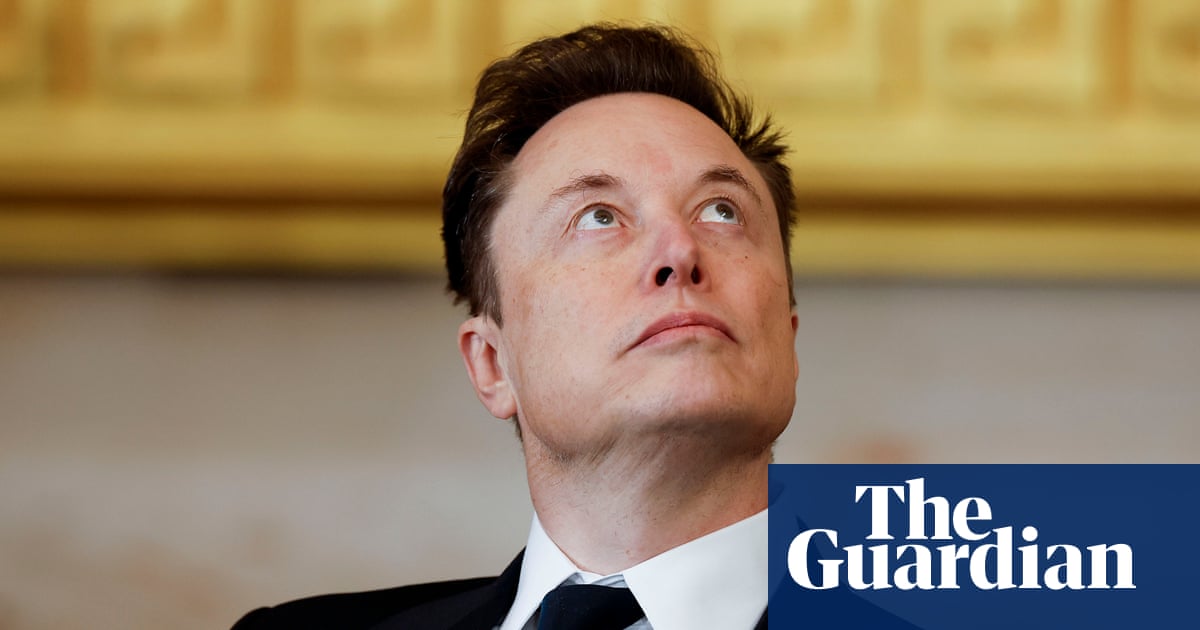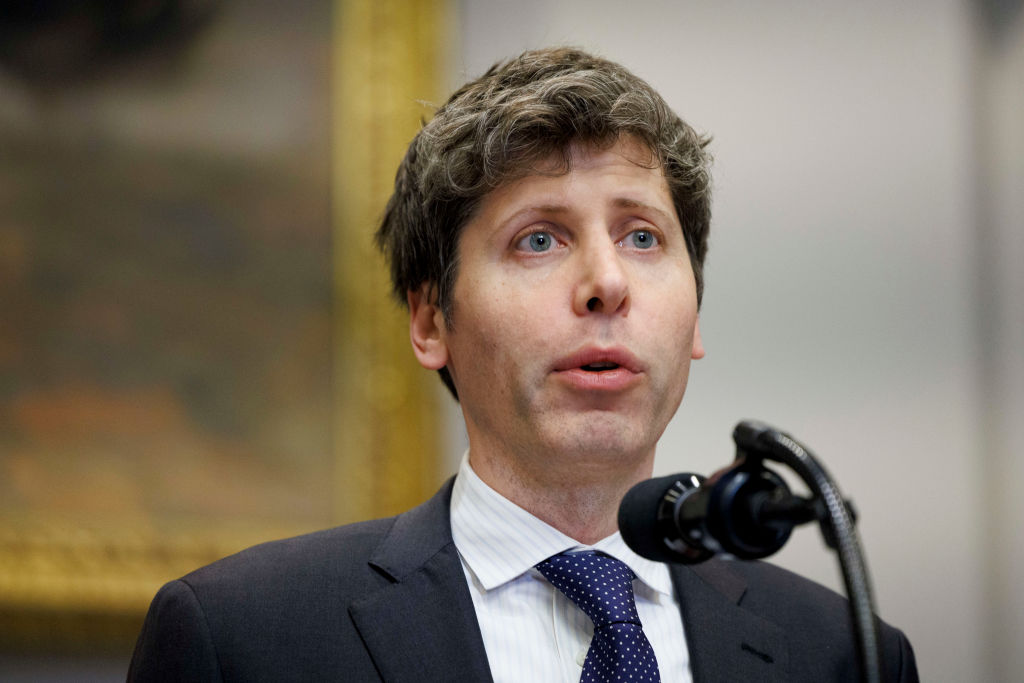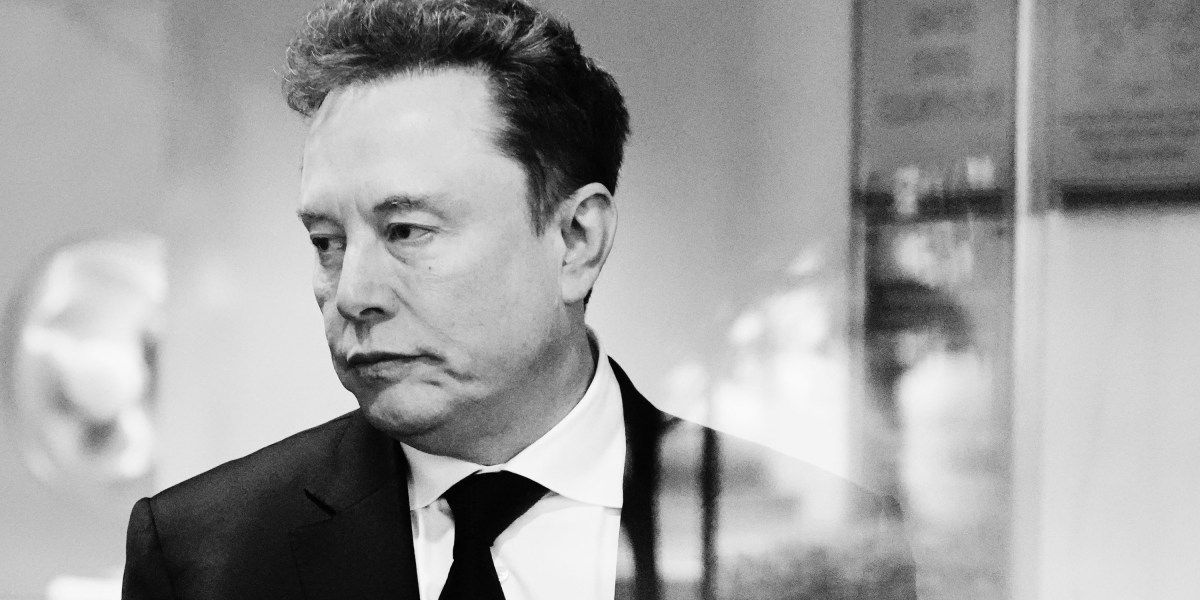
A crisp black suit. A hushed courtroom. This is where the future of artificial intelligence is being warred over, not in some sterile server farm, but in a very human drama starring Elon Musk and OpenAI.
It’s week one of the colossal showdown, and Musk, the titan of electric cars and rockets, is dropping bombshells. He’s accusing OpenAI’s Sam Altman and Greg Brockman of pulling a fast one, duping him into bankrolling a company that, in his view, has strayed miles from its benevolent origins. And, oh yeah, he’s warning that AI could, you know, end us all. Because of course he is. This isn’t just about money; it’s about the very soul of AI development.
The Founding Dream vs. The For-Profit Reality
Musk’s narrative paints a picture of a naive benefactor, a fool, as he puts it, who thought he was nurturing a nonprofit dedicated to humanity’s well-being. He poured $38 million into what he believed was a noble cause, only to see it morph into an $800 billion behemoth. “I was a fool who provided them free funding to create a startup,” he declared from the stand, a statement that hung heavy in the air.
His legal team is aiming to oust Altman and Brockman and dismantle the corporate structure that birthed OpenAI’s for-profit ambitions. This isn’t just a boardroom squabble; it’s a potential earthquake that could send shockwaves through OpenAI’s much-anticipated IPO, a company reportedly valued near a trillion dollars. Meanwhile, Musk’s own AI venture, xAI, is slated to go public, tucked inside SpaceX, with a staggering $1.75 trillion valuation target. Talk about high stakes.
Who Guards the Guardians?
The core of the trial revolves around a single, vital question: why is Musk suing? He posits that he’s a knight errant, trying to steer OpenAI back to its original mission of safe AI development. OpenAI’s legal counsel, however, paints a different picture – one of a disgruntled competitor whose ego is bruised, not an AI safety evangelist. They argue Musk was never truly committed to the nonprofit ethos, and his lawsuit is merely an attempt to cripple a rival.
Musk’s past pronouncements on AI safety are being dissected like ancient texts. He positions himself as the early alarm-raiser, the one who saw the existential threat lurking behind Google’s AI prowess. He famously asked Google co-founder Larry Page about AI’s potential to wipe out humanity, only to be met with an unnerving, “That will be fine as long as artificial intelligence survives.” A chill, right?
“The worst-case scenario is a Terminator situation where AI kills us all,” Musk later told the jury.
But here’s the twist, the bit that makes this a true tech opera: OpenAI’s lawyers are pointing out the hypocrisy. They highlight xAI’s lawsuit against Colorado over an AI law designed to prevent discrimination. How can you champion AI regulation when your own company is fighting it? The courtroom became a battleground, with lawyers and even the judge sparring over who truly has humanity’s best interests at heart. The judge’s stern words about putting humanity’s future in Musk’s hands? Ouch.
The xAI Revelation: A Trojan Horse?
Now, for the real jaw-dropper, the nugget that had audible gasps echoing through the hallowed halls of justice. Musk, the man supposedly so concerned about AI safety and so eager to break free from OpenAI’s perceived betrayal, confessed that his own AI company, xAI, the creator of Grok, is actually using OpenAI’s models to train its own. Yes, you read that right. The very company he’s suing is providing the foundational building blocks for his own AI ambitions. It’s like suing your landlord for faulty wiring while secretly plugging your toaster into their circuit breaker.
This revelation throws a grenade into the carefully constructed narrative. It suggests that Musk wasn’t just being duped; he was perhaps being opportunistic, leveraging the very technology he now decries. His “three phases” of confidence loss – from enthusiastic support to doubt to outright conviction of “looting the nonprofit” – suddenly feel a lot more complicated.
He even discussed, back in 2017, the idea of a for-profit subsidiary, wanting majority control and board seats. He even floated the idea of Tesla acquiring OpenAI. This isn’t the simple tale of a naive idealist betrayed; it’s a tangled web of ambition, ideology, and perhaps, a dash of strategic opportunism.
What does this mean for the future? The implications are seismic. If Musk wins, it could fundamentally alter the landscape of AI development, potentially fragmenting the field and slowing down progress. If OpenAI prevails, it signals a victory for its current model of rapid development and commercialization, perhaps at the expense of the very safety concerns Musk champions. This trial is more than just a legal battle; it’s a referendum on how we build the intelligence that will shape our destiny. And the secret ingredient in xAI’s secret sauce? It appears to be a generous dollop of OpenAI’s own secret sauce.
Is Musk’s AI Safety Stance Genuine?
Musk’s courtroom testimony paints a picture of a man deeply concerned about the existential risks of artificial intelligence, even drawing parallels to the Terminator franchise. He claims his founding of OpenAI was a direct response to the perceived unchecked ambition of Google, aiming to create a counterbalance for humanity’s sake. However, his own company, xAI, has faced scrutiny. The lawsuit against Colorado over AI regulations designed to prevent algorithmic discrimination raises questions about the practical application of his safety ideals. Is this a case of wanting strict oversight for competitors while seeking flexibility for his own ventures, or is there a nuanced understanding of AI safety that allows for different approaches depending on context? The legal and public debate on this point is far from settled.
Why is xAI Using OpenAI Models?
This is the million-dollar (or rather, multi-trillion-dollar) question that emerged from the trial. Despite his public accusations and legal action against OpenAI, Elon Musk admitted that his own AI company, xAI, utilizes OpenAI’s models for training. The rationale behind this strategic move, given the ongoing litigation, is complex. It could indicate a pragmatic approach to accelerating development by leveraging existing, powerful architectures while Musk pursues his legal and strategic goals. Alternatively, it might suggest that even with his criticisms, he acknowledges the quality and effectiveness of OpenAI’s foundational technology. This symbiotic, yet adversarial, relationship highlights the highly competitive and collaborative nature of the AI research landscape, where even rivals may rely on each other’s breakthroughs to advance their own agendas.
🧬 Related Insights
- Read more: HappyHorse’s 1333 Elo Blitz: The Pony That’s Privatizing Text-to-Video Forever
- Read more: HN Exposes Cloudflare Hypocrisy in EU Software Directory—Then the Real Fix
Frequently Asked Questions
What is Elon Musk suing OpenAI for?
Elon Musk is suing OpenAI, alleging that its leaders, Sam Altman and Greg Brockman, deceived him into bankrolling the company and that OpenAI has deviated from its original mission of developing AI for the benefit of humanity, instead prioritizing profit.
What is xAI?
xAI is Elon Musk’s artificial intelligence company, responsible for developing the chatbot Grok. It is positioned as a competitor in the AI development space.
Did Elon Musk admit xAI uses OpenAI models?
Yes, during his testimony, Elon Musk confessed that his company, xAI, uses OpenAI’s models to train its own AI systems.