Intel CEO Lip-Bu Tan is slated to take the stage at Computex 2026, but the company isn’t waiting for the spotlight to drop its first drops. Forget the usual CES fanfare; this time, the real action is unfolding in Taipei, and the initial reveals offer a fascinating glimpse into Intel’s strategy—a strategy that’s increasingly weaving together consumer-facing innovation with the bedrock of its manufacturing prowess.
Here’s the thing: Intel dropped two rather significant bombs before the main event even kicked off. First, there’s the consumer-adjacent Arc G3 platform. This isn’t just another incremental chip update; it’s a clear signal that Intel wants a serious slice of the handheld gaming pie. We’re already seeing devices from Acer, MSI, and OneXPlayer rocking these new chips, suggesting a concerted effort to challenge established players. The promise of Panther Lake chips powering these portable powerhouses earlier in the year has now materialized, and the industry will be watching closely to see if these Arc G3-equipped machines can deliver the performance consumers expect.
The 18A Process: A Bet on the Future of Data Centers
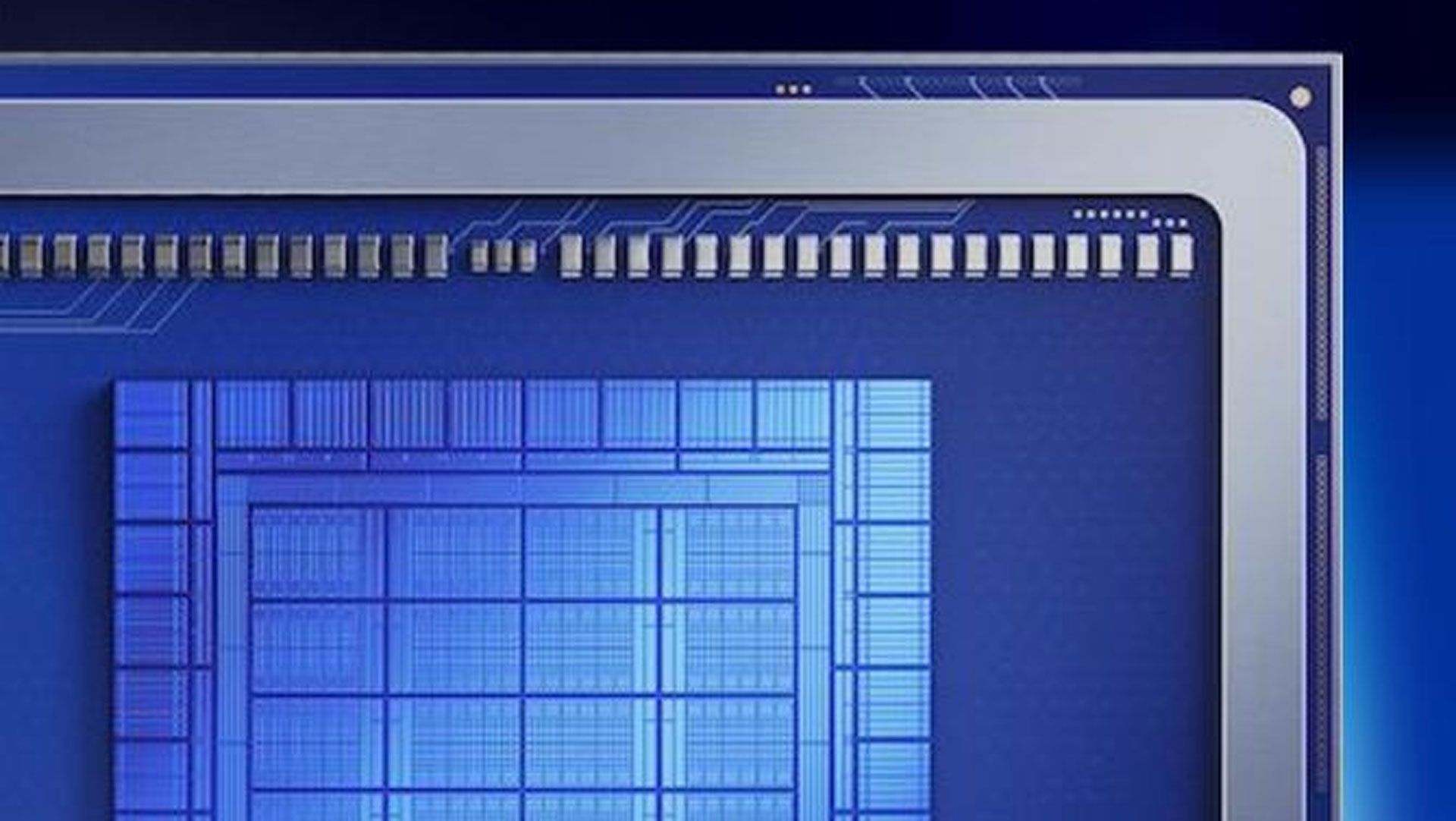
But the really weighty stuff, the kind that underpins entire industries, comes from the data center. Intel confirmed that its next-generation Xeon 7 ‘Diamond Rapids’ CPUs are slated for a 2027 launch, and they’re set to be built on the Intel 18A process. This isn’t just about faster chips; it’s about control over the manufacturing stack, a critical move in an era where supply chain resilience and technological leadership are paramount. The Intel 18A process represents a significant technological leap, and its adoption for high-performance server CPUs signifies a deep commitment to pushing the boundaries of silicon fabrication.
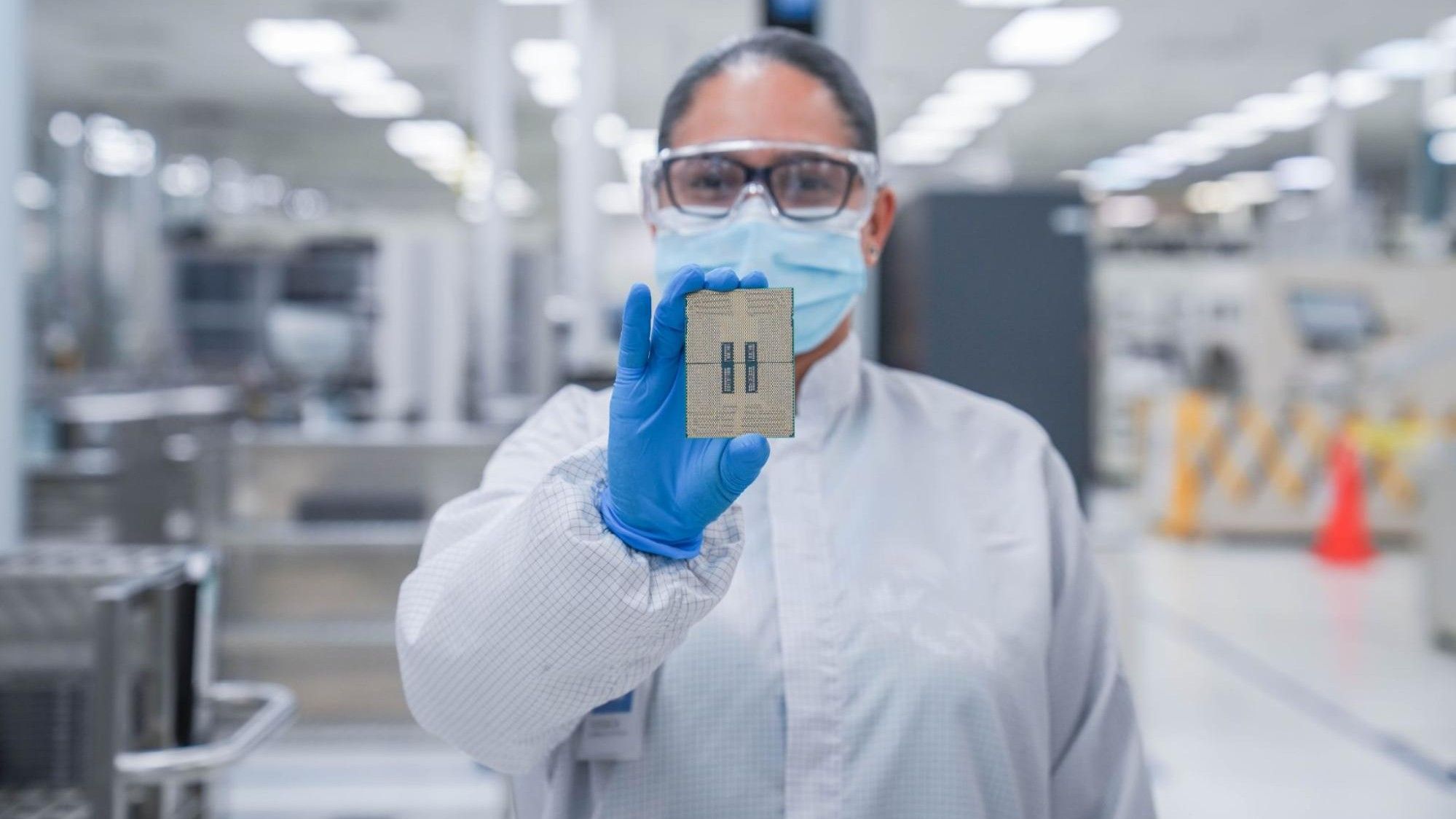
Before Diamond Rapids makes its debut, however, we’ll see Intel’s E-core-only Xeon 6+ CPUs, codenamed ‘Clearwater Forest.’ These chips will be the first data center CPUs from Intel to utilize the 18A process. Think of this as a staggered rollout, a way to validate and refine the new manufacturing technology in a demanding, albeit slightly less performance-critical, segment before unleashing it on the flagship server market. It’s a calculated risk, but one that speaks to Intel’s determination to regain its footing in the process technology race.
Is Intel Back in the Process Race?
For years, Intel has grappled with manufacturing delays and the specter of competitors like TSMC pulling ahead. The emphasis on Intel 18A for both consumer-adjacent handhelds and, more importantly, for its 2027 data center CPUs, suggests a renewed confidence. It’s a bold play. The company is betting heavily on its ability to execute on this advanced node, and if successful, it could fundamentally alter the competitive landscape. We’re talking about Intel not just designing chips, but dictating the terms of their production with a degree of self-sufficiency it hasn’t enjoyed in some time. This dual-pronged announcement—consumer tech and advanced manufacturing—is a far cry from the incremental updates of yesteryear. It’s a statement of intent.
Intel has more announcements in the data center, including a confirmation that next-gen Xeon 7 ‘Diamond Rapids’ CPUs will launch in 2027 on the Intel 18A process.
The strategic implications here are vast. By developing its own advanced manufacturing process (Intel 18A) and then applying it to key product lines like the future Xeon 7 processors, Intel is attempting to reclaim a narrative of technological leadership. This isn’t just about making better chips; it’s about building a more resilient and advanced internal manufacturing capability that can serve as a competitive moat. It’s a bet on vertical integration in a world increasingly defined by specialization, and if it pays off, it could significantly insulate Intel from the vagaries of external foundry supply chains. The handheld push, while perhaps more visible to the average consumer, feels like a complementary piece, a way to showcase raw silicon capabilities in a more accessible format while the real long-term bets are being placed in the server farm.
Looking Ahead: What Computex 2026 Means
Computex has often been a stage for Intel to showcase its latest silicon. This year, however, the narrative feels different. It’s less about simply announcing a new generation of processors and more about articulating a vision for its integrated hardware and manufacturing future. The Arc G3 platform for handhelds indicates a willingness to explore new consumer markets, while the commitment to the Intel 18A process for future data center titans underscores a deep-seated ambition to lead in the core infrastructure of computing. The next few years will be a critical test for Intel’s execution, but the signals emanating from Computex 2026 are undeniably ambitious.
🧬 Related Insights
- Read more: GPT-5.4 Grabs the Mouse: Agents Rewrite Desktop Work
- Read more: Walmart’s CareCredit Gamble: Financing Your Treadmill and Crutches Online
Frequently Asked Questions
What are the key takeaways from Intel’s Computex 2026 announcements? Intel unveiled its Arc G3 platform for handheld devices and confirmed that next-gen Xeon 7 ‘Diamond Rapids’ CPUs will launch in 2027 using the Intel 18A manufacturing process.
When will Intel’s new Xeon 7 CPUs be released? The next-generation Intel Xeon 7 ‘Diamond Rapids’ CPUs are scheduled for a 2027 launch.
What is the Intel 18A process? Intel 18A is an advanced manufacturing process technology developed by Intel, and it will be used for their upcoming Xeon 7 CPUs and is also underpinning the new Arc G3 platform.