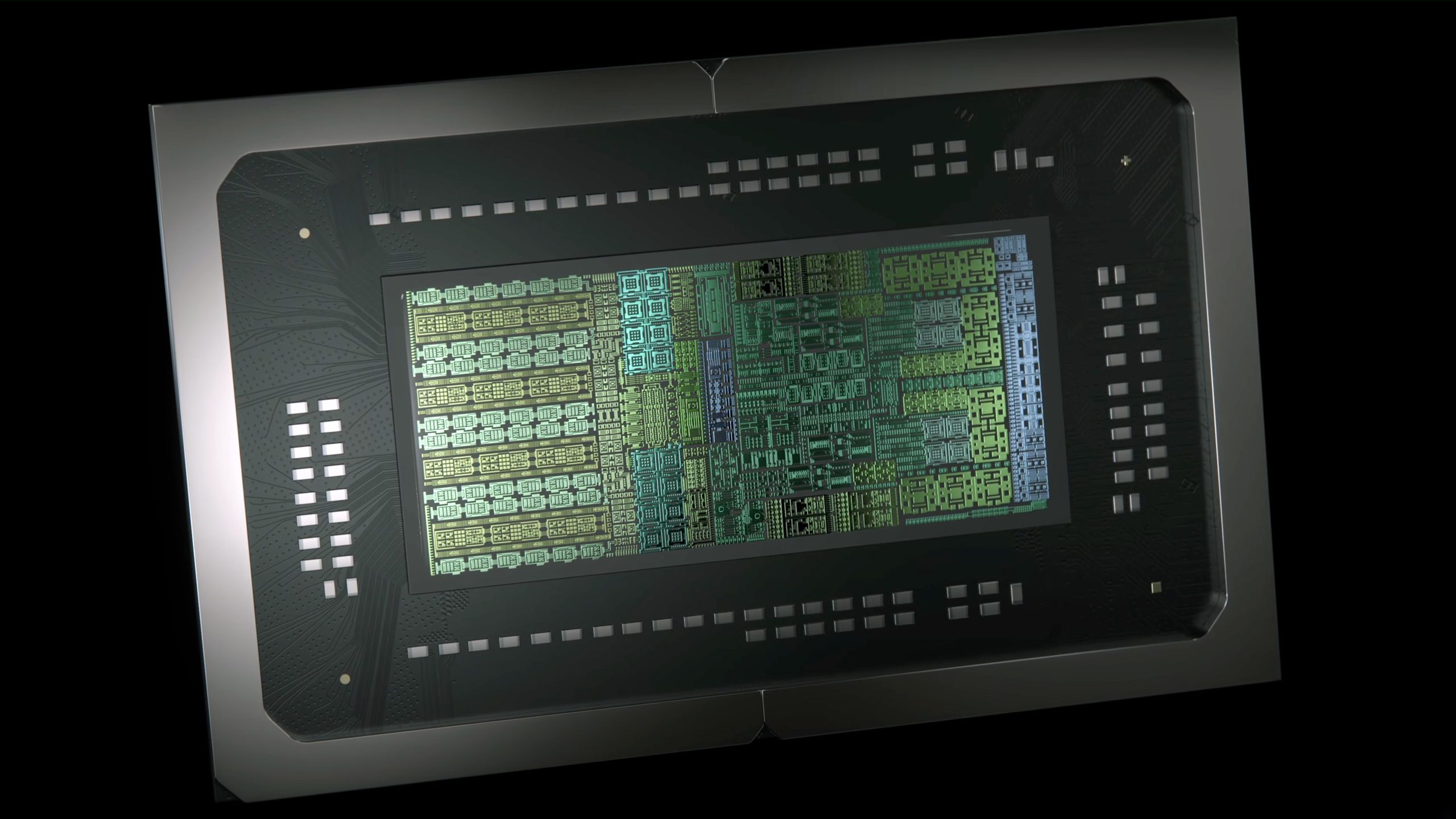
A staggering 6,144 CUDA cores packed into a laptop chip. That’s not just a headline; it’s a data point that forces you to recalibrate your understanding of what’s possible in a portable computing device. Nvidia’s long-awaited N1 and N1X System-on-Chips (SoCs), slated for a Computex debut, are starting to reveal their secrets, and the implications for the PC landscape are, frankly, immense.
This isn’t Nvidia dipping a toe back into the ARM pool; this is a full-blown cannonball. The leaks, courtesy of Videocardz and stemming from documents that reportedly date back to early 2024, paint a picture of highly capable silicon designed to compete head-on with Apple’s M-series, Intel’s Core Ultra, and AMD’s Ryzen lineups. The dual-tier approach—the standard N1 and the beefier N1X—suggests a strategic play to capture different segments of the market, from premium ultraportables to workstation-class laptops.
The Architecture of Ambition: How the N1/N1X Stack Up
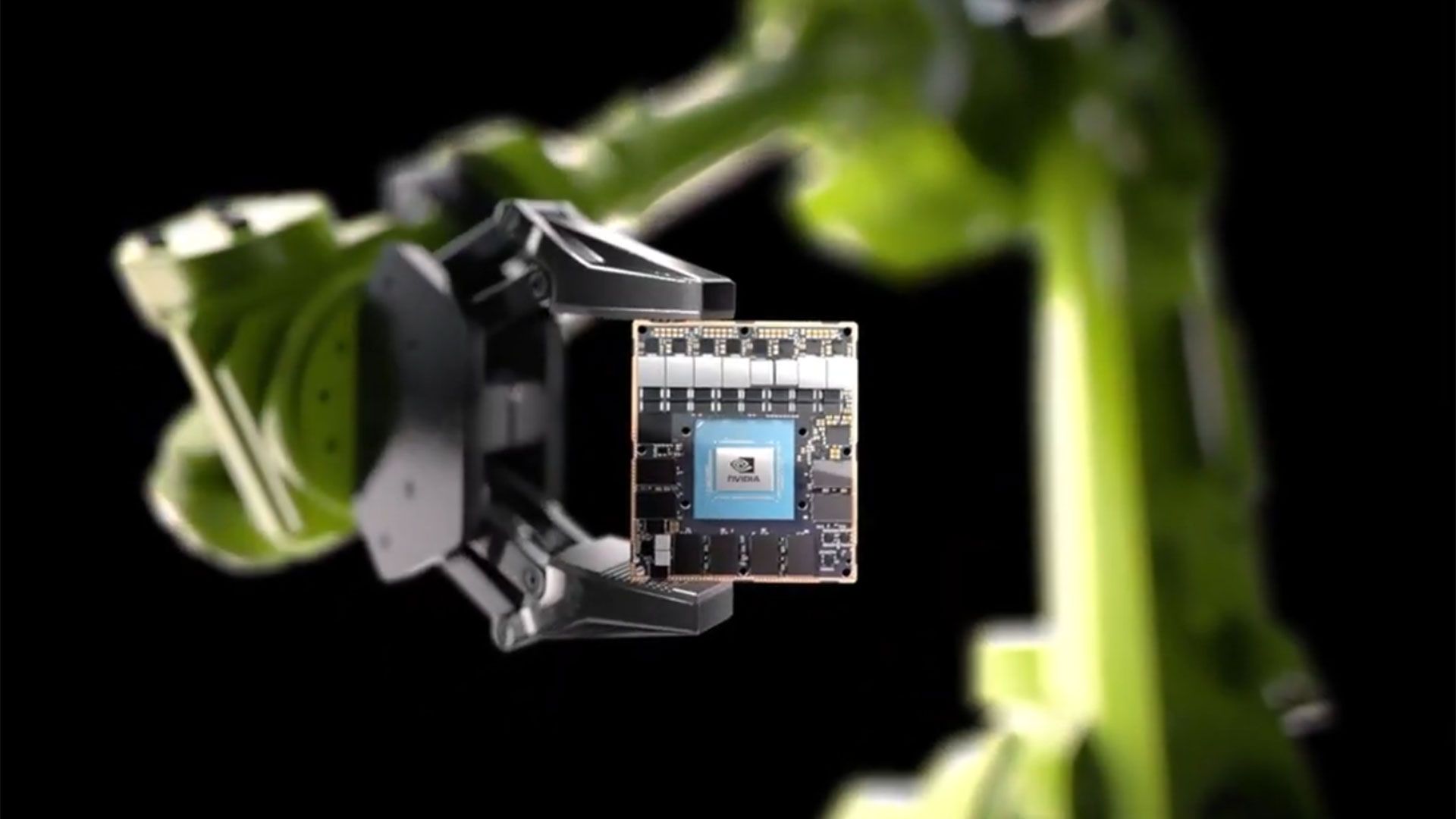
Let’s cut through the marketing fluff and get to the silicon. The N1X, in its top-tier configuration, appears to be a beast. We’re talking about a 20-core (10+10) setup that boasts an astonishing 6,144 CUDA cores. For context, that’s identical to the GPU found in Nvidia’s DGX Spark mini-PC and, as the leaks highlight, matches the raw compute power of the desktop RTX 5070. This isn’t just about integrated graphics; it’s about bringing serious graphical horsepower to devices that were previously constrained by power envelopes and thermal limits.
The standard N1, while less potent, is far from a slouch. It’s expected to arrive in 12-core (8+4) and 10-core (7+3) variants, featuring 2,560 and 2,048 CUDA cores respectively. These chips are clearly aimed at the thinner-and-lighter segment, with TDPs ranging from a mere 18W to 45W. But don’t let the lower TDP fool you; these are still substantial pieces of silicon, designed to offer a significant leap in performance over previous generations of integrated graphics.
Memory bandwidth is another area where Nvidia is making a statement. The N1X is slated to support up to 128GB of LPDDR5X memory across 16 channels, with whispers of speeds reaching 8,533 MT/s. If accurate, this would significantly outpace AMD’s current offerings, such as the Strix Halo, and position these Nvidia chips at the bleeding edge of mobile memory performance. The N1, meanwhile, will top out at 64GB across 8 channels, still a respectable amount for most high-end laptops.
Is Nvidia Finally Re-Entering the Laptop Wars?
This isn’t Nvidia’s first rodeo with ARM-based PC chips; they famously tried their hand back in 2011. But the market, the technology, and Nvidia itself are vastly different now. Back then, the ARM ecosystem for Windows was nascent, and the performance gap was considerable. Today, with Apple’s success with its M-series chips, the viability of ARM on laptops is undeniable. Nvidia isn’t just testing the waters; they’re bringing a fully realized vision, leveraging their deep expertise in GPU architecture and their experience with ARM through their embedded and automotive divisions.
The key differentiator here, of course, is the integrated GPU. While competitors often rely on integrated Intel Xe or AMD RDNA graphics, Nvidia’s N1 and N1X are built from the ground up with their own powerful GPU cores. This could translate into a significant advantage for gaming, content creation, and AI workloads directly on the laptop, without needing a discrete GPU for many tasks.
But here’s the crucial question: Will it matter?
“Nvidia would re-enter the laptop market, directly competing with AMD, Intel, and, of course, Apple. We say re-enter because the company already tried selling ARM-based PC chips back in 2011.”
The PR narrative will undoubtedly focus on the raw performance numbers and the potential for new form factors—handhelds, AI PCs, refreshed Shield TVs. And indeed, the possibilities are exciting. However, the real battle will be fought on price and ecosystem support. Nvidia’s past attempts in this space have faltered, not for lack of technical prowess, but often due to strategic missteps and an inability to build out a compelling software and OEM partnership network.
The leaked pricing suggests the N1X will likely target the premium segment, potentially exceeding $2,000, aiming directly at MacBook Pro territory. The N1, on the other hand, could represent an enticing midrange option, perhaps falling under the $1,500 mark. This pricing strategy, if accurate, could position Nvidia as a serious contender, offering a compelling blend of CPU and GPU performance that current offerings struggle to match at those price points.
One of the more fascinating architectural shifts here is the emphasis on a unified memory architecture, or at least a significantly more integrated approach. While the full details are still under wraps, the high memory speeds and channel counts suggest a design that aims to reduce latency and improve data throughput between the CPU and GPU. This is precisely the kind of architectural innovation that can unlock performance gains that raw clock speeds alone can’t achieve.
Look, the competitive landscape in the PC market has been stagnant for years, largely dominated by Intel and AMD, with Apple carving out its own high-performance niche. Nvidia’s entry, especially with a focus on high-performance integrated graphics, could inject much-needed competition and innovation. It forces everyone else to up their game, and that’s ultimately good for consumers. The question is whether Nvidia can execute on distribution, marketing, and OEM partnerships with the same ferocity they apply to chip design.
It’s a high-stakes gamble. The architecture is undeniably impressive, the potential is vast, and the competitive pressure is mounting. The next few months, as these chips hit the market and developers begin to explore their capabilities, will be critical in determining whether Nvidia’s latest ARM ambitions will soar or fall.