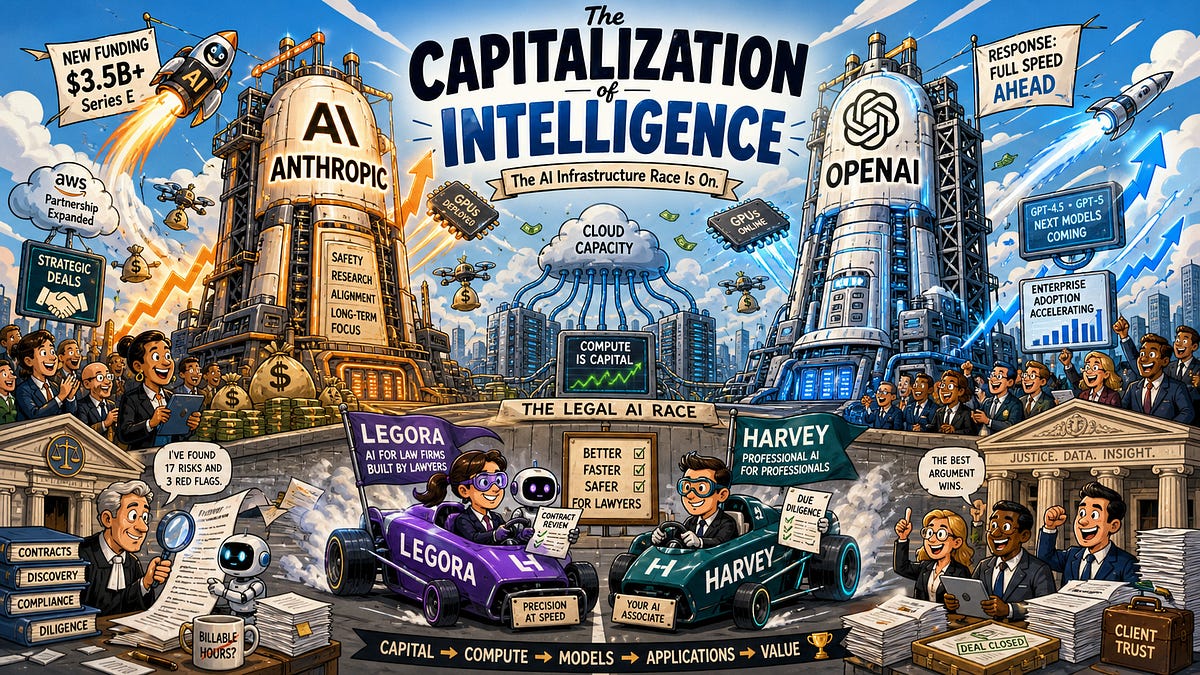
The ink is barely dry on Anthropic’s Monday announcement, but the ramifications are already rippling through the AI developer community. They’ve acquired Stainless, the very startup that’s been quietly powering the SDK generation for rivals like OpenAI and Google. This move is a masterclass in vertical integration, albeit one that leaves competitors scrambling for foundational tech.
The price tag, while undisclosed, is rumored to be north of $300 million, a hefty sum for a company founded in 2022. But consider what Stainless actually does. It takes API specifications and, voilà, spits out production-ready Software Development Kits (SDKs) in multiple languages. Think Python, TypeScript, Java—the works. For companies building complex AI agents, the kind that need to interface with an ever-expanding universe of external software, this isn’t just convenient; it’s essential. It eliminates the tedious, error-prone grunt work of manually keeping SDKs updated as APIs inevitably shift. And Stainless automated that.
A Competitive Edge, Served Cold
This isn’t about acquiring a few new engineers or a novel algorithm. This is about acquiring a critical piece of infrastructure. By bringing Stainless under its wing, Anthropic has effectively pulled a vital supply chain component out from under its most significant competitors. The company has signaled it will wind down hosted Stainless products, meaning the free-wheeling access developers at OpenAI, Google, and Cloudflare have enjoyed is over. They still own the SDKs they’ve generated, sure, but the ongoing development and maintenance infrastructure? That’s now Anthropic’s exclusive playground.
It’s a bold play. In an industry where speed and efficiency are paramount, removing a tool that accelerates development cycles — and doing so for your own benefit exclusively — creates a tangible, immediate advantage. The market for AI developer tools is already hyper-competitive, but this acquisition injects a new level of strategic scarcity.
Why This Deal Matters Beyond the Bottom Line
The narrative being spun is, predictably, about synergy and shared vision. Alex Rattray, Stainless’s founder, put it this way in the press release: “Anthropic was one of the first teams to bet on this with us. We have been watching what developers have built on Claude over the last few years, which made bringing our teams together an easy decision. The team gets to keep doing the work we love, on the platform where it matters most.” It’s polished, and likely true to a degree. Stainless has been an Anthropic customer since its early days. But let’s not mistake a mutually beneficial partnership for altruism. This is business. And for Anthropic, it’s very, very good business.
This acquisition underscores a broader trend: the increasing commoditization of foundational AI models. As more companies offer powerful language models, the true differentiator is shifting. It’s moving towards the surrounding ecosystem—the tools, the interfaces, the ability to smoothly integrate these models into real-world applications. By securing Stainless, Anthropic is reinforcing its position in that crucial latter category. They’re not just selling access to Claude; they’re building a more strong, more integrated development environment around it, effectively raising the barrier to entry for newcomers and making life a little harder for the incumbents.
We saw echoes of this strategy in the early days of cloud computing. Companies that offered not just raw compute but also managed databases, messaging queues, and developer-friendly APIs quickly outpaced those that only offered basic infrastructure. Anthropic is adopting a similar playbook. They’re looking beyond the core LLM and focusing on the critical connective tissue that makes these models useful. This acquisition is a clear signal that the race for AI dominance isn’t just about model size or training data anymore; it’s about who can build the most frictionless, efficient, and integrated developer experience.
What Does This Mean for the AI Ecosystem?
For OpenAI and Google, this is a wake-up call. They’ll need to either replicate Stainless’s functionality internally, a costly and time-consuming endeavor, or find alternative solutions. This could spur innovation in the open-source SDK generation space, or perhaps lead to other acquisitions as companies rush to fill the void. But for now, Anthropic holds a distinct advantage in this specific, yet critical, corner of the AI development toolchain. It’s a calculated move, one that demonstrates a keen understanding of market dynamics and a willingness to invest strategically in the future of AI infrastructure. Don’t expect a flurry of similar deals overnight, but do expect increased attention on the often-overlooked developer tools that underpin the AI revolution.
🧬 Related Insights
- Read more: M5 MacBook Air Drops to $949 One Month Post-Launch: Apple’s Aggressive Windows Play
- Read more: Why Your Legal AI Tool Isn’t Cutting Costs—And What Actually Works
Frequently Asked Questions
What is Stainless?
Stainless is a startup that developed software to automate the creation and maintenance of Software Development Kits (SDKs) used by developers to interact with APIs. Its tools became popular for streamlining the process of connecting different software services.
Will this affect my use of OpenAI or Google APIs?
If you are a developer using SDKs generated by Stainless for OpenAI or Google, you will still own and can modify your existing SDKs. However, future development and updates of these tools will now be managed by Anthropic, potentially impacting the availability of new features or support indirectly.
Why did Anthropic acquire Stainless?
Anthropic acquired Stainless to gain exclusive control over a critical developer tool that was widely used by its AI competitors, including OpenAI and Google. This move strengthens Anthropic’s infrastructure, provides a competitive advantage, and allows them to integrate the technology more deeply into their own platform.