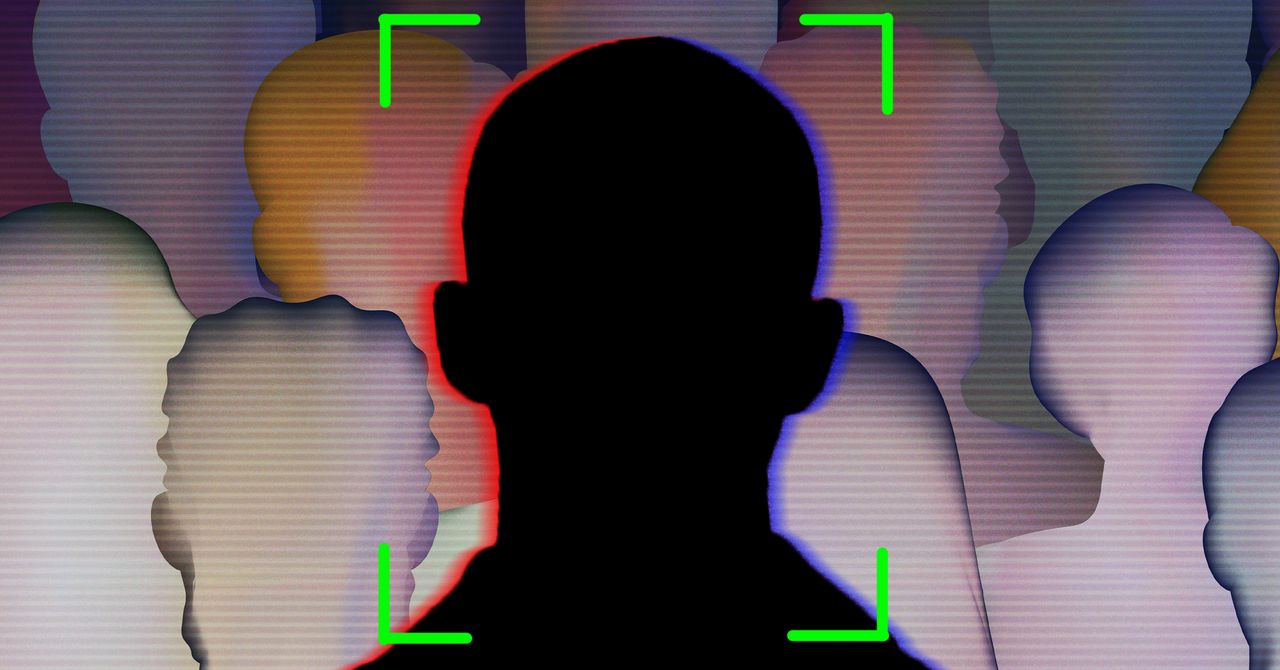
Forget the grand pronouncements about the future of AI. What does this mean for the bloke just trying to grab a pint or do his shopping? It means being scanned, analyzed, and potentially flagged by a machine as you walk down the street. That’s the quiet reality unfolding across the UK, where facial recognition technology is being bolted onto our public spaces with a speed that’s frankly terrifying, and as usual, the rules are struggling to keep up.
Advocates will tell you it’s a powerful tool, a modern-day Sherlock Holmes for the digital age. They say it catches criminals, stops shoplifters, and makes us safer. And sure, maybe it does, occasionally. But like so many shiny new toys Silicon Valley pushes, the real question is who profits, and at whose expense?
The Creeping Net
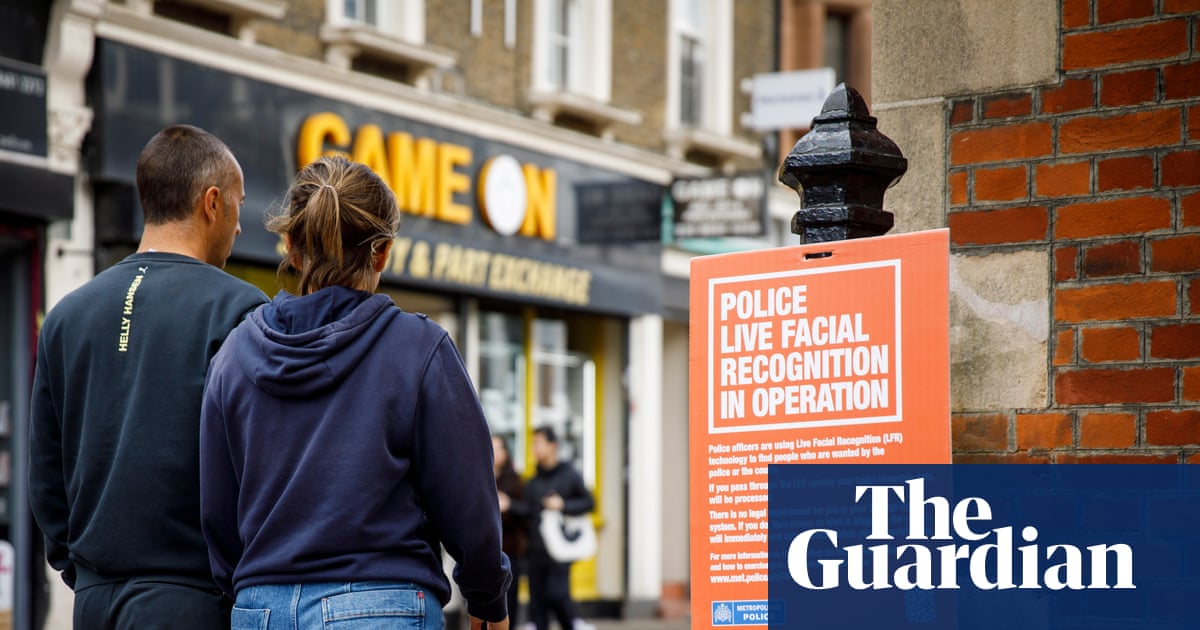
Robert Booth, the Guardian’s UK technology editor, witnessed it firsthand in Croydon. Police, armed with live facial recognition cameras, were essentially setting a digital trap. High above, cameras watched. Nearby, officers waited. A watchlist hit, an alert buzzes a phone, and suddenly, the net closes. It happens in seconds, a blur of motion that leaves the individual, often before they even know they’ve been identified, utterly bewildered. Booth described it as “like a trap snapping shut,” a stark image of technological power descending without warning.
This isn’t theoretical. The Met police in London scanned over 1.7 million faces this year alone. That’s up 87% from 2025. Eighty-seven percent. For something that’s supposed to be tightly regulated, that’s less ‘regulation’ and more ‘wild west’.
When the Algorithm Gets it Wrong
Here’s the rub: these systems aren’t perfect. Far from it. Take Ian Clayton, a retired health and safety professional. He was booted out of a store, labeled a thief by a system called Facewatch. His face, mistakenly flagged, turned him into a suspect. He described the experience as “very Orwellian,” feeling “guilty until proven innocent.” This isn’t a minor glitch; it’s a fundamental breach of due process, enabled by tech that’s too eager to play judge and jury. Booth himself acknowledges these are “straightforwardly difficult and wrong situations.”
Even if the tech improves, and the systems get better (a big ‘if’), a tiny error rate becomes a significant problem when you’re scanning millions of faces. It’s the cumulative effect that’s truly worrying – a constant, invisible layer of surveillance turning public spaces into a perpetual lineup.
Who’s Actually Paying?
So, who benefits from this rush to ubiquitous surveillance? Certainly, the companies selling these systems. Facewatch, for example, is already in use by retailers. Police forces are adopting it to beef up their capabilities. The government, ostensibly concerned with security, is likely signing off on much of this, eager for any tool that promises to reduce crime, regardless of the collateral damage.
But what about the public? The argument that “if you have nothing to hide, you have nothing to fear” is a tired deflection. It ignores the fundamental right to privacy, the chilling effect on free association, and the potential for these systems to be weaponized against marginalized communities or political dissent. It assumes a benevolent oversight that, in my two decades covering this beat, is rarely a given. This technology, like so many others, is being deployed because it can be, not necessarily because it should be.
We’re sleepwalking into a future where privacy is a quaint memory, replaced by the constant hum of machines watching our every move. And the rules? Well, they’re still playing catch-up, probably in a dimly lit server room somewhere, wondering how they let this happen.
“It was like a trap snapping shut. That kind of thing happening in the public sphere, enabled entirely by technology, feels quite new.”
Why Does This Matter for Everyone?
It’s easy to dismiss facial recognition as a tool for law enforcement or a solution for shoplifting. But its expansion hints at a deeper societal shift. When our faces become data points, constantly scanned and cross-referenced, the very nature of public space changes. Spontaneous gatherings, protests, or even just a casual stroll can become fraught with the risk of being flagged, documented, and potentially inconvenienced or worse, by an automated system.
This isn’t just about avoiding a fine or a wrongful arrest. It’s about maintaining the freedom to exist without constant digital scrutiny. It’s about ensuring that the tools designed to protect us don’t become instruments of control that erode the freedoms we take for granted. The UK’s rollout is a bellwether, a clear indication of where this technology is heading if unchecked.
🧬 Related Insights
- Read more: Why ‘AI’ and ‘Al’ Are Still Indistinguishable in Web Fonts – Even in 2026
- Read more: Git Over Jira: The Board That Syncs Humans and AI Agents Without the Bloat
Frequently Asked Questions
What is live facial recognition technology? Live facial recognition (LFR) systems scan faces from live camera feeds and compare them against databases or watchlists in real-time. If a match is found, it alerts law enforcement or security personnel.
Is facial recognition accurate? Accuracy varies significantly by system, lighting conditions, and the quality of the images. While it can be effective, studies and real-world incidents have shown significant error rates, leading to false positives and negatives.
What are the privacy concerns with facial recognition? Concerns include mass surveillance, the potential for misuse by authorities or private entities, data breaches, chilling effects on free speech and association, and the risk of false identifications leading to wrongful accusations or actions.