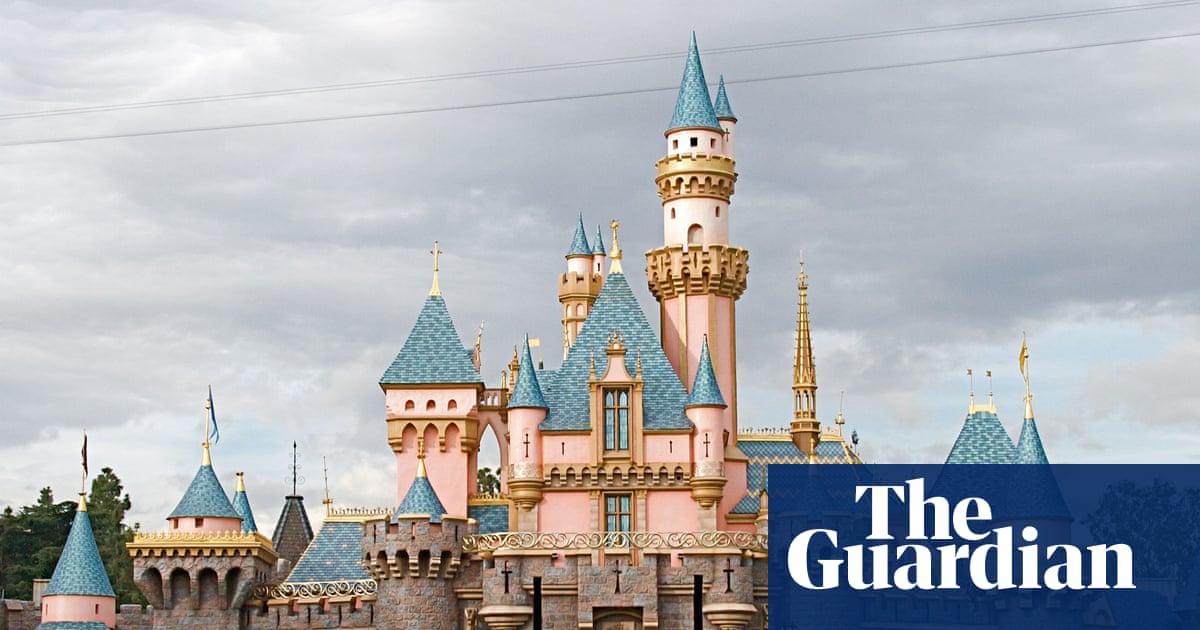
Does the prospect of a joyful day at Disneyland now come with the unsettling feeling of being permanently cataloged? Disney’s recent rollout of facial recognition technology at select park entrances begs this very question. Ostensibly, the tech aims to combat annual pass fraud and expedite re-entry. But in an era where our digital footprints are already vast, this move into tangible, biometric surveillance at a place synonymous with fantasy and escape feels, at best, disquieting.
The mechanics are straightforward, if unnerving. At designated lanes, cameras capture visitor images, which are then converted into unique numerical identifiers. Disney asserts this is to verify identity and prevent misuse of park passes. Guests, however, retain the option to bypass these lanes, a concession that feels less like a true opt-out and more like a gesture toward appeasing public unease.
Why the Privacy Panic Now?
This isn’t an isolated incident. Facial recognition is rapidly permeating various sectors, from law enforcement—often with documented issues of bias and wrongful arrests disproportionately affecting minority communities—to entertainment venues. Major League Baseball stadiums, for instance, are already experimenting with similar “go-ahead entry” systems where fans upload selfies for facial scans. Jay Stanley, a privacy expert at the ACLU, voiced a sentiment that echoes across these deployments: “People need to ask themselves whether they want to live in a world where their face is scanned at every turn.” That question is now squarely in front of Disney’s millions of annual visitors.
Disney, of course, claims it’s taking precautions. The company highlights its implementation of “technical, administrative and physical measures” to safeguard visitor data. Yet, even Disney acknowledges the inherent limitations: “no security measures are perfect or impenetrable.” This admission, buried on their website, is perhaps the most telling aspect. It’s a tacit acknowledgment that the data being collected—biometric data, no less—is valuable and, by extension, a target.
The Precedent of Pixie Dust and Pixels
This isn’t Disney’s first foray into biometric data collection. They’ve tested similar systems before, at Magic Kingdom and Disneyland itself. What’s different now is the broader societal context. We’re in the midst of a national debate, fueled by revelations about how private companies and government agencies alike are leveraging facial recognition. Meta’s reported plans for similar features on their smart glasses, and the prospect of these tools being used by Immigration and Customs Enforcement, paint a stark picture of a future where our faces become another data point, another vector for tracking and control.
The market dynamics here are also worth noting. Biometric technology, particularly facial recognition, is a booming industry. Companies are eager to find new applications, and theme parks, with their high volume of repeat visitors and need for security, represent fertile ground. The business case for Disney likely centers on reduced fraud and potentially enhanced personalized experiences down the line (though they haven’t explicitly stated the latter). But the cost of such efficiency—eroding public trust and normalizing mass surveillance—is a price tag that doesn’t appear on any balance sheet.
Here’s the thing: Disney has built an empire on creating magical experiences, on fostering a sense of escapism. Introducing technology that inherently commodifies and tracks individuals at the very threshold of that experience creates a cognitive dissonance that can’t be easily smoothed over with a cheerful greeting. It shifts the narrative from “happily ever after” to “who’s watching?”
It’s crucial to understand that the technology itself, while impressive, is secondary to its application. The core issue isn’t whether Disney can implement facial recognition; it’s whether they should, and what precedent this sets for an industry that has historically relied on creating a sense of wonder, not scrutiny.
So, when you consider your next trip to a Disney park, beyond the rides and the characters, ask yourself: are you entering a land of enchantment, or a data collection zone? The answer, increasingly, might be both.
Key Takeaways
- Disney has implemented facial recognition at some Disneyland entrances to combat fraud and streamline re-entry.
- Guests have the option to opt out of lanes equipped with the technology.
- Privacy advocates and experts express significant concerns about the normalization of pervasive surveillance.
- The move occurs amid broader national debates and scrutiny surrounding facial recognition technology’s ethical and societal implications.
FAQ
What does Disneyland’s facial recognition do? Disneyland uses cameras at select entrances to capture visitor images, which are converted into unique numerical values to verify identity and prevent annual pass sharing or fraud.
Do I have to use the facial recognition at Disneyland? No, Disney states that guests can choose to opt out of entering through lanes equipped with the facial recognition technology.
Is Disneyland’s facial recognition safe? Disney claims to have implemented security measures to protect visitor data but also acknowledges that no security system is entirely impenetrable, raising concerns about data breaches and privacy.