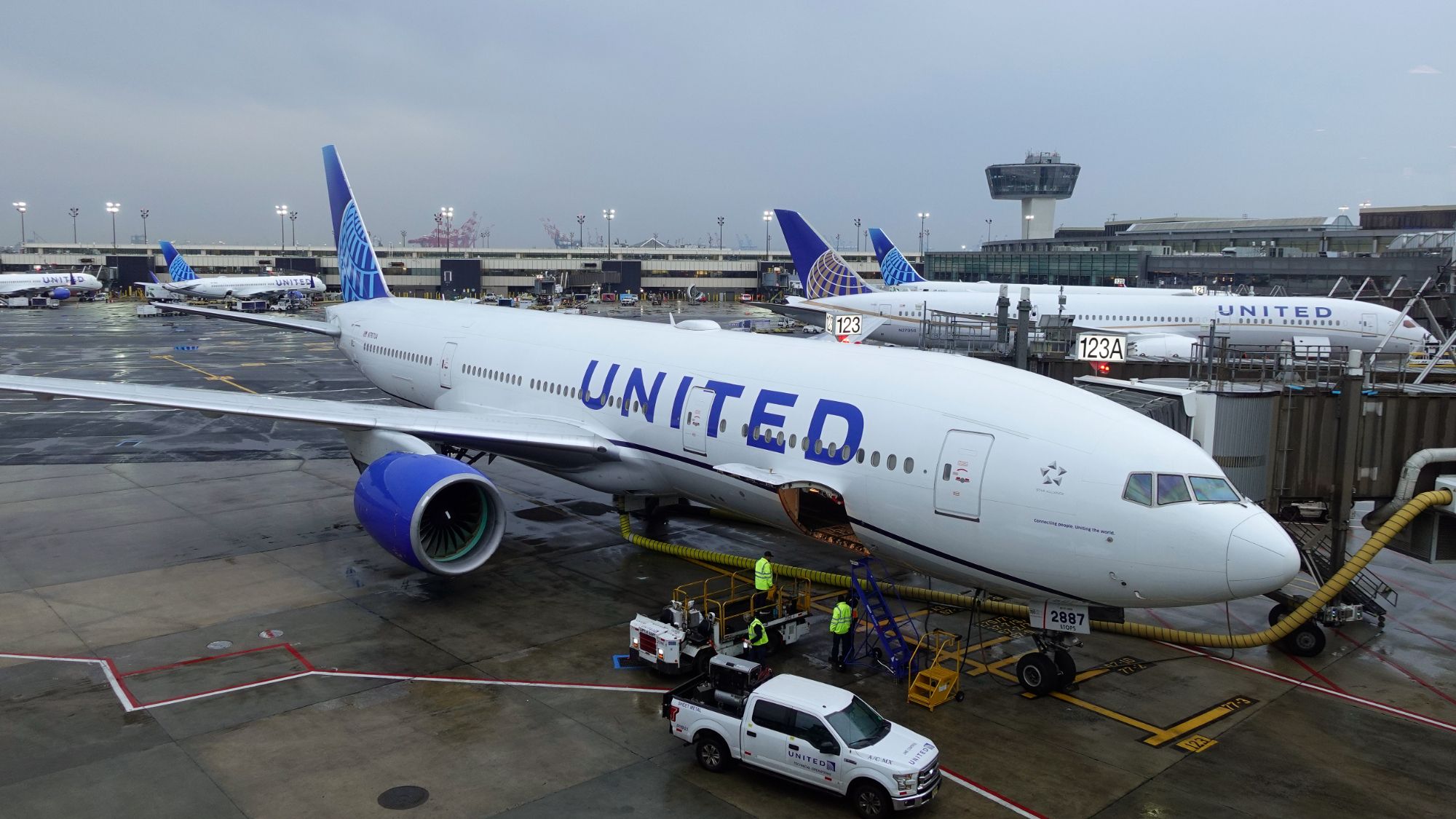
Thirty-two thousand feet up, somewhere over Nova Scotia, the hum of the jet engines suddenly felt… louder. Not the engines themselves, but the sudden, stomach-dropping silence that descended as the pilots squawked the 7700 emergency transponder code. This wasn’t a mechanical failure; it was a digital ghost—a Bluetooth speaker named ‘BOMB’—triggering a cascade of paranoia that turned a routine flight into a 10-hour odyssey.
Here’s the thing: we’re living in an era where the digital and physical worlds are so utterly intertwined, they’re practically inseparable. A teenager’s casual—or perhaps not-so-casual—decision to name a portable speaker ‘BOMB’ on United flight UA236 from Newark to Palma de Mallorca wasn’t just a prank; it was an event. It was a physical manifestation of online impulsiveness clashing violently with the rigid protocols of aviation security.
Authorities are investigating whether the teen’s Bluetooth speaker naming was a prank or a deliberate provocation.
That little device, probably purchased for a few bucks and likely renamed with a shrug, became an airborne crisis. A fellow passenger, understandably alarmed, reported it to a flight attendant. And just like that, protocol kicked in. The plane, two hours into its journey, had to turn back. Not a gentle descent and a missed connection; a full-blown emergency declaration, sending it hurtling back to Newark.
Imagine being on that flight. You’ve endured a two-hour tarmac delay already, a warm-up for what was to come. Then, two hours into the actual flight, over the vast, indifferent Atlantic, you’re told—or perhaps you piece it together from the hushed conversations and the sudden shift in the plane’s trajectory—that you’re going back. No bombs, no explosives, just a name. The absurdity is staggering.
And the fallout? Deplaning, a bus ride, then through TSA security again with all your luggage. Repeat the whole rigmarole. Two hundred people, their vacation plans dissolving like sugar in hot coffee, their carefully curated itineraries shattered, all because of a Bluetooth speaker’s digital moniker. It’s a dizzying illustration of how our digital footprints can, quite literally, ground us.
This isn’t just about one teenager’s ill-advised naming convention. It’s a microcosm of our interconnected reality. Every device, every username, every online persona we craft or carelessly adopt, has the potential to ripple outwards. It’s a platform shift, alright. We’re not just interacting with screens anymore; we’re navigating a world where our digital selves can directly impact the physical infrastructure that keeps us moving.
Is This Just a Tech Glitch or a Warning?
The authorities are, naturally, investigating. Was it a prank? A deliberate act of disruption? The 16-year-old owner of the device might be facing more than just a stern talking-to from their parents. But beyond the immediate legal ramifications, this incident throws a glaring spotlight on the escalating absurdity of our digital lives. We’re building ever-more complex systems, from air traffic control to global finance, that are increasingly susceptible to the whims and errors of digital entities—many of which we create ourselves.
This Bluetooth ‘BOMB’ is, in a way, a low-tech, high-impact analog to the sophisticated cyber threats we often hear about. It’s a tangible, albeit silly, example of how easily a signal can be misinterpreted, how quickly fear can spread, and how profoundly fragile our interconnected systems can be when confronted with a simple, yet potent, miscommunication. It’s like bringing a digital firecracker to a physical gunpowder convention.
What Does This Mean for Your Next Flight?
Travelers, take note. Before you board, maybe do a quick scan of your devices. Not just for prohibited items, but for their names. Because in this brave new world, your Wi-Fi hotspot named ‘FBI Surveillance Van’ or your phone’s Bluetooth identifier as ‘Virus Infected’ could very well be the catalyst for your own 10-hour delay. It’s a small ask, a minuscule adjustment in the grand scheme of air travel, but one that might save you a world of hassle. We’re on the cusp of something new, and it demands a new level of digital vigilance, even from the most mundane corners of our connected lives.
This incident is more than just an aviation anomaly. It’s a vibrant, unsettling splash of color on the canvas of our evolving digital existence. It’s a reminder that the line between the playful and the perilous is, sometimes, as thin as a character string. And that the future, while dazzling, will undoubtedly come with its own unique, and often bizarre, set of challenges.
🧬 Related Insights
- Read more:
- Read more: AI Safety Index Lays Bare Big Labs’ Risk Blind Spots