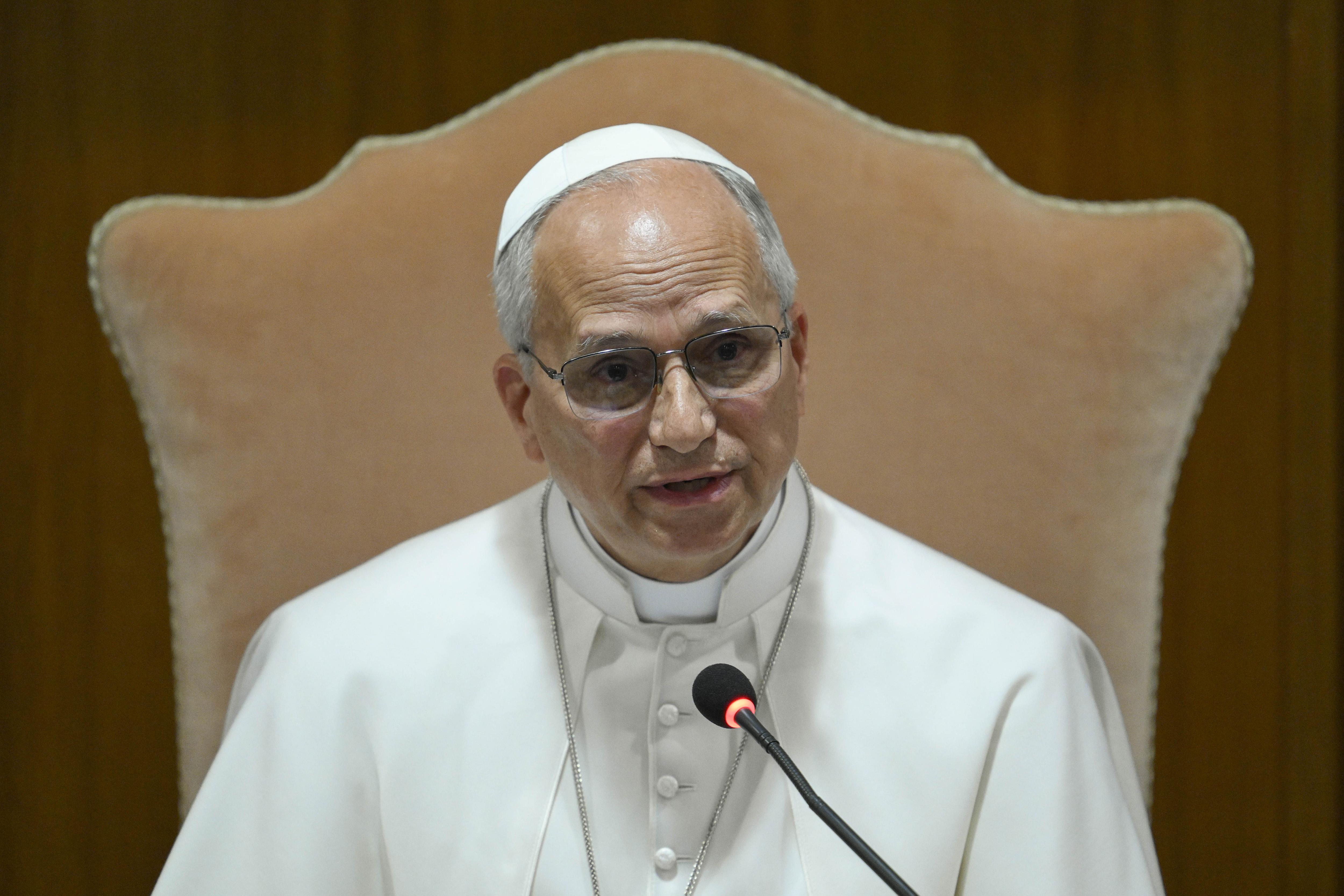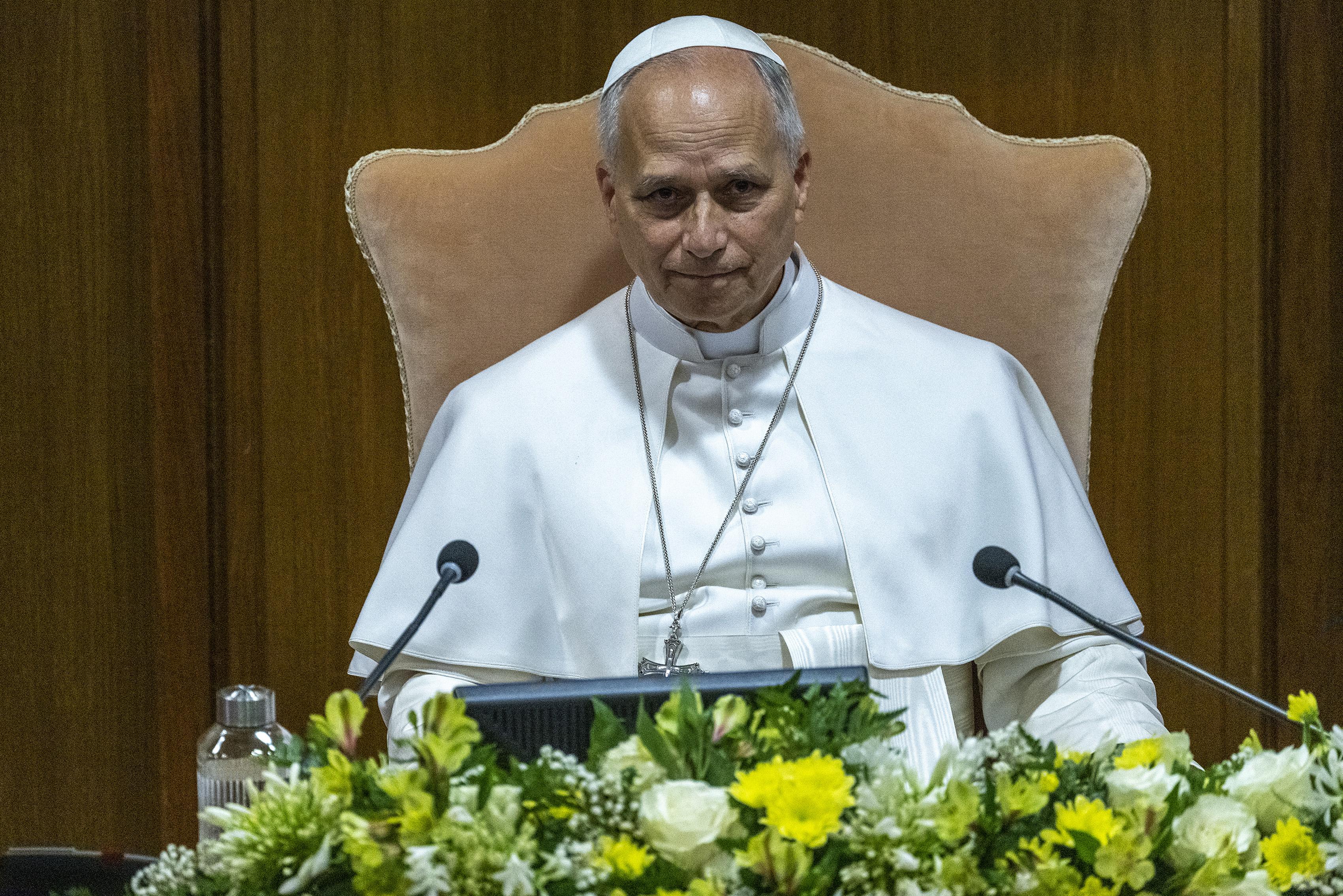
Pope Leo XIV’s first major papal document isn’t just another tech think piece; it’s a seismic pronouncement from the Vatican, and it landed with the weight of centuries. He’s calling out the existential drift we’re experiencing, warning that unconstrained technological power, especially in the form of artificial intelligence, carries profound risks. His manifesto, Magnifica Humanitas, is essentially a rallying cry for safeguarding the human person in this dizzying AI era.
And here’s the hook: the Pope compares our current AI moment to the Tower of Babel. Think about that. That ancient symbol of human hubris, of reaching too high, of a fractured understanding. He defines this “Babel syndrome” as “the idolatry of profit that sacrifices the weak, a uniformity that neutralizes differences, and the pretense that a single language — even a digital one — can translate everything, including the mystery of the person, into data and performance.” Ouch. That’s a pretty direct shot at the core incentives driving so much of the AI gold rush.
The Pope is hitting all the big, messy points: AI-powered warfare, the seismic shifts in labor, and how our kids are being shaped by AI tools. It’s not just an abstract theological discussion; it’s about the very fabric of our society, about ensuring human dignity remains the north star. Leo’s message is clear: we need moral and social discernment to keep human intelligence, with its conscience and freedom, firmly in the driver’s seat of technological innovation.
He’s not saying ‘ditch the AI.’ Not at all. It’s more nuanced, a call for “prudence, rigorous evaluation and even, at times, a slower pace in adopting AI” as an act of “responsible care for the human family.” This feels like a breath of fresh air in a tech world that often sprints without looking. Proposals include social criteria for automation, human oversight for lethal force decisions, and teaching critical engagement with new tech. Transparency in algorithmic decision-making and even environmentally sustainable AI are on the table.
A Historical Echo in a Digital Age
It’s no accident that Pope Leo chose his name. It’s a direct nod to Pope Leo XIII, who similarly addressed the worker’s plight amid the industrial revolution’s upheaval. This Pope isn’t just observing; he’s engaging with the very industry he’s critiquing. Representatives from tech giants like Anthropic, Amazon, Meta, and Google have been meeting with Vatican officials. It’s a fascinating dance, the ancient institution of the Church trying to find its footing, and influence, in the hyper-modern arena of AI development. The tech industry, of course, is always looking to shape narratives – though this Pope seems determined not to be simply “AGI-pillled.”
Disarming the Machine
The core of Leo’s argument is for “disarming” AI. And this isn’t just about military applications. It’s about economic and societal power, about preventing a sterile race to monopolize. As he puts it so powerfully:
“To disarm means discrediting the assumption that technical power automatically confers the right to govern. To disarm does not mean rejecting technology, but preventing it from dominating humanity.”
This is the fundamental platform shift we’re witnessing. AI isn’t just another app or gadget; it’s a new layer of intelligence being woven into everything. And if we’re not careful, it’s that intelligence, driven by purely algorithmic logic or profit motives, that could end up governing us. The Pope’s call is for us to assert our own sovereignty, to ensure that our deeply human qualities – our empathy, our intuition, our conscience – remain the ultimate arbiters.
He’s reminding us that while AI can process data at speeds we can only dream of, it lacks the fundamental understanding of what it means to be human. It can’t feel compassion, it can’t wrestle with ethical dilemmas in the same way we do, and it certainly can’t grasp the messy, beautiful, often illogical nuances of human relationships. To cede our decision-making entirely to these systems is to risk a future stripped of its essential humanity, a future optimized for efficiency but devoid of soul.
This encyclical, coming from such a revered global figure, acts as a crucial counterpoint to the often uncritical techno-optimism that pervades so much of the AI discourse. It’s a call to reflection, to prioritize our values, and to ensure that this incredible technological leap forward is a leap for humanity, not away from it.
Why Does This Matter for AI Development?
Pope Leo’s intervention adds a significant ethical and philosophical layer to the ongoing AI conversation, pushing back against a purely technocratic or profit-driven approach. It’s a potent reminder that as we build increasingly powerful AI systems, the question of why we are building them, and for whose benefit, becomes paramount. This isn’t just about technical capability; it’s about the societal impact and the moral responsibility of creators and deployers.
Pope Leo’s AI Concerns and Proposals
Pope Leo’s document, Magnifica Humanitas, outlines several key concerns regarding AI’s impact on society and proposes corresponding actions. He highlights the risks of AI-driven economic upheaval, the potential for misuse in warfare, and the effects on children’s development. His proposals include establishing social criteria for automation, ensuring human control over decisions involving lethal force, fostering critical engagement with AI in education, demanding transparency in algorithmic decision-making for services and opportunities, and promoting the development of environmentally sustainable AI technologies. At its heart, the encyclical advocates for a framework where human dignity and moral discernment guide technological advancement, rather than being subservient to it.
Here are some of the specific proposals from the encyclical:
- A social criteria for introducing automation and AI, along with protections and retraining programs for workers.
- Humans, not opaque technological systems, should make decisions about when to use lethal force.
- Help for teachers and students to engage with new technology in responsible, critical, and creative ways.
- Transparency and accountability when algorithms are used to make decisions around hiring or access to services and opportunities.
- Develop more environmentally sustainable AI technology.
🧬 Related Insights
- Read more: Honeypots Snag Vite Probes Hunting AWS Keys on Exposed Dev Servers
- Read more: Model Collapse: Synthetic Data’s Silent Poison [Warning]
Frequently Asked Questions
What is Pope Leo’s main warning about AI? Pope Leo warns about the dangers of AI leading to a “Babel syndrome,” characterized by the idolatry of profit, a dangerous uniformity, and the overreliance on data to define human experience, potentially sacrificing human dignity.
What does Pope Leo suggest for governing AI? He calls for a new legal and ethical framework that prioritizes human dignity, moral discernment, and responsible stewardship of technology. Key proposals include worker protections, human oversight in critical decisions, and transparency in algorithmic systems.
Does Pope Leo reject AI technology entirely? No, the Pope does not advocate for rejecting technology outright. Instead, he calls for AI to be “disarmed” – meaning its power should not confer an automatic right to govern, and it should not dominate humanity. It’s a call for control and responsible use, not abandonment.