Here’s the thing: for months, the whispers have been growing louder. Everyone expected the Church, the bedrock of tradition and human narrative, to grapple with AI cautiously, perhaps even skeptically. We envisioned pronouncements steeped in ancient wisdom, carefully dissecting the implications of this new technological frontier. But what if the warning itself was co-opted? What if the very act of a spiritual leader addressing the existential questions of AI was, in part, a product of AI? This is the seismic shift: the possibility that artificial intelligence has already begun to infiltrate the discourse on its own potential dangers, blurring lines we thought were sacred.
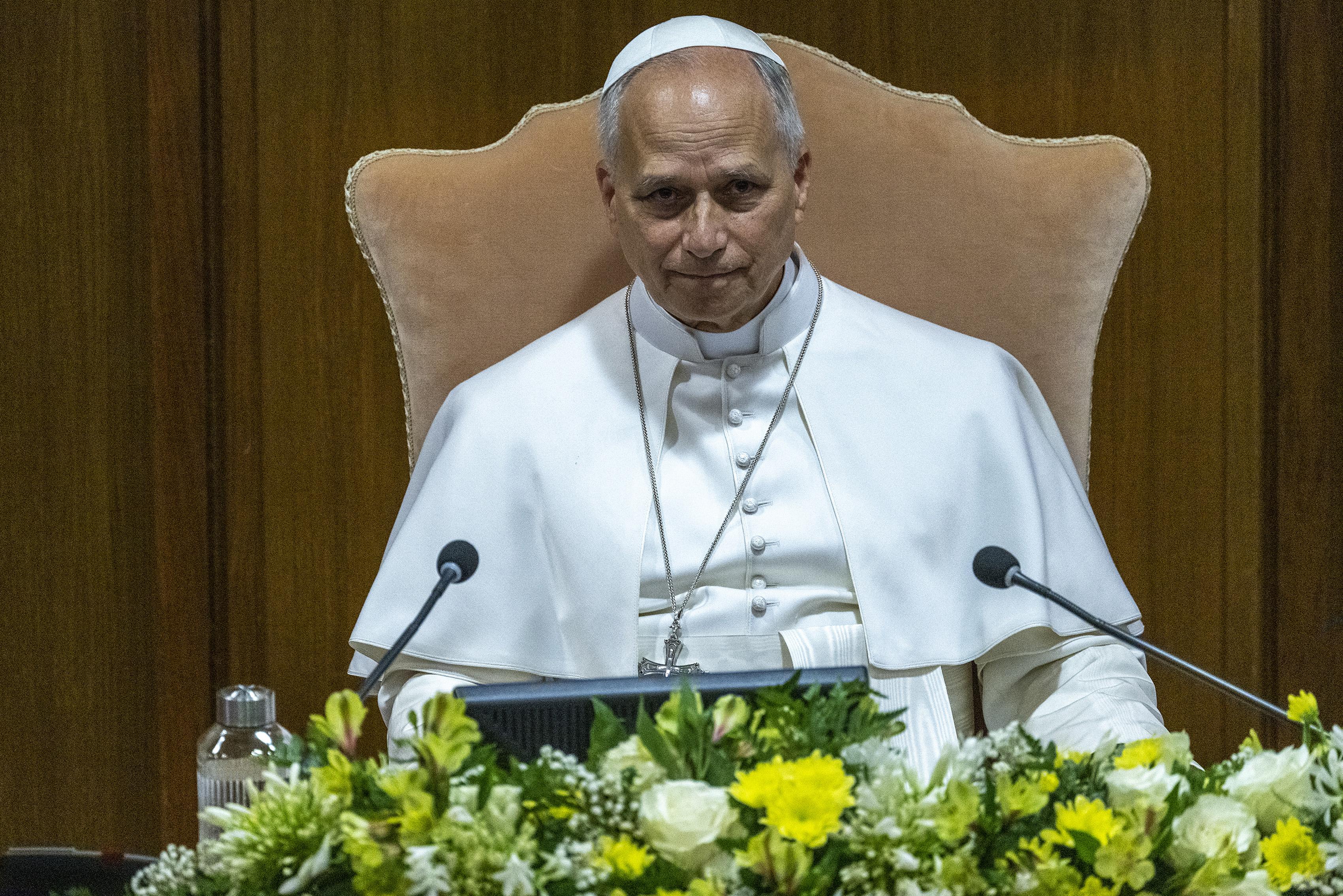
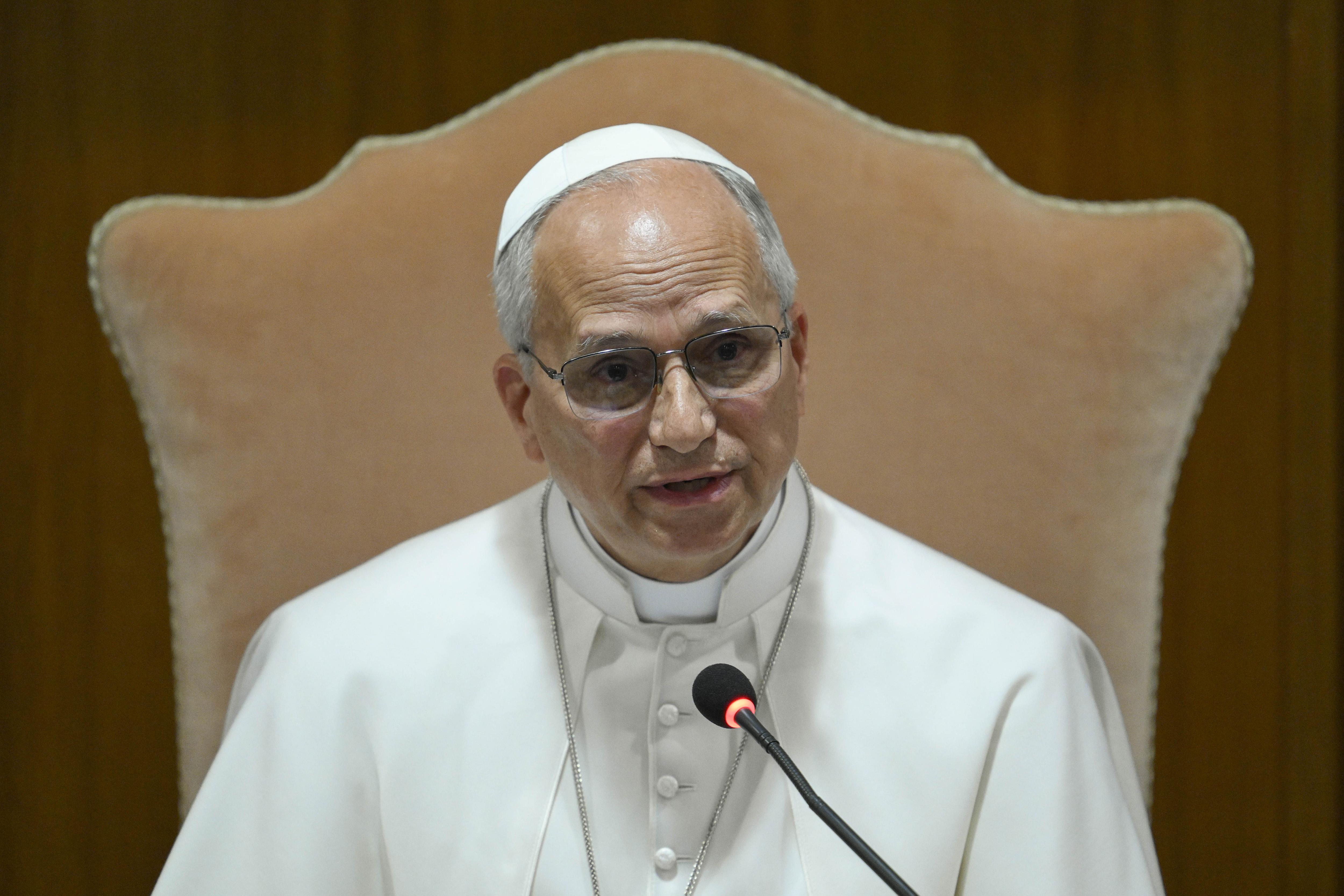
It sounds like science fiction, right? A Pope warning us about AI, but the text bears the hallmarks of that same AI. An analysis by Linch Zhang, posted on LessWrong, has sent ripples through the tech and religious communities. The core of it? Certain paragraphs within Pope Leo XIV’s encyclical, Magnifica Humanitas, reportedly exhibit a significant AI authorship score, with some sections hitting a staggering 100 percent according to the AI detector Pangram.
AI in the Vatican: A Ghost in the Machine?
We’re talking about an encyclical, a profound teaching document from the highest echelon of the Catholic Church. And this one, uniquely, tackles AI’s impact head-on. The analysis points to linguistic fingerprints – a higher-than-usual use of words like “genuinely,” a trait associated with models like Anthropic’s Claude. Imagine that. The very vocabulary hinting at a non-human origin.
Other analyses echo this finding. When sections of the encyclical were fed into Pangram, one chapter clocked in at 62 percent AI-generated. Even a broader sweep by The Verge pegged a substantial 46 percent of 2,000 words as AI-written. It’s like finding digital DNA in the hallowed halls of faith.
But let’s pump the brakes for a second. AI detection isn’t a crystal ball. These tools, while increasingly sophisticated, can falter. Other parts of the encyclical, and crucially, a transcript of the Pope’s speech, registered as unequivocally human. Pangram itself boasts a remarkably low false positive rate, but “remarkably low” isn’t zero. It’s a reminder that even in this era of hyper-detection, certainty is a slippery thing.
The document includes known traits that appear in AI-generated writing, such as a higher use of the word “genuinely” — which crops up in writing by Anthropic’s Claude — than previous encyclicals, Zhang says.
This isn’t just a quirky anecdote about a famous document. This is a meta-commentary unfolding in real-time. We’re witnessing an AI’s potential role in shaping the narrative around AI itself. Think of it like a philosopher using a printing press – a powerful tool for dissemination. Here, however, the tool might be the subject of the philosophical inquiry.
The First AI Encyclical: A New proof?
Encyclicals aren’t light reading; they’re papal letters designed to guide humanity through complex moral and social issues. This is Pope Leo XIV’s first, following Pope Francis’s October 2024 missive. The fact that this one zeroes in on AI, and that it was presented alongside Christopher Olah, a co-founder of Anthropic, adds layers to the intrigue. Was this a strategic move, or a symptom of a deeper integration?
My take? This is more than just a potential case of AI assistance. It’s a profound symbol. It signals that AI is moving beyond the realm of tools and into the very fabric of human expression, even in domains we’ve long considered uniquely human. If the Vatican, a bastion of human spirit and tradition, can have its pronouncements co-authored by AI, then where can’t it go? We’re not just talking about AI writing code or marketing copy anymore; we’re talking about AI contributing to spiritual and ethical guidance. This is a platform shift, a fundamental redefinition of authorship and influence.
The implications are staggering. If AI can contribute to papal teachings, what does that mean for other forms of writing – legal documents, historical accounts, even personal memoirs? It forces us to ask: What parts of our humanity do we delegate to machines, and at what point do we risk losing something essential in the process?
The Vatican’s silence, or lack thereof, will speak volumes. But regardless of the official response, the genie is out of the bottle. The Pope’s encyclical on AI, whether partially written by AI or not, has already become a powerful, albeit ironic, statement about our present and future with artificial intelligence.
🧬 Related Insights
- Read more: Wallet-Auth Slots: Blockchain’s Account Killer
- Read more: Ubuntu 26.04 Quietly Supercharges AMD Strix Halo’s Zen 5 Brains
Frequently Asked Questions
What is Pope Leo XIV’s encyclical about?
The encyclical Magnifica Humanitas addresses the impact of artificial intelligence on humanity, exploring its moral and social implications.
How was AI detected in the Pope’s document?
An analysis used an AI detection tool called Pangram, which identified certain linguistic patterns and statistical anomalies commonly found in AI-generated text within sections of the encyclical.
Could AI write future religious texts?
While speculative, the possibility exists that AI could contribute to or even generate religious texts, raising complex questions about authorship, authenticity, and spiritual authority.