Are we sure AI is saving us, or just making executives richer while the rest of us scramble for crumbs?
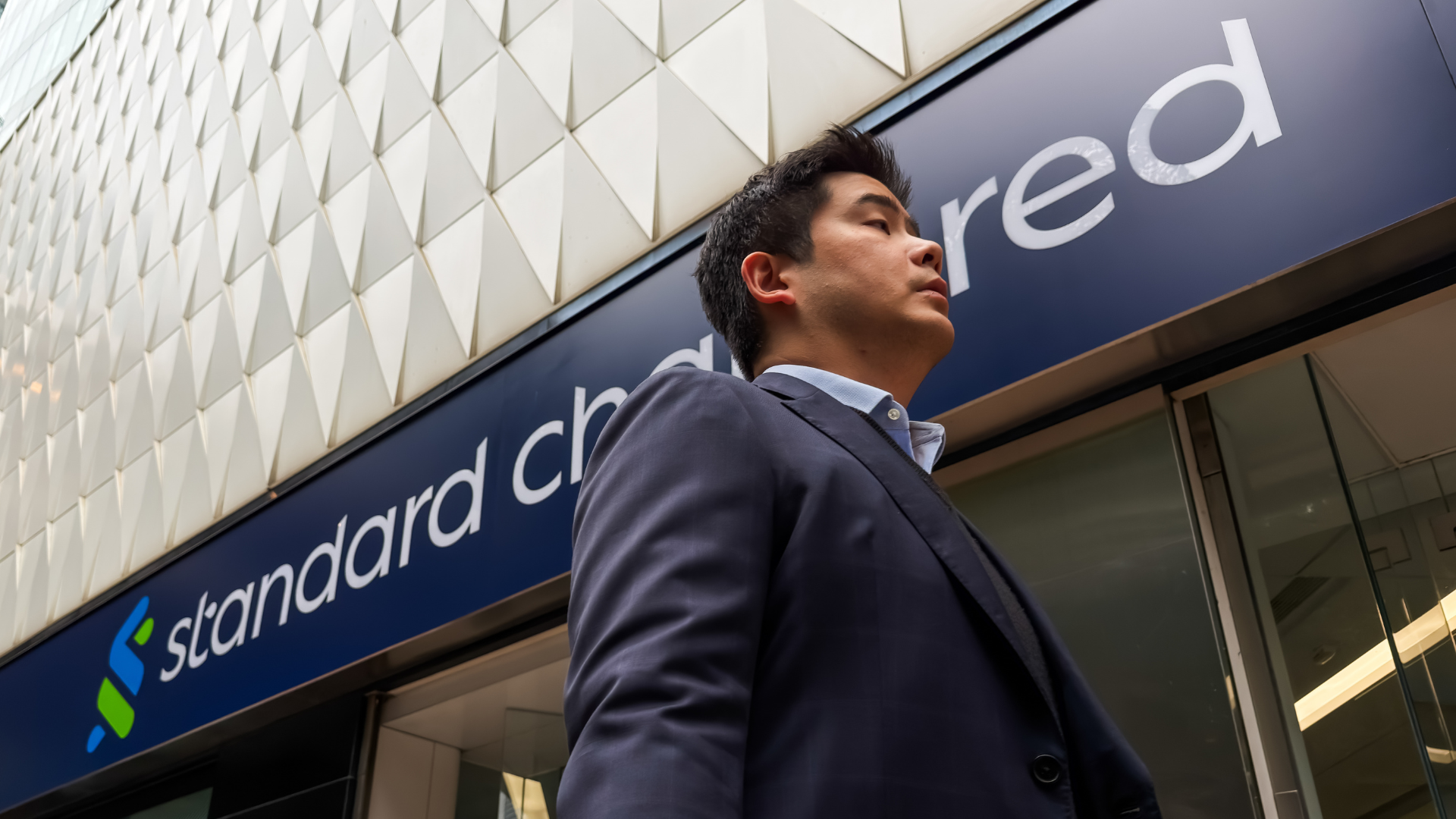
Standard Chartered, bless its multinational heart, just dropped a bombshell. Seven thousand jobs. Gone by 2030. That’s 15% of its corporate roles. The reason? “Lower-value human capital.” Yes, they actually said that. Apparently, our esteemed financial institutions are now in the business of devaluing us. It’s a 6% increase in their targeted return on tangible equity, mind you. Because that’s what really matters. Profit. Not people.
CEO Bill Winters, with a straight face, claims it’s not “cost-cutting.” It’s “replacing… human capital with financial capital and investment capital.” Fancy words for outsourcing us to silicon. He’s throwing out the olive branch of “reskilling” and “repositioning.” A noble gesture, I’m sure. Especially for those poor souls in Chennai, Bengaluru, Kuala Lumpur, and Warsaw. The back offices. The places where the actual work, you know, gets done.
Here’s the thing: this isn’t an outlier. The tech industry itself has apparently “cut nearly 80,000 positions” in just the first quarter of 2026, with AI being the convenient villain. Or scapegoat. OpenAI’s Sam Altman himself has hinted that AI layoffs are sometimes just a convenient excuse for boardroom blunders. It’s the corporate equivalent of blaming the dog for eating your homework.
“It’s not cost-cutting. It’s replacing, in some cases, lower-value human capital with the financial capital and the investment capital we’re putting in.”
But it’s not all doom and gloom, apparently. Some reports from Europe suggest that companies actually using AI effectively are hiring. Funny, that. Productivity leads to profit, which leads to expansion, which sometimes leads to more jobs. Microsoft’s “Transformation Paradox” study found that a mere 20% of companies deploy AI effectively. The rest? They’re still fumbling in the dark, probably laying people off because they don’t know what else to do. It’s a bit like giving a toddler a chainsaw. Messy, and rarely ends well for anyone but the parents.
Is This the Future of Banking?
Standard Chartered’s announcement is a chilling reminder that efficiency, for many corporations, trumps empathy. The bank’s move is a bold, perhaps even arrogant, statement. It signals that human effort, in certain capacities, is now deemed obsolete. It’s a stark contrast to the narrative pushed by some AI evangelists who promise augmentation and collaboration.
My unique insight here? This isn’t just about automation. It’s about a strategic shift in how banks view their workforce. For decades, talent was seen as a core asset. Now, particularly in roles deemed repetitive or lacking high-level strategic input, humans are being reclassified as liabilities. This “push” isn’t just a technical upgrade; it’s a philosophical pivot, a cold calculation that employee benefits and salaries are more fungible than the cost of AI integration. The historical parallel is perhaps the industrial revolution – mass displacement, but also the eventual creation of new industries and roles. The question is, will the new roles be accessible and equitable?
And while the bank offers reskilling opportunities, let’s not pretend that’s a guaranteed lifeline. The uncertainty for thousands of employees is palpable. The transition to an automated future is here, and for many, it feels less like a smooth evolution and more like being pushed off a cliff with a parachute that might or might not deploy.
Will AI Replace Me?
That’s the question on everyone’s mind. Standard Chartered’s decision suggests that for roles deemed “lower-value,” the answer is increasingly yes. The bank is betting big on automation to boost its bottom line. This trend is unlikely to reverse anytime soon. Employees should proactively identify skills that are augmented, not replaced, by AI, or focus on roles requiring uniquely human attributes like complex problem-solving, creativity, and emotional intelligence.
🧬 Related Insights
- Read more: Project Glasswing: Big Tech’s $100M Bet to AI-Arm Open Source Defenders
- Read more: Multi-Model AI Code Review Outsmarts Single-Model Pitfalls
Frequently Asked Questions
What does Standard Chartered’s AI push mean for employees? It means significant job displacement. The bank is actively replacing roles deemed “lower-value human capital” with AI and automation, impacting approximately 7,000 corporate positions by 2030.
Why is Standard Chartered cutting jobs for AI? The bank cites a desire to increase its return on tangible equity to 18% by 2030. CEO Bill Winters frames it as replacing human capital with financial and investment capital through AI.
Are other banks doing the same? While Standard Chartered’s announcement is particularly stark, the broader trend in the financial sector and other industries is towards increased automation and AI integration, which can lead to workforce adjustments.