Wearable Tech Amplifies Cheating
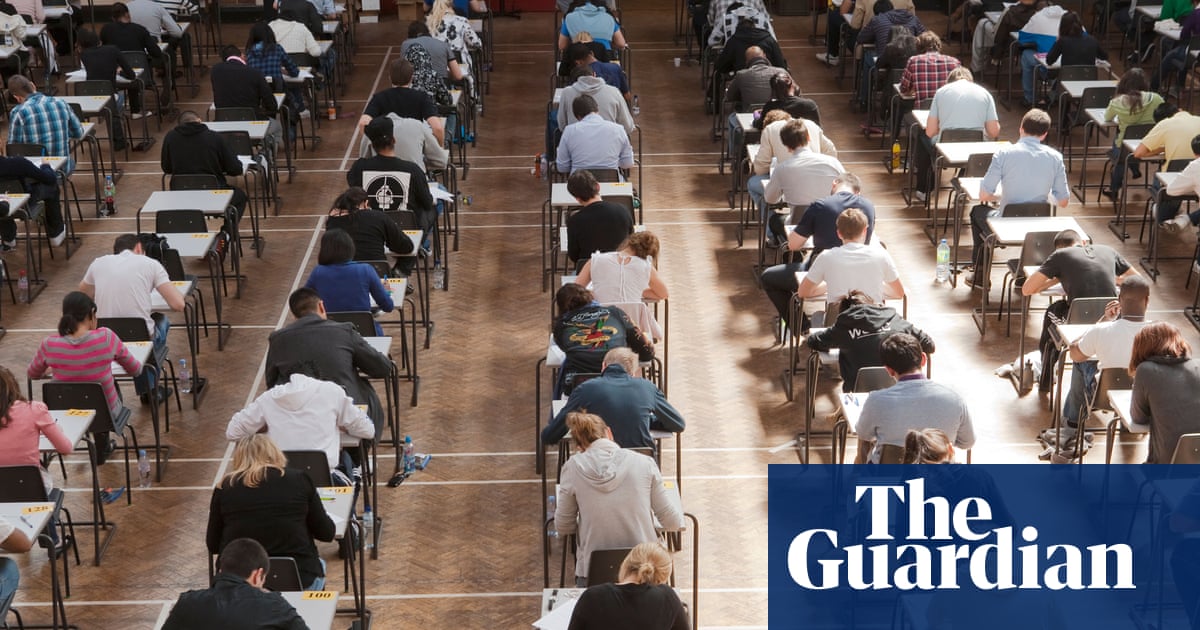
Exam integrity is under siege. Not from whispered notes or smuggled cheat sheets, but from an invisible tide of sophisticated technology. England’s qualifications regulator, Ofqual, is sounding the alarm over a new generation of wearable devices—think smartglasses projecting text directly into a student’s vision, or discreet earpieces feeding answers—that threaten to magnify existing cheating behaviors to unprecedented levels. Ian Bauckham, the head of Ofqual, minced no words: the nation’s school qualifications system, a “real national asset,” is at risk of being “undermined.”
The data supports this grim outlook. Last summer alone, Ofqual recorded 2,225 instances of cheating involving mobile phones and other connected devices like smartwatches in GCSE, AS, and A-level exams. This figure, the largest category of exam malpractice since 2018, isn’t just a statistical anomaly; it’s a trend line pointing toward a future where academic honesty becomes increasingly difficult to police.
Bauckham’s insights, shared on an Ofqual podcast, highlight the relentless pace of technological advancement. “Technology is changing fast,” he stated, noting that while mobile phones are a known menace, smartwatches with full internet connectivity already pose similar challenges. But it’s the devices on the horizon—smartglasses specifically—that represent a quantum leap in the potential for academic misconduct. The ability to display text directly on lenses, invisible to invigilators but clear to the wearer, shifts the landscape from mere possession of a prohibited device to active, undetectable information retrieval during an exam.
This isn’t merely about a few students gaining an unfair advantage; it’s about the erosion of trust in the entire system. “If you gain help unfairly on a mobile phone or a smartwatch or any other kind of device, you are potentially getting marks in the exam that you don’t deserve,” Bauckham explained. The downstream effect is profound: qualification grades, once a reliable measure of a student’s learned content and mastery, become untrustworthy, potentially misrepresenting their actual capabilities and impacting future educational or career paths.
AI in Coursework: The Invisible Hand
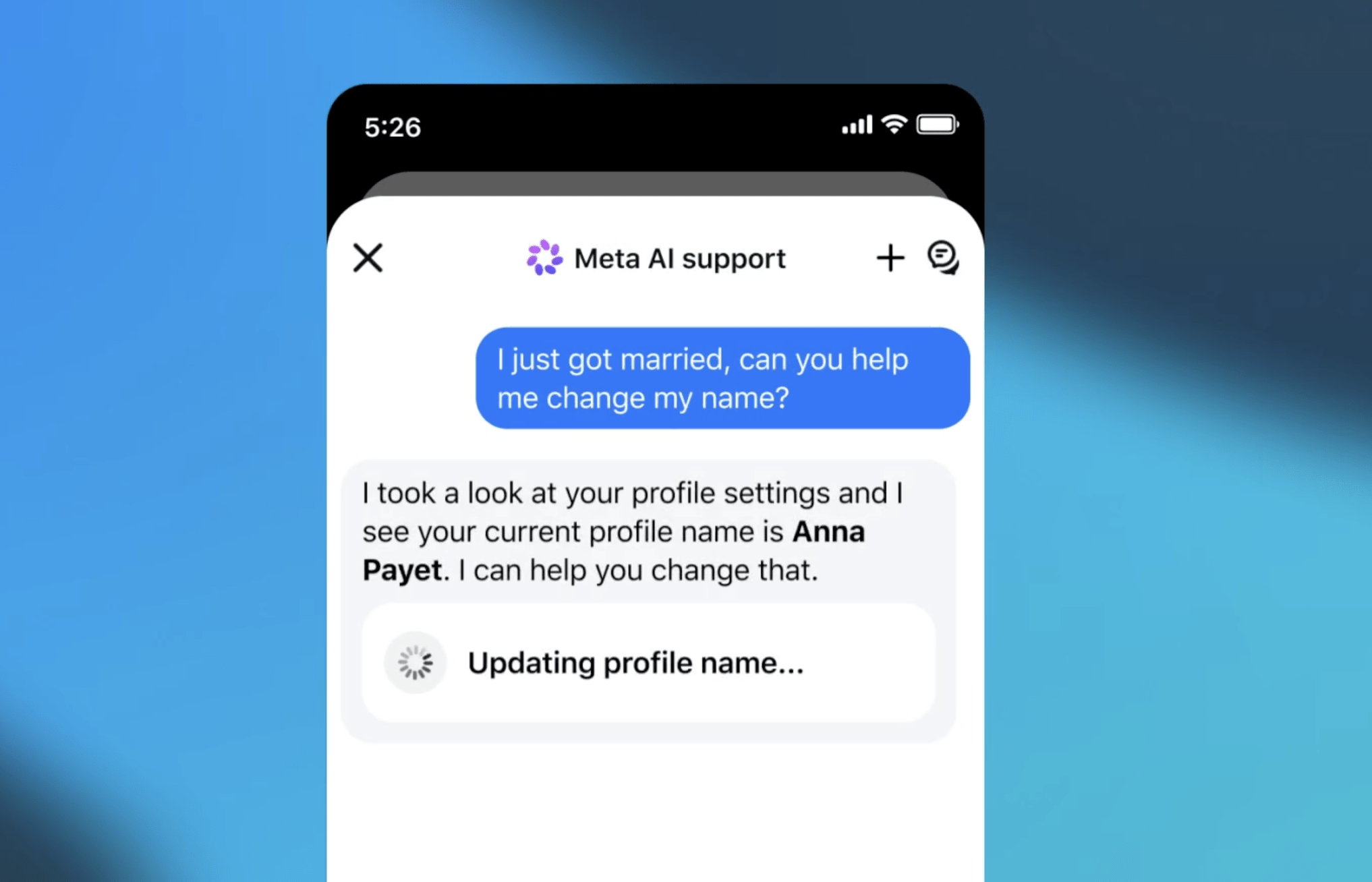
Beyond the exam hall, a parallel crisis is brewing. Teachers are reporting increasing difficulty in detecting AI-generated content within student coursework for GCSEs and A-levels. The sophistication of tools like ChatGPT means that generating lengthy, seemingly original essays on demand is no longer science fiction; it’s a present-day reality that is outmaneuvering educators. Ofqual acknowledges this struggle, with Bauckham confirming they are “looking very hard at that question now.”
When educational reforms are being considered, the question of coursework’s place is paramount. What safeguards can be implemented to guarantee the authenticity of student work? The “nuclear option”—abolishing coursework entirely—is on the table, a stark admission of the current challenges. Alternatively, educators might need to implement more frequent, in-person checks with students on their work, or significantly increase the rigor around referencing and source attribution. The expectation will shift from students simply producing an output, to them clearly articulating the research journey behind it. A student asking AI to “Write me 10,000 words on Henry VIII’s foreign policy” is precisely the kind of output Ofqual wants to avoid.
My unique insight? This isn’t just about policing students. It’s a profound indictment of how our assessment models, built for a pre-digital age, are fundamentally unprepared for the AI era. We’re trying to fit square pegs into round holes, expecting analog controls to manage digital chaos. The focus on ‘detection’ is a reactive, ultimately losing battle. The real solution lies in re-envisioning what we assess and how we assess it—moving towards more authentic, process-oriented evaluations that AI struggles to replicate wholesale, like oral defenses or portfolio assessments that showcase applied skills rather than pure text generation.
Historical parallels abound; think of the constant arms race between cryptography and cryptanalysis. Each advancement by one side is met with a counter-advancement by the other. Education risks becoming just another front in this technological skirmish, diverting resources and focus from actual learning to a perpetual game of cat and mouse.
For schools and exam boards, the message is clear: the status quo is unsustainable. The rapid integration of accessible AI and advanced wearables demands an equally rapid, and more importantly, proactive response. Failure to adapt means the devaluation of qualifications, an outcome no nation can afford.
Is this the End of Traditional Exams?
The advent of smart technology and AI undeniably puts pressure on traditional exam formats, especially those relying on rote memorization or straightforward essay generation. While it’s unlikely to be the outright “end” of exams, it necessitates a significant overhaul. Future assessments will likely need to incorporate more practical demonstrations of understanding, critical thinking, and application of knowledge—elements that are harder to outsource to technology. The focus may shift from proving what you know, to proving what you can do with what you know.
Why Does this Matter for Developers?
This situation has direct implications for developers. Firstly, the demand for tools that can help educators detect AI-generated content will surge, creating opportunities for new software solutions. Secondly, as educational institutions adapt their assessment methods, developers might be tasked with building platforms that support new forms of assessment, such as interactive simulations, collaborative project management tools with strong integrity checks, or secure environments for oral examinations. Understanding these evolving educational needs is key for developers looking to contribute to the ed-tech space.
🧬 Related Insights
- Read more: 2026’s Best Windows Laptops: Shiny Upgrades or Same Old Traps?
- Read more: Flock Safety’s ALPR Busts Phone-Wielding Rider, Igniting Mission Creep Alarms
Frequently Asked Questions
What does Ofqual stand for? Ofqual is the Office of Qualifications and Examinations Regulation, England’s independent qualifications watchdog that ensures standards in exams and qualifications.
Will smartglasses be banned in exams? Ofqual is closely monitoring the situation and is likely to implement stricter regulations or outright bans on devices that compromise exam integrity. Specific policies are expected to evolve as the technology becomes more prevalent.
How can students avoid academic dishonesty? Students should focus on genuine learning, understanding course material, and producing original work. Relying on AI or cheating devices undermines the value of their education and qualifications, potentially leading to severe penalties.