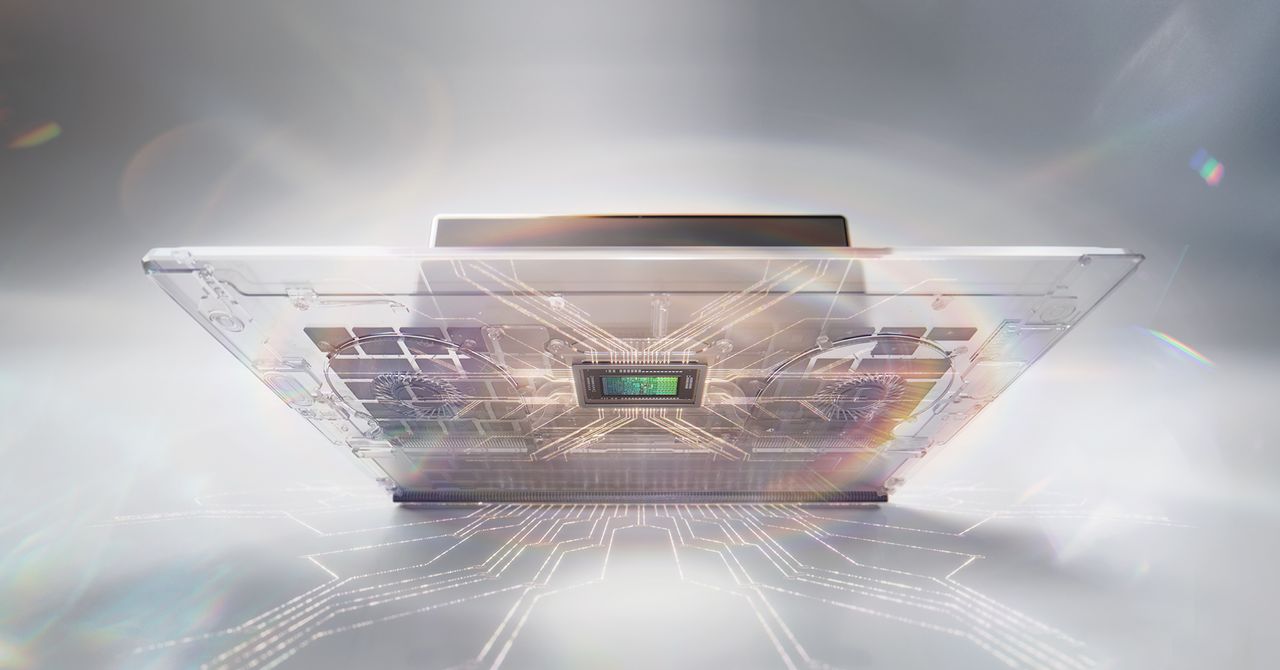
Everyone was expecting something, but was it this? For what feels like eons, the tech world has been buzzing with the promise of the ‘AI PC’ – a machine that could finally bring the power of artificial intelligence out of the cloud and onto our desktops and laps. We heard pronouncements, saw vague demos, and frankly, it all felt a bit like smoke and mirrors. Microsoft’s Copilot+ PCs, while boasting NPUs, often struggled to perform demanding AI tasks locally, leaving many of us feeling underwhelmed. But here’s the thing: Nvidia might have just flipped the script.
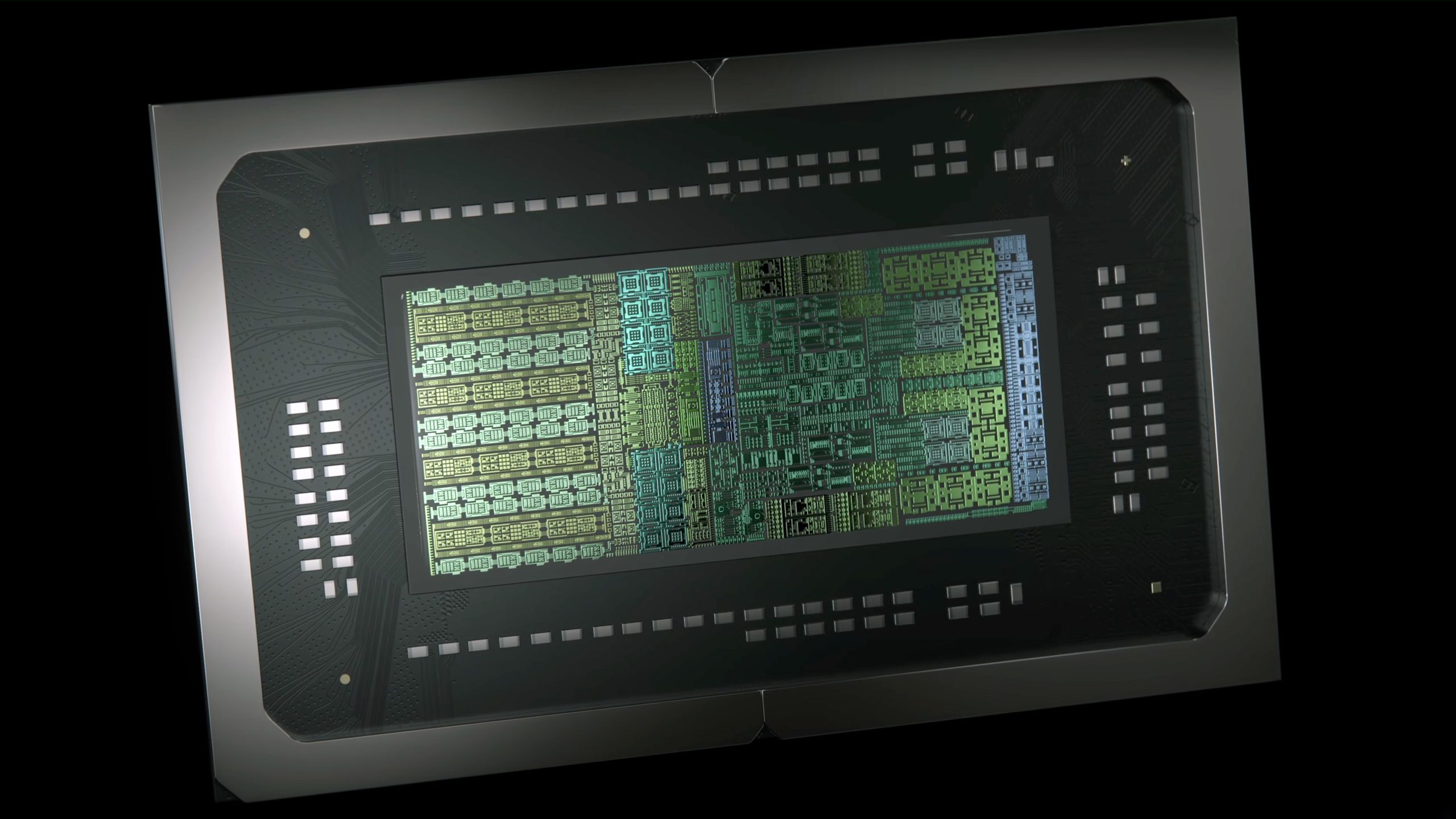
Nvidia’s RTX Spark chips are more than just an iteration; they represent a fundamental platform shift. This isn’t just a new graphics card or a slightly faster processor. It’s a meticulously crafted ecosystem designed from the ground up for local AI inference. By unifying memory, integrating their stellar RTX graphics, and introducing their brand new N1 CPU, Nvidia isn’t just dabbling in local AI – they’re planting their flag squarely in the territory.
The ‘Fake AI PC’ Exposed
Microsoft has been touting the ‘AI PC’ since 2024, painting a picture of a future where our devices are smarter, more intuitive, and proactively assist us. Yet, the reality often fell short. While these machines featured neural processing units (NPUs) and ample RAM, their computational grunt simply wasn’t there to run anything beyond the most basic large language models locally. It felt, to many, like a beautifully packaged promise with an underpowered engine. The hype machine churned, but the substance seemed to lag woefully behind.
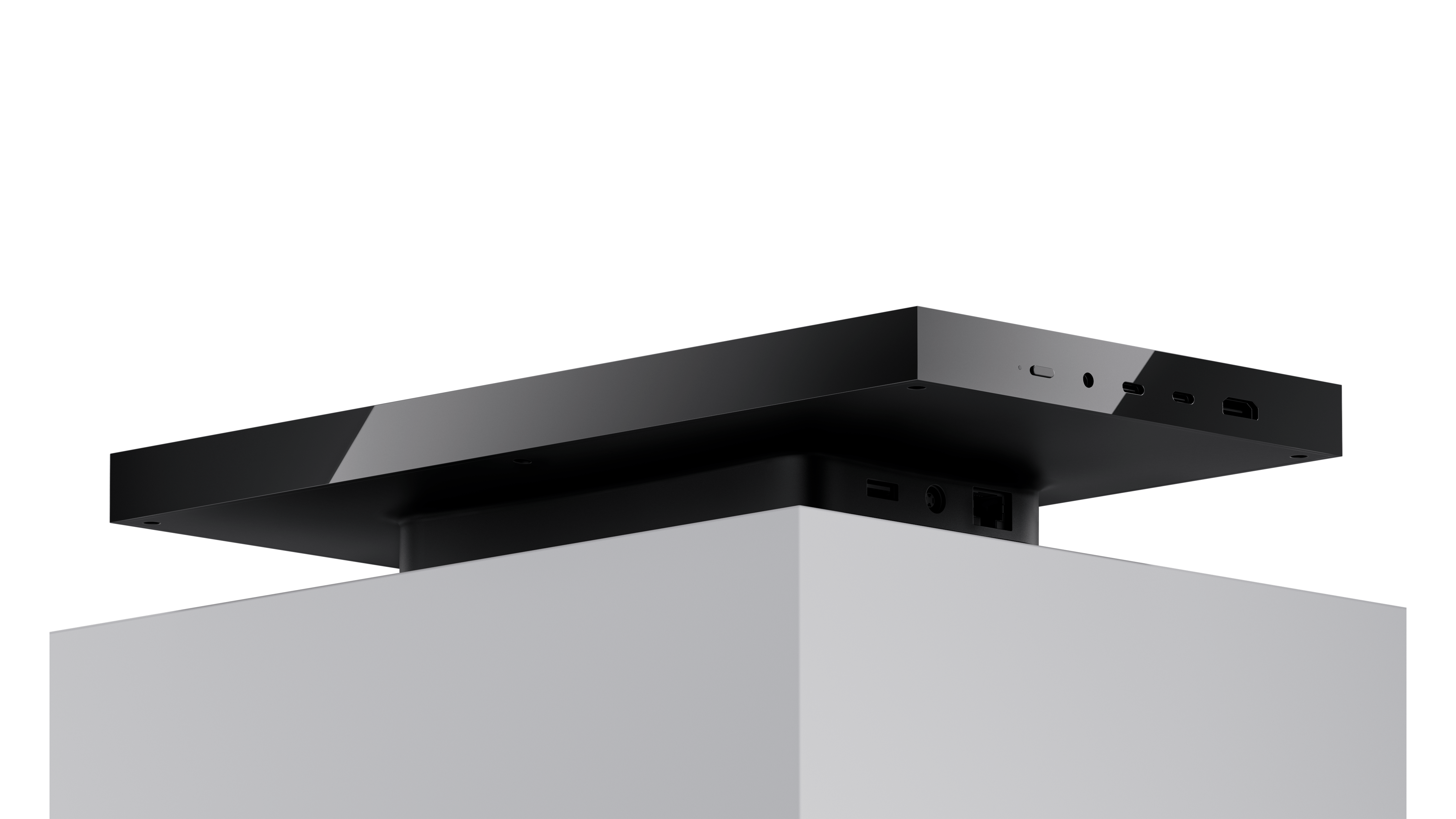
Now, enter RTX Spark. While we’ll need hands-on testing and concrete pricing to truly assess their impact, these new Nvidia-powered laptops look the part. The integration of unified memory, scaling up to a staggering 128GB, coupled with an efficient Arm-based CPU and those ubiquitous RTX graphics, offers a potent combination previously unseen in the Windows ecosystem outside of astronomically priced custom builds. This is direct competition for the MacBook Pro – the machine that had become the de facto choice for AI enthusiasts wanting to run foundation models locally. And competition, my friends, is a beautiful thing.
Nvidia’s established partners – HP, Asus, Dell, Lenovo – are all on board, promising a wide range of RTX Spark devices. And keep an eye on Microsoft’s own Surface Laptop Ultra; it’s shaping up to be a formidable MacBook Pro alternative, complete with a 15-inch Mini-LED display and a form factor that appears to strike a perfect balance. Microsoft hasn’t delivered a truly performance-forward Surface in ages, and this arrives just as whispers of a ‘MacBook Pro Ultra’ grow louder.
I’ll admit, a thrill shot through me when I saw the specs. One perennial Achilles’ heel of Windows laptops aspiring to MacBook Pro levels of performance has been battery life. The need for discrete GPUs, often from Nvidia itself, meant a constant trade-off: power versus longevity, often accompanied by a symphony of fan noise. While Intel’s recent Core Ultra Series 3 chips have started to bridge this gap—think Dell XPS 14 hitting closer to that MacBook Pro balance—their memory ceilings typically max out at 64GB. RTX Spark shatters that ceiling.
But it’s not just the sheer volume of memory. It’s the fact that the integrated graphics can rival a discrete RTX 5070. And then there’s the software—Nvidia’s CUDA platform. This is the engine that allows developers to unlock the raw potential of their GPUs, and Nvidia has built an entire AI ecosystem around it, dominating data center AI processing. Bringing that same AI muscle, that same developer familiarity, to local PCs could unlock performance far exceeding anything we’ve seen before. Mac development has seen impressive strides, but Nvidia’s scale in this domain is, frankly, monumental.
Sparking a Revolution, Or Just a Big Sparkler?
Let’s be clear: these aren’t going to be budget-friendly machines. Reports are already surfacing, estimating high-end RTX Spark configurations to tip over the $4,000 mark. And honestly? That’s not surprising. A similarly specced MacBook Pro commands a similar price tag these days. This is premium territory, aiming at those who demand top-tier AI performance.
It’s becoming increasingly easy to envision a near future where local AI models are not just a novelty but a standard tool for a vast array of work projects. As agentic models become more sophisticated and user-friendly, the privacy and latency benefits of running them locally will become overwhelmingly attractive. We’re already witnessing unprecedented demand for the Mac Mini, with Apple citing surprisingly rapid AI adoption for the extended shipping times. RTX Spark is clearly aiming for that same compact desktop space with several SFF PCs on the horizon.
Nvidia is, of course, pitching these laptops for their gaming prowess too. How deeply they lean into this, and how effectively they reach beyond the hardcore AI crowd, will significantly impact the competitive landscape for Intel, AMD, and Qualcomm. But for now, there’s an undeniable reason to pay very close attention.
This represents a seismic shift. It’s about delivering hardware capabilities to the Windows ecosystem that simply didn’t exist before, effectively creating a new class of device capable of tackling complex AI workloads directly on your machine. It’s the dawn of a new era for personal computing, powered by AI, built by Nvidia.
“These new Nvidia laptops look truly like real AI PCs. The combination of unified memory up to 128 GB, an efficient Arm-based CPU, and the company’s trademark RTX graphics cards gives you a computer unheard of outside the MacBook Pro.”