Could a single restaurant, with its bustling kitchens and endless dishwashing, actually guzzle more water than an entire AI data center? It sounds like a punchline, but Microsoft CEO Satya Nadella is making precisely that claim about the company’s newest generation of AI infrastructure. This isn’t just corporate spin; it’s a signal flare for a fundamental shift in how we build the digital future, one that acknowledges the very real environmental pressures our hunger for AI is creating.
Speaking at Microsoft Build 2026, Nadella painted a picture of a radically efficient data center, one where the cooling loop is filled once and then operates with near-zero water consumption. “The daily water usage over the course of an entire year is roughly equivalent to what a single restaurant would use,” he announced, a statement designed to jolt us out of our assumptions about the insatiable thirst of AI. And honestly, it worked. Because while we marvel at the compute power these giants demand, the water they used to sip—no, GULP—has been a growing, silent crisis.
The Restaurant Water Benchmark: A Bold Analogy or Barely the Tip of the Iceberg?
Now, Nadella’s restaurant analogy is provocative, isn’t it? We’re talking about facilities that historically could guzzle tens of millions of gallons of water annually, depending on their size and how hot the local climate gets. A single restaurant, even a large one, might consume a million gallons a year, sometimes less. So, if Microsoft’s new architecture truly slashes consumption to that level, it’s not just an incremental improvement; it’s a paradigm shift. But how? The secret sauce is their closed-loop liquid-cooling system.
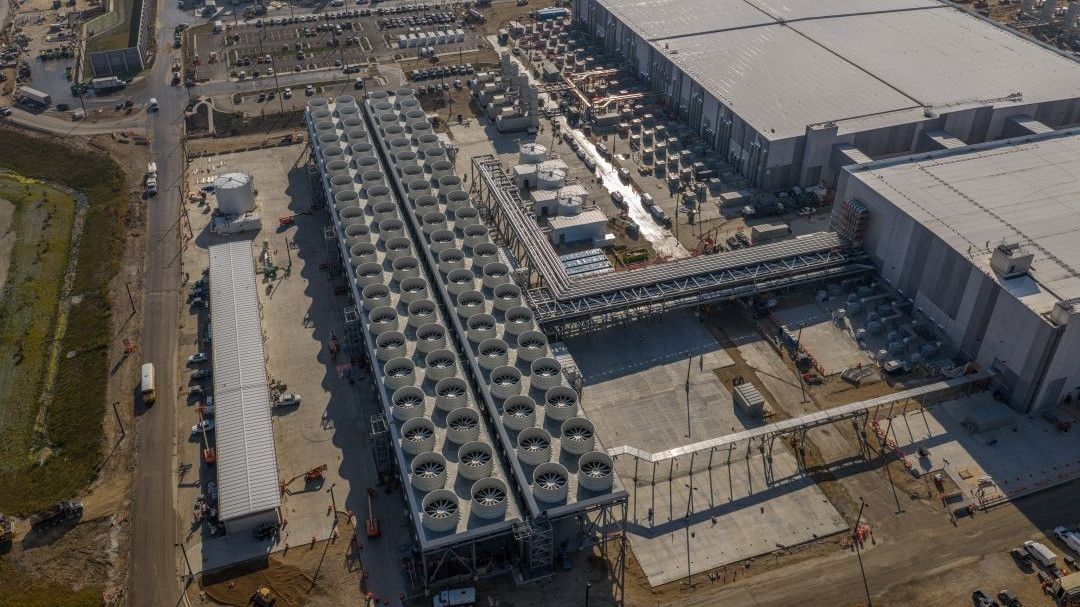
Think of traditional data centers like old-school swamp coolers: they rely on evaporation, meaning they’re constantly slurping up fresh water, only to release it as vapor. It’s effective, sure, but incredibly wasteful. Microsoft’s new approach is more like a modern, sealed refrigeration system. Water circulates in a closed loop, absorbing heat from the AI hardware and then being cooled down via a massive chiller plant. It’s recycled, reused, and barely leaves the system. Over 90% of the cooling power comes from this closed loop, with only minimal water use for supplemental cooling during extreme heatwaves, or when relying on outside air.
This efficiency, they claim, could save billions of gallons across their global footprint. Imagine that: billions of gallons, freed up for communities, for agriculture, for, well, everything else that needs clean water. It’s a vision of AI infrastructure that doesn’t just consume but coexists.
The Fairwater Blueprint: A Glimmer of Hope, But What About the Existing Giants?
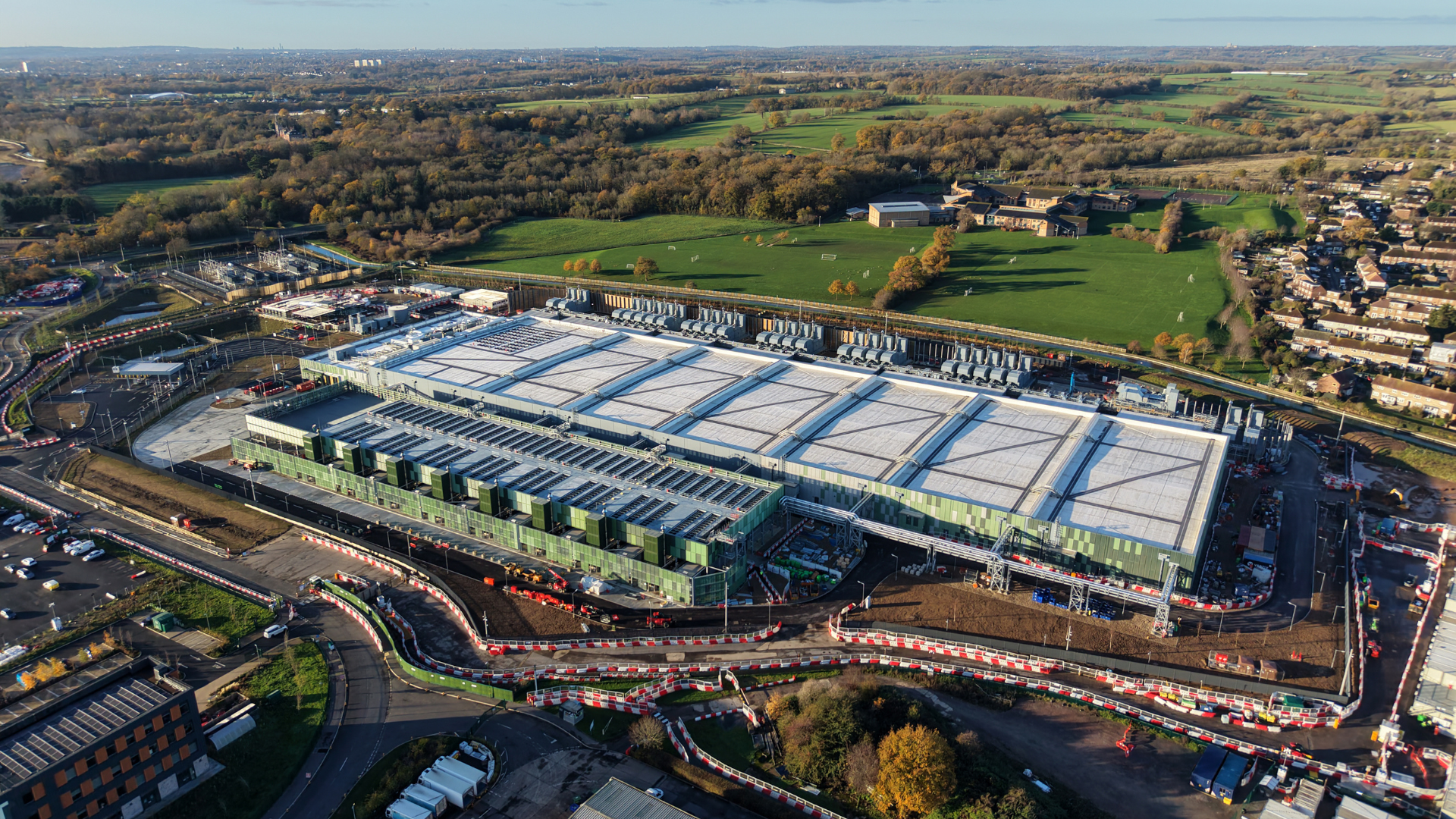
Here’s the rub, though. Right now, this marvel of water-saving tech is primarily implemented at Microsoft’s Fairwater AI data center campus in Wisconsin. It’s the blueprint for future facilities, with more already under construction. And it’s a core part of their ambitious goal to be water-positive by 2030 – meaning they’ll replenish more water than they consume globally. That’s the kind of forward-thinking commitment we need to see.
But let’s not get lost in the future just yet. Microsoft’s Azure cloud spans over 500 facilities. Many of those older giants were built before this new water-sipping architecture. And there’s no announcement of a massive, company-wide retrofit program. So, while the new AI data centers might sip like a cafe, the vast majority of Microsoft’s existing infrastructure is still operating on older, thirstier designs. It’s a bit like saying your new electric car is zero-emission while still driving your gas-guzzler daily.
This isn’t just a Microsoft story, either. The entire AI industry is in a frantic race to build bigger and better AI clusters. Google’s making similar water pledges. The pressure is mounting from communities, from regulators, from anyone with eyes on the environmental cost of our digital ambitions. Large-scale AI projects, once welcomed for economic benefits, are increasingly facing local opposition. It’s the classic tension between rapid technological advancement and its often-unseen, sometimes unwelcome, consequences.
Is This the Future of AI Infrastructure?
What Nadella is showcasing is more than just a clever cooling system; it’s a fundamental redefinition of what AI infrastructure can and should be. It’s moving from a brute-force, scale-at-all-costs mentality to one that integrates with, rather than exploits, its environment. This isn’t about slowing down AI development; it’s about building it sustainably. It’s about recognizing that true progress isn’t just about raw power, but about intelligent, efficient, and responsible deployment.
My take? This closed-loop system, while currently confined to new builds, sets a vital precedent. It forces a conversation about legacy infrastructure and the responsibility companies have to modernize their operations. The “restaurant-level” water use is a brilliant PR hook, sure, but beneath the marketing is a genuine technological leap that points toward a future where AI can grow without draining our planet dry. The real question isn’t just if this tech will be adopted, but how quickly Microsoft and its competitors will scale it, and what they’ll do about the thirsty giants already online.
🧬 Related Insights
- Read more: Baidu’s Robotaxi Nightmare: Dozens Frozen on Highways, Crashes Follow
- Read more: AI Logs In: The Brutal Sunset for Fake-It Managers in Engineering
Frequently Asked Questions
What does Microsoft’s new AI data center cooling system do?
Microsoft’s new AI data centers use a closed-loop liquid-cooling system that recirculates water to cool hardware, drastically reducing the need for continuous fresh water intake, unlike traditional evaporative cooling methods.
Will this new cooling system be used in all Microsoft data centers?
This new closed-loop cooling approach is currently the standard design for newly built AI-focused data centers, such as the Fairwater campus, and is planned for future facilities. A comprehensive retrofit of existing data centers has not been announced.
Is Microsoft aiming to reduce its environmental impact with this technology?
Yes, this new cooling design is part of Microsoft’s broader “Community-First AI Infrastructure” strategy and its longer-term goal of becoming water positive by 2030, replenishing more water than it consumes globally.