So, Italy’s Lombardy region—yes, home of Milan—just decided that building a data center on prime farmland is a really, really bad idea. We’re talking a 100% tax for rural areas, and a whopping 200% if you dare to plop one down on actual agricultural land. The logic? Try to stop these tech giants from gobbling up acres of green space with projects that apparently lack concrete plans. Classic.
It’s like they’re saying, ‘Look, the AI gold rush is on, we get it. We can’t stop progress, but we sure as hell can make it inconvenient and expensive to build these digital behemoths on land meant for growing tomatoes.’ This is the supposed safeguard against ‘exaggerated exploitation of the territory,’ according to regional councilor Massimo Sertori. He sounds like he’s trying to manage a sugar rush in a kindergarten class.
And here’s the kicker: they’re hoping this tax hike will nudge developers towards old, disused industrial zones. You know, the kind of places that were built for operations like these and don’t require developers to, you know, bulldoze a meadow. It’s a neat trick, if it works. Apparently, the US is seeing similar jitters, with one Texas county already looking to rein in AI hyperscalers eyeing rural tracts. Funny how land use, something we’ve argued about since we figured out how to farm, is suddenly the big frontier for tech sprawl.
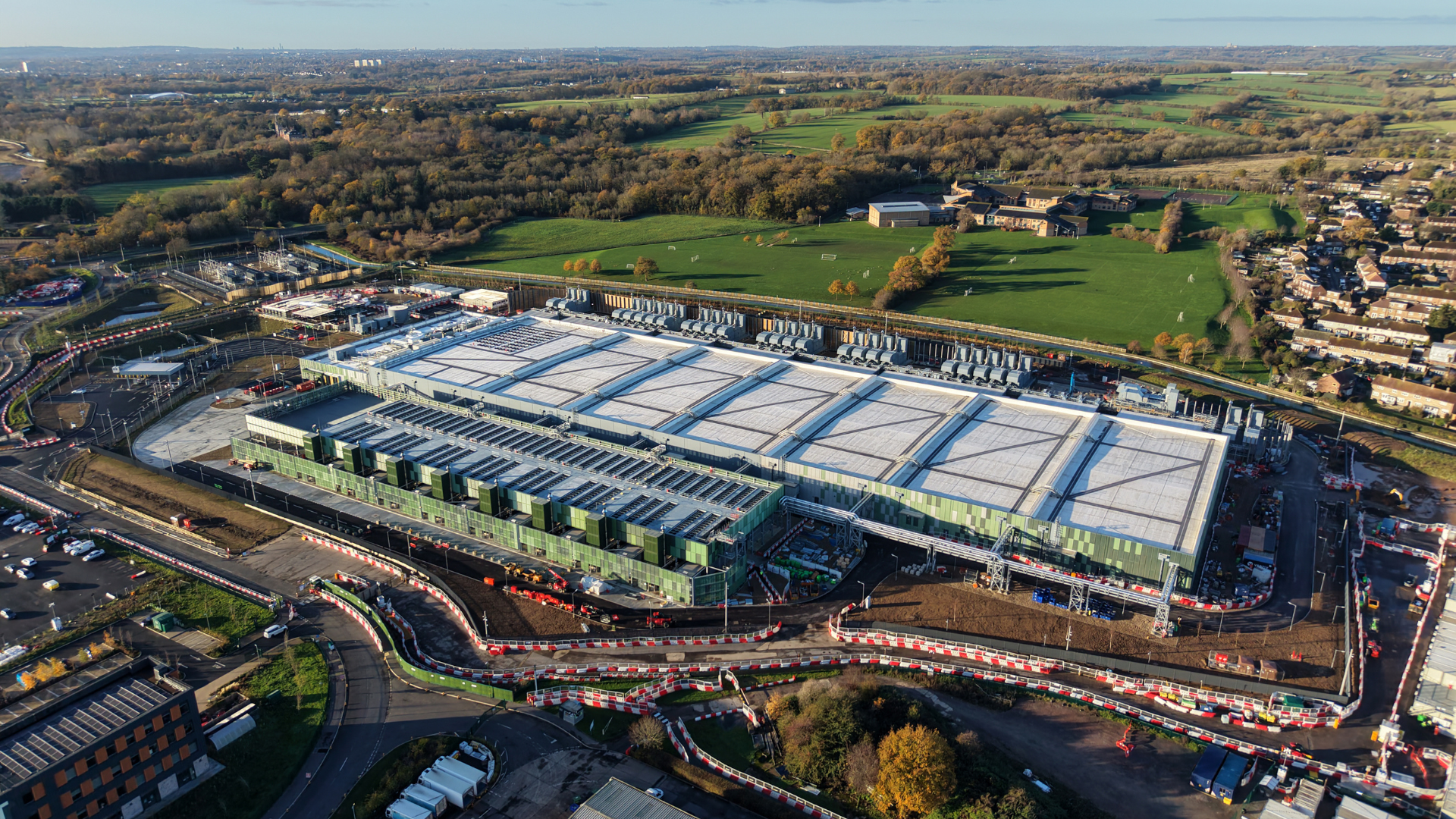
But the real kicker here isn’t just about dirt. It’s about power. Sertori also dropped a bomb: data center applications are hitting 30GW nationwide, with Lombardy wanting more than half. The region’s authorized capacity? A mere 2GB. That’s a chasm, folks. Milan alone is practically a data center farm already, with dozens built, under construction, or pending approval. It’s Italy’s data hub, alright, but at what cost to the grid?
Now, it’s not like Italians are protesting outside data center sites with picket signs. Yet. But the authorities are definitely spooked. They see the “AI revolution” needing massive infrastructure, and they’re trying to avoid the kind of backlash happening elsewhere. It’s the classic Silicon Valley conundrum: build fast, ask questions later, and then deal with the neighbors complaining about the noise and the power bills. Except here, the neighbors are the farmers, and the complaints are about land use and energy.
Some of the opposition thinks this tax isn’t enough. Democrat Matteo Piloni is out there saying it’s a band-aid on a gaping wound. He wants a proper national strategy, not just regional tax nudges. “Neither the government nor the region have put in place stringent constraints,” he gripes. He’s got a point. While Lombardy is trying to fill some perceived void in national policy, is it enough to truly control this runaway train? Or is this just a polite suggestion that will be ignored when the profits get high enough?
Is Italy’s Land Tax a Model for AI Infrastructure Control?
This move by Lombardy is, frankly, one of the more pragmatic attempts I’ve seen in a while to grapple with the sheer physical footprint of AI. For years, we’ve been obsessed with the abstract—the algorithms, the models, the trillions of parameters. But the reality of AI, the stuff that actually runs it and makes it chew through electricity, requires massive, tangible infrastructure. Data centers. And these things aren’t built in a vacuum. They require land, power, and cooling, all of which have real-world environmental and community impacts.
The question is, can a hefty tax on specific land types actually redirect this behemoth? Or will companies simply absorb the cost, knowing that the demand for AI compute is so insatiable? My money is on the latter, at least for the major players. This tax feels less like a deterrent and more like a revenue stream for the region. It’s a shrewd move, no doubt, but it doesn’t address the fundamental resource drain that massive AI compute represents. We’re essentially taxing the symptoms, not the disease.
“We can, however, try to keep the phenomenon under control by avoiding excesses and the exaggerated exploitation of the territory.”
Who’s Actually Making Money Here?
Let’s be honest. The primary beneficiaries of this tax aren’t the local farmers or the environment, not directly anyway. It’s Lombardy’s regional government, which will now collect a significant new revenue stream. It’s also the owners of those disused industrial sites, whose property values just got a nice little boost. The tech companies? They’ll factor this cost into their P&Ls and likely pass it on to their customers, who are—surprise, surprise—everyone else. So, the money flows, as it always does, but the ‘control’ aspect feels more like a managed extraction than a genuine curbing of ambition.
Why Does This Matter for Developers and AI Buildouts?
For developers working on AI infrastructure, this signals a growing awareness—and pushback—against the unbridled expansion of data centers. It means planning will need to be more thoughtful, factoring in regulatory hurdles and public sentiment. It also means that finding cheap, undeveloped land for massive projects might become a thing of the past. Developers will have to weigh the increased costs and potential political headwinds against the ever-growing demand for AI compute power. It’s a complex balancing act, and this Italian tax is just the latest wrinkle.
🧬 Related Insights
- Read more: ClearBank’s EU Stablecoin Push: Euro Coin and USDC Land Amid Hype and Hurdles
- Read more: Data-Driven Pricing: Retail’s AI Edge or Consumer Trap?
Frequently Asked Questions
What does the 200% tax in Lombardy mean for data center construction? It means building a new data center in agricultural zones in Lombardy, Italy, will cost double the usual rate, making it significantly more expensive and less attractive compared to other locations.
Will this tax stop AI development in Italy? No, it’s unlikely to stop AI development entirely. Instead, it aims to guide new data center construction away from farmland and towards existing industrial areas, and to potentially generate revenue for the region.
What are the environmental concerns about data centers? Data centers consume vast amounts of energy for operation and cooling, and their physical footprint can impact land use, water resources, and local ecosystems.