Remember when the shiny new AI thing was supposed to be a rising tide lifting all boats? Yeah, well, it turns out some boats are getting swamped. A gaggle of nine US trade associations, the kind of folks who usually stick to their own corners of the tech kingdom, just sent a rather urgent letter to the Treasury and Commerce departments. Their message? AI data centers are gobbling up memory chips like there’s no tomorrow, and it’s causing a shortage that’s going to clobber the automotive industry, medical devices, and telecommunications. All this, despite the billions we’ve supposedly spent on shoring up domestic chip production. Classic.
These aren’t just minor inconveniences they’re talking about. We’re looking at increased prices for everyday electronics, fatter bills for broadband, production lines grinding to a halt for cars and life-saving medical gear, and federal contractors tripping over themselves trying to meet deadlines. It’s a pretty stark picture painted by groups representing everyone from the guys who build cell towers to the folks who put cars on the road. The letter, conveniently shared with Tom’s Hardware (always a reliable source for this kind of insider grumbling), makes it clear: AI is great, but not if it bankrupts the rest of us.
The Great Memory Heist?
The core of the problem, as these industry titans see it, is that AI accelerators — the fancy processors that power our generative text models and image generators — are demanding a specific kind of memory: High-Bandwidth Memory, or HBM. Companies like Nvidia and AMD are stuffing their latest chips with this stuff, and the hyperscalers, those giants who run massive data farms, are snapping it all up to build bigger and better AI clusters. What does that leave for everyone else? Scraps.
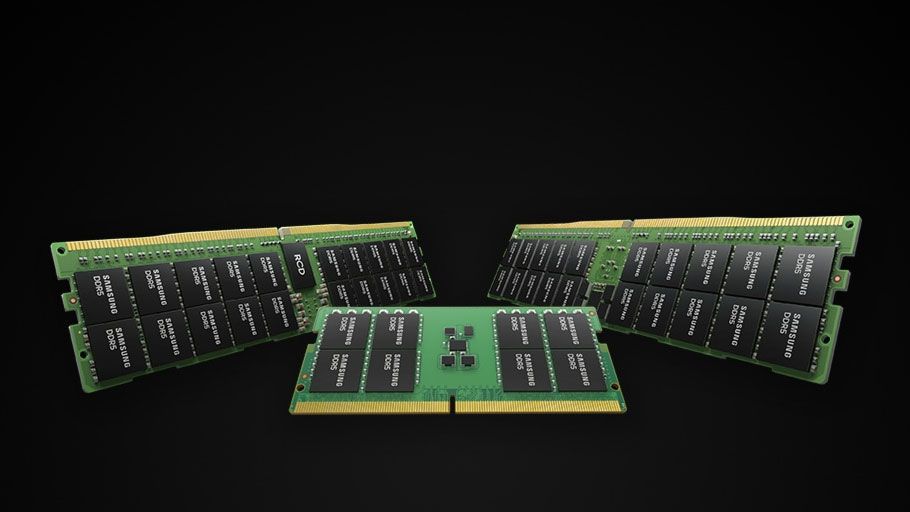
Samsung and SK Hynix, two of the three companies that practically own the global DRAM market (Micron being the third), are reportedly diverting their wafer capacity — the raw material for chip making — to the high-margin, AI-focused HBM. This is starving the markets for standard DRAM and NAND flash, the very chips that go into your laptops, your phones, your servers for, you know, non-AI stuff. And it’s not a temporary blip. Both Samsung and SK Hynix have already warned that these shortages are likely to persist until at least 2027. Even PC market forecasts are getting a haircut, with IDC already shaving off up to 9% for 2026 because, surprise, surprise, memory is scarce and expensive.
This isn’t just another cyclical memory market downturn, the kind we’ve seen a dozen times over my two decades covering this space. The coalition is arguing this is a fundamental, structural shift. AI spending isn’t just a spike; it’s a permanent reshaping of the entire memory landscape. And this letter? It’s the first time such a broad cross-section of industries has formally demanded government intervention. Whether the current administration, with its own set of priorities, will even listen, let alone act, is the billion-dollar question.
Why Does This Matter for the Rest of Us?
So, what’s the actual upshot here? If you’re in the market for a new car, expect sticker shock. Medical device manufacturers are already staring down the barrel of production delays, which could impact patient care. And your internet provider? They might have to pass on increased costs for infrastructure upgrades. It’s a domino effect, and the first domino is being pushed by the insatiable appetite of AI.
The letter lays out a laundry list of asks: speed up memory manufacturing here and in allied nations, use trade deals to beef up supply chains, make sure non-AI industries get their fair share, use existing programs like the CHIPS Act (which, apparently, isn’t solving this particular problem), and cut through the red tape that’s slowing down new capacity. It’s a reasonable set of demands, but will they be met? History suggests that by the time governments sort themselves out, the market has already moved on – or collapsed.
This is the unsexy side of the AI revolution. It’s not about smarter chatbots or cooler image generators; it’s about the nuts and bolts, the silicon wafers, the global supply chains that keep everything else running. And for the first time in a long time, the folks who make the other stuff are telling the AI hype machine to slow its roll.
“While recent developments in AI offer the promise of generational technological advances and are important for US tech leadership, we must also ensure other key industries are not negatively impacted by this disruption in the marketplace.”
It’s a sentiment that’s probably echoing in boardrooms far beyond the data centers. Who is actually making money here, beyond the chipmakers and the AI giants? The coalition is betting that the answer is “not enough people,
🧬 Related Insights
- Read more: AI Infrastructure Serves Millions of LoRA Policies
- Read more: Craft: Cargo for C++ That Actually Works