Look, what does this news mean for you and me, the actual humans trying to buy a decent gadget or, you know, not have our governments locked in a tech Cold War? It means the chess game between the US and China just got a whole lot more interesting. It means that the supposed stranglehold the US thought it had on global tech innovation might be more of a loose grip. And for the companies involved? It’s a masterclass in unintended consequences, served with a side of corporate schadenfreude.
So, Huawei’s Rotating Chairman, Xu Zhijun, casually drops this bombshell: thanks, America, for the export restrictions. He’s not being sarcastic, mind you. He’s practically beaming, crediting Uncle Sam with the “groundbreaking LogicFolding chip architecture” and, more broadly, supercharging China’s entire semiconductor industry chain. It’s like a parent complaining about their kid’s messy room, only the kid then uses the mess to build a rocket ship. And the parent is standing there, applauding.
Did the US Shoot Itself in the Foot?
This is where it gets juicy. The US, in its infinite wisdom, decided to clamp down on Chinese tech giants, particularly Huawei, starting around 2019. Then, the Biden administration doubled down, blocking access to high-end AI GPUs from Nvidia and AMD. The idea? Cripple China’s AI ambitions. The reality? It seems to have forced Chinese firms to do what any good engineer does when faced with a blockade: find a workaround, or better yet, build their own damn solution.
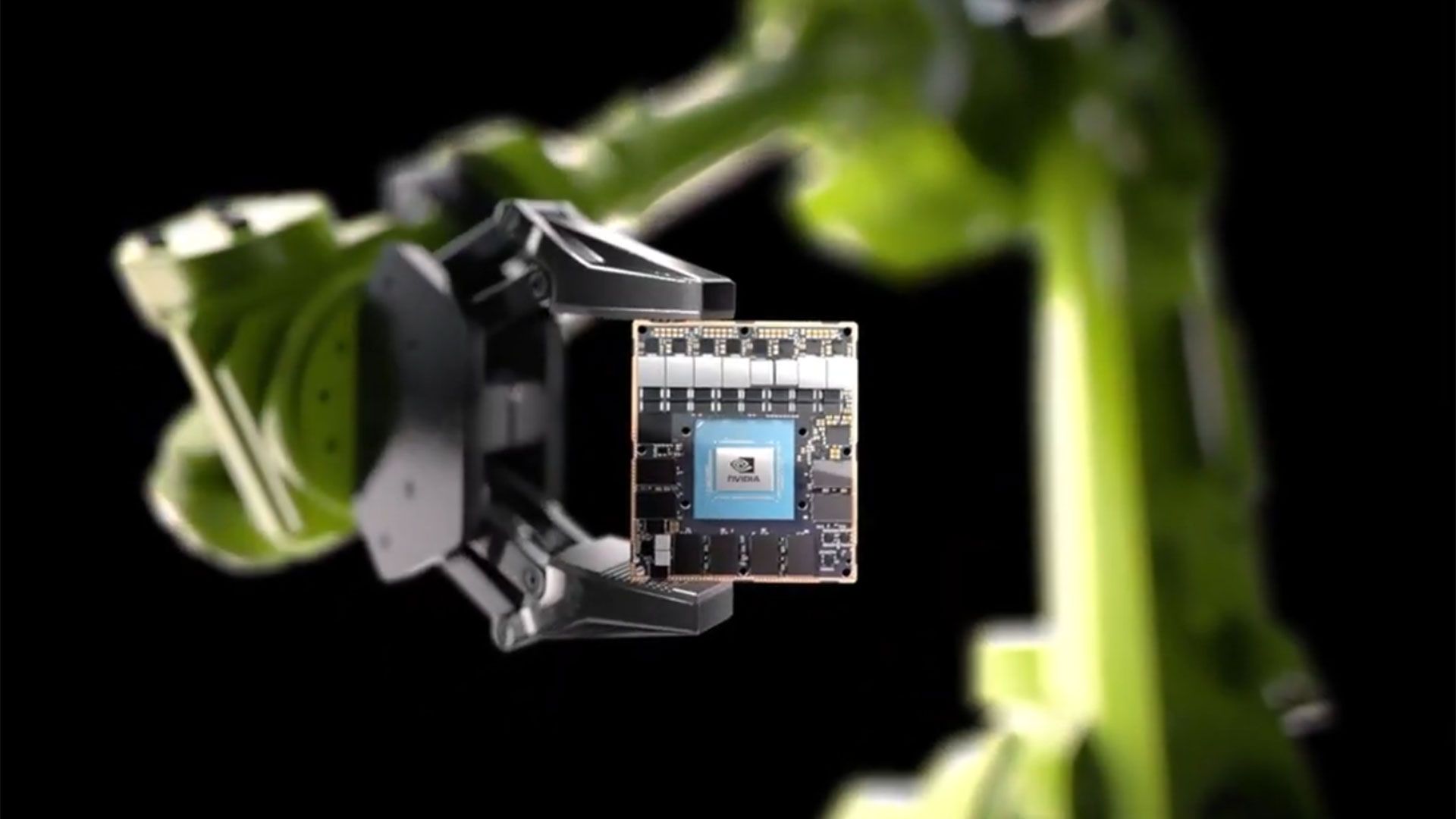
It’s a classic case of cutting off your nose to spite your face, isn’t it? Instead of buying the cutting-edge stuff, Chinese companies started pumping money into domestic R&D. They’re now churning out chips that, while perhaps not as power-efficient, are good enough to compete. Nvidia’s CEO, Jensen Huang, even warned about this. He said keeping tech unavailable would “only force domestic chipmakers to innovate.” And guess what? He was right. Nvidia’s AI chip market share in China has reportedly tanked to zero. Zero! From 95%.
“If the United States hadn’t forced our country, our companies, and our industry, we wouldn’t have done something like this. But we are also grateful to the US for enabling our country’s semiconductor industry chain to truly grow.”
The Great Leap Backward… or Forward?
This isn’t just about Huawei or Nvidia. It’s about the broader geopolitical battle for technological supremacy. The US wants to maintain its lead, and China is determined to catch up, and then surpass. These export controls, meant to hobble China, have inadvertently become a massive R&D grant. Beijing’s push for semiconductor independence, coupled with these US restrictions, has created a perfect storm for domestic innovation. Customs officers are even reportedly blocking top-tier AI chips at the border. It’s a full-blown tech war, and the US might just be supplying the enemy with a roadmap.
The irony is thick enough to cut with a knife. For years, the narrative has been about China’s reliance on foreign tech. Now, thanks to American policy, that narrative is shifting. Chinese firms are building their own tech stacks, developing proprietary architectures, and fostering a domestic ecosystem. This isn’t just about making chips; it’s about controlling the entire value chain – design, manufacturing, software integration. The US might have wanted to put the brakes on China’s progress, but it looks like they just handed them the keys to the accelerator.
And let’s not forget the human element beyond the boardrooms. This means more jobs in China’s semiconductor sector, more investment in STEM education, and potentially, a faster pace of technological advancement across various fields. While the US frets about national security, China is quietly building its future, fueled, in part, by American restrictions. It’s a self-inflicted wound, and the bandage is China’s burgeoning tech industry.
This whole saga is a potent reminder that technological progress rarely follows a neat, linear path dictated by policy. It’s messy, unpredictable, and often, incredibly stubborn. The US tried to play kingmaker, but ended up inadvertently creating its own competition. The game has changed, and the US might find itself playing catch-up in a race it tried to unilaterally stop.
🧬 Related Insights
- Read more: Four Fintechs Vowing to Unclog Banking’s Pipes – Hype or Help?
- Read more: The Dev Who Shipped Code He Couldn’t Explain
Frequently Asked Questions
What does Huawei’s chairman mean by thanking the US for export restrictions?
He’s suggesting that the US sanctions on Chinese tech companies forced China to invest heavily in its own domestic semiconductor research and development, leading to the creation of its own advanced chip technologies.
Will these US export controls actually hurt China’s AI development?
While there may have been initial delays, the primary effect seems to be driving domestic innovation. Chinese firms are developing alternative solutions, potentially leading to a more self-sufficient and competitive AI ecosystem in the long run.
Has Nvidia lost its market share in China due to these bans?
Reports indicate that Nvidia’s AI chip market share in China has fallen significantly, reportedly to zero, as Chinese companies are compelled to use homegrown alternatives.