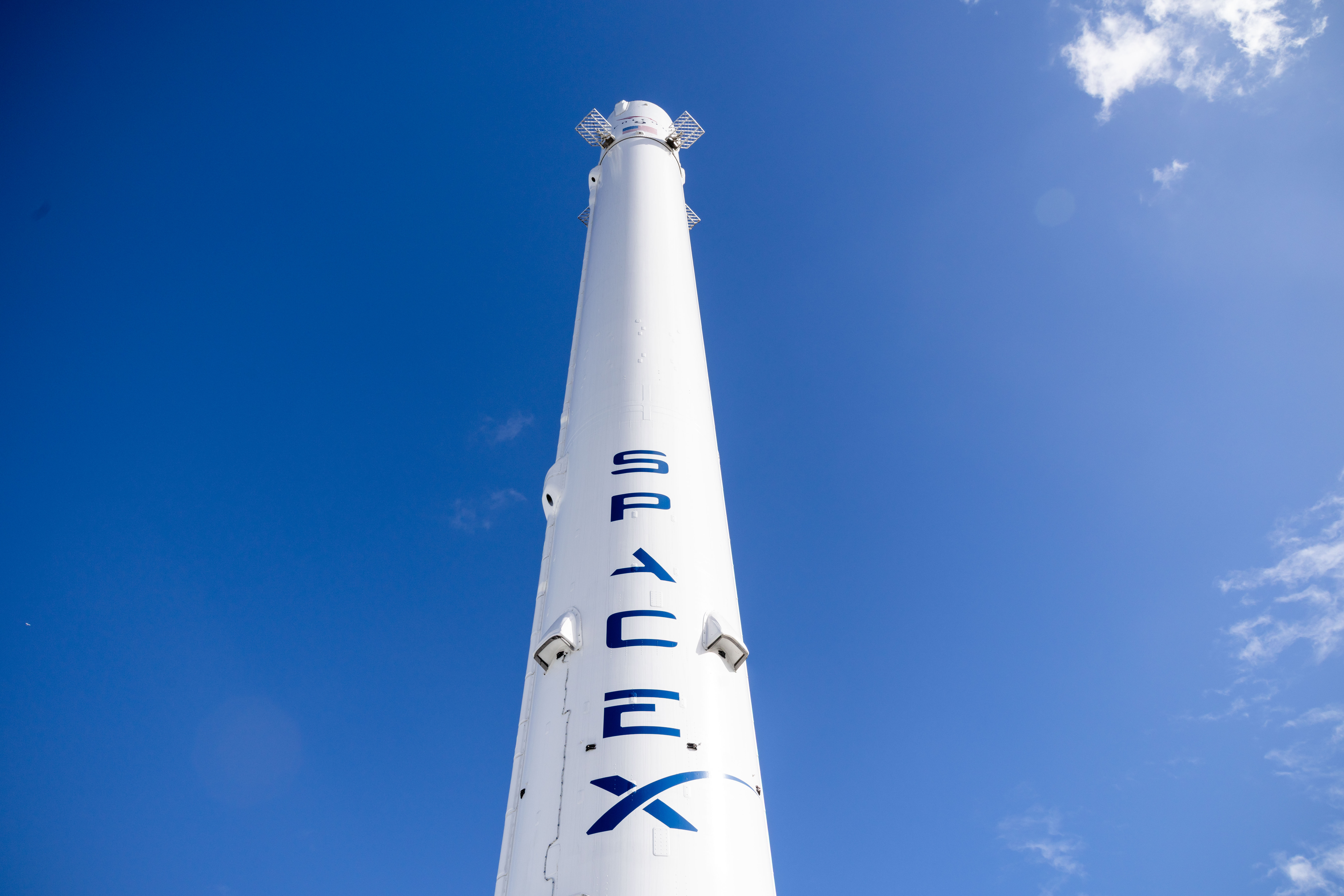
Is a public offering ever truly clean when Elon Musk is at the helm?
SpaceX’s much-anticipated IPO is poised to be more than a celestial event for the stock market. It’s a flashing neon sign pointing to the labyrinthine web of financial and operational ties that bind Musk’s various ventures. Forget the lofty goals of colonizing Mars for a moment; the real story, as always with Musk, lies in the spreadsheets and the inherent contradictions of a single individual holding so much sway across so many competing — and collaborating — entities.
The Tangled Web of Musk’s Empire
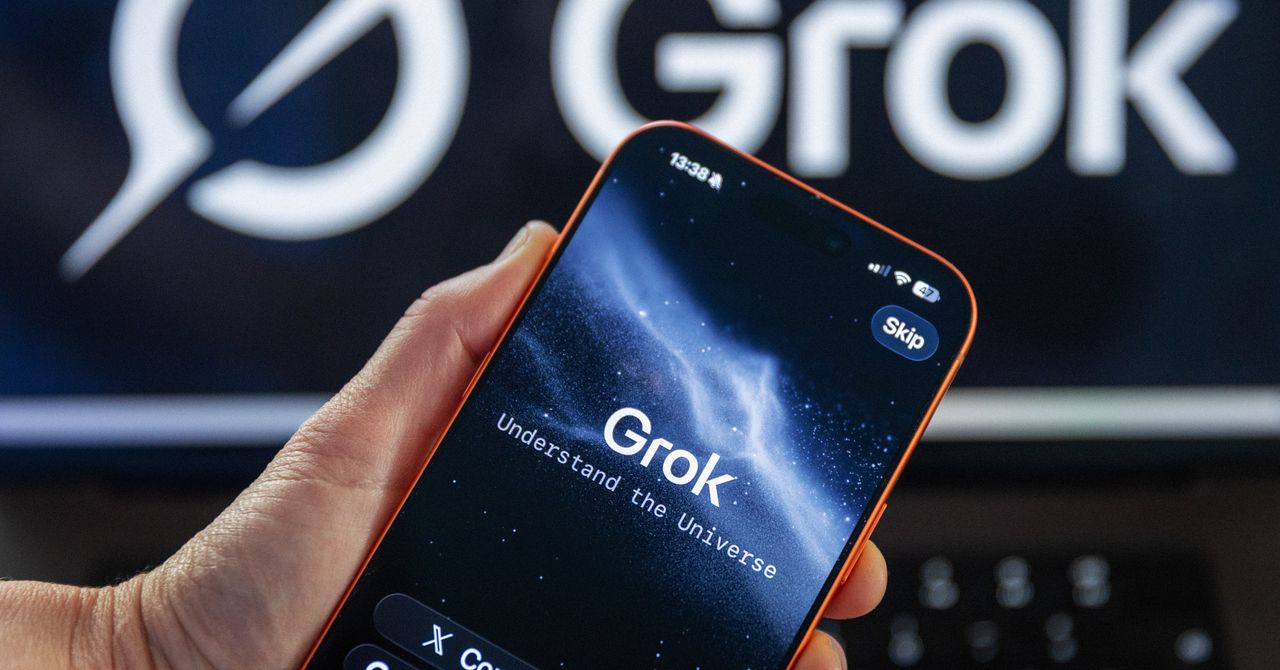
A quick scan of the S-1 filing paints a stark picture. Mentions of Tesla (87 times), xAI (356 times), and X (267 times) aren’t just footnotes; they’re data points in a sprawling narrative of cross-pollination. Even The Boring Company (7) and Neuralink (3) register. This isn’t accidental. It’s a deliberate, albeit complex, integration.
Consider the shareholder structure. Tesla, a publicly traded entity itself, holds nearly 19 million shares of SpaceX Class A common stock. Then there’s the rather significant merger of xAI into SpaceX, a move that converted xAI shares into SpaceX stock. It’s a financial shell game that, while potentially creating synergies, adds layers of complexity that most investors — accustomed to more traditional corporate structures — will find unsettling.
More Than Just Rocket Parts: Tesla’s Automotive & Energy Influence
The financial entanglements extend to tangible goods. SpaceX’s purchase of $131 million worth of Cybertrucks from Tesla at MSRP is eye-watering. Earlier reports suggested around 1,279 trucks, but the IPO filing implies more have been acquired, a move that, as Electrek pointed out, helped prop up Cybertruck’s year-over-year registration numbers. Then there are the $697 million in Tesla Megapacks purchased to stabilize SpaceX’s data centers. These aren’t minor operational costs; they are substantial capital expenditures flowing between Musk-controlled entities. It begs the question: is this astute strategic sourcing, or a creative way to move capital and boost related company performance?
The ‘Risk Factor’ With a Familiar Face
Every company going public must disclose its risks. SpaceX’s filing, however, reads like a character study of its founder. The statement that SpaceX is “highly dependent on the continued services of Mr. Musk” isn’t just boilerplate. It’s an admission that the company’s very existence, its leadership, vision, and technical prowess, are inextricably linked to one man. This dependency, while perhaps fueling innovation, is a massive, unhedged bet.
This dependency is amplified by the explicit acknowledgment that Musk’s focus can — and does — drift. His other ventures are not just potential competitors on paper; the filing concedes that Musk isn’t contractually restricted from engaging in activities that directly compete with SpaceX.
Conflicts of interest could arise in the future between us, on the one hand, and Mr. Musk and entities owned by or affiliated with him, on the other hand, concerning among other things, business transactions, potential competitive business activities or other opportunities….
This is where the analysis shifts from mere observation to sharp critique. While the TechCrunch report highlighting xAI’s substantial losses ($20 billion in capital spending with only 22% revenue growth) offers a snapshot of one challenged venture, the broader implications for SpaceX are more insidious. The S-1 isn’t just listing potential conflicts; it’s detailing a structure where financial losses in one Musk entity could directly impact another, and vice-versa, all under the watchful, and potentially divided, eye of the same CEO. The historical parallel here isn’t just corporate entanglement; it’s akin to the early days of conglomerates where cross-ownership and internal dealings often masked fundamental inefficiencies, only to unravel spectacularly.
The IPO, therefore, isn’t just about SpaceX’s potential for space dominance. It’s about whether investors are buying into rockets, or into a particularly complex and volatile ecosystem orchestrated by a singular, risk-prone genius. The question for Wall Street isn’t if Musk is a risk, but how much of a risk, and whether the potential rewards of venturing into space can truly outweigh the inherent dangers of investing in a company so deeply tethered to its founder’s every move.
What Are The Financial Dealings Between SpaceX and Tesla?
SpaceX has purchased $131 million worth of Cybertrucks from Tesla and $697 million in Tesla Megapacks for its data centers.
How Interconnected Are Musk’s Companies?
SpaceX’s IPO filing details significant mentions and financial transactions involving Tesla, xAI, X, and The Boring Company, highlighting deep operational and financial ties.
Is Elon Musk A Risk Factor For SpaceX Investors?
Yes, the filing explicitly states SpaceX is highly dependent on Musk’s leadership, and his potential conflicts of interest with his other ventures are listed as a significant risk.