Forget the headlines about AI writing entire applications overnight. The real story, the one that matters to developers wrestling with deadlines and debugging nightmares, is about turning these advanced tools from interesting parlor tricks into something genuinely useful. And that’s precisely where the quiet revolution in automated testing for AI code generation enters the picture.
Think about it. You’re not just looking for code that looks right; you need code that works, consistently, under stress, and across diverse environments. This is the bedrock of software engineering. For AI models like Claude Code, designed to churn out snippets and even entire functions, bridging that gap between ‘plausible’ and ‘production-ready’ is the central challenge.
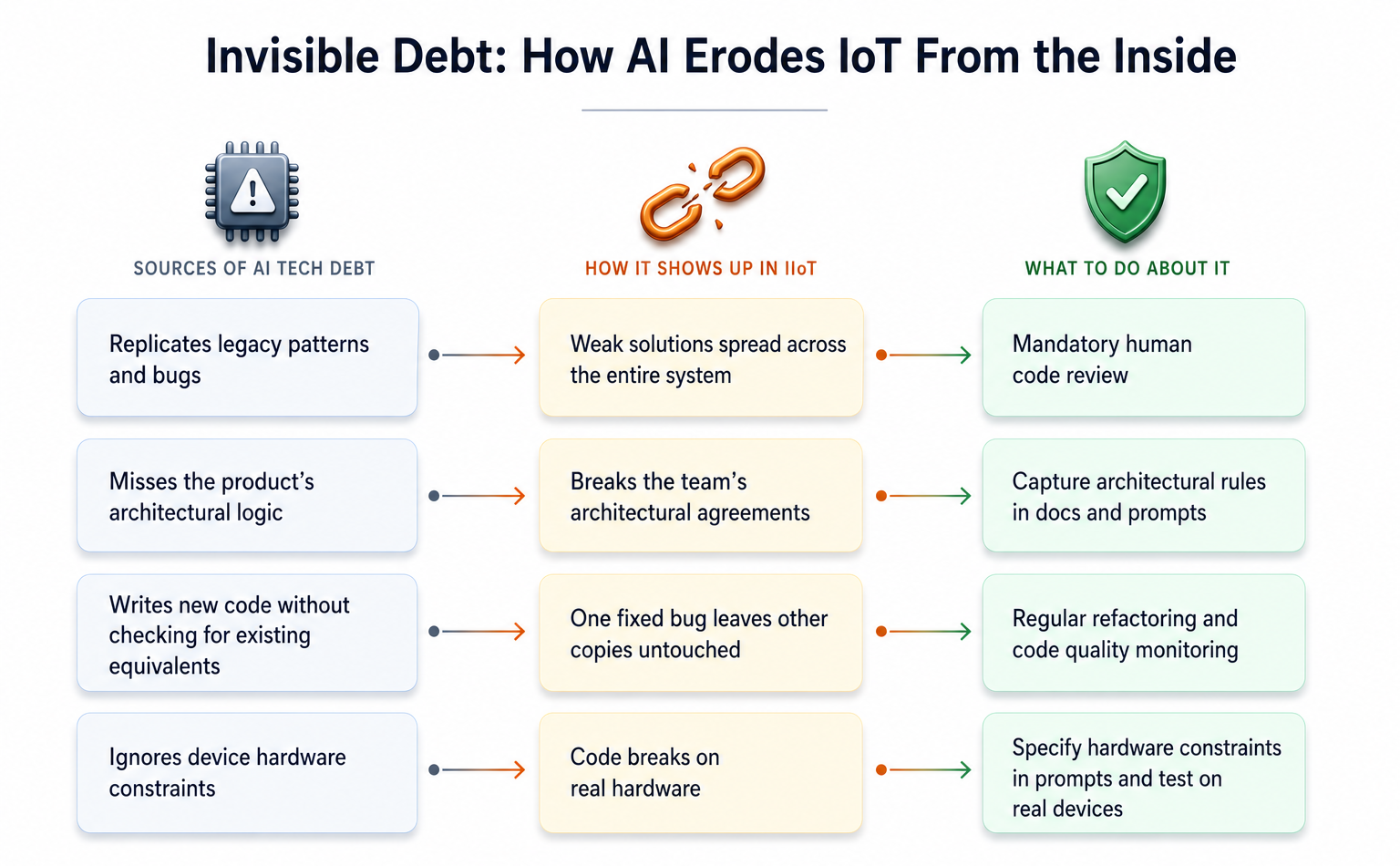
What does this mean for the average developer, the team lead, or even the product manager? It means the days of treating AI-generated code as an immutable gift from the digital ether are numbered. Instead, we’re moving towards a more mature, and frankly, more sensible workflow: AI assists, human engineers validate.
Why Does This Actually Matter for Developers?
At its core, this isn’t about the AI itself getting ‘smarter’ in a vacuum. It’s about the tooling and methodologies we wrap around it. The real breakthrough here isn’t a new algorithm, but a pragmatic approach to integration. The Towards AI article hints at this, but the underlying shift is architectural: we’re building strong feedback loops.
Imagine feeding a complex algorithm request to Claude Code. Without automated tests, you get output. You then manually test it, maybe find a bug, tweak the prompt, and repeat. It’s an iterative process, sure, but one rife with human error and inefficiency. Now, add automated tests into the mix. You prompt Claude Code, and alongside the generated code, a suite of pre-written tests runs in parallel. Did it pass? Great. Did it fail? The tests pinpoint where and why, providing immediate, actionable feedback not just to you, but potentially back to the AI model itself (in more advanced systems).
This is how you scale. This is how you build confidence. This is how you move from ‘wow, that’s cool’ to ‘yes, we can ship this.’
The Skeptic’s View: Is It Just More Boilerplate?
Some might argue this is just adding more busywork – writing tests for code that’s supposed to save you time. But that misses the fundamental point. The human effort shifts. Instead of painstakingly debugging inscrutable AI outputs, developers focus on designing strong test suites and refining prompts based on meaningful failure analysis. This is a higher-level, more strategic application of engineering skill.
The key is to develop a systematic approach to ensure the quality and reliability of code generated by large language models. This goes beyond simply checking if the code compiles; it involves validating its behavior, performance, and security against predefined criteria.
This quote, though from the original piece, encapsulates the paradigm shift. We’re not just using AI to write code; we’re integrating AI into a disciplined engineering process.
This move towards automated testing for AI-generated code isn’t a silver bullet. It requires investment in infrastructure, expertise in test design, and a willingness to adapt established workflows. Companies like Anthropic, or any player in the LLM space aiming for serious adoption in professional software development, will need to either provide strong testing frameworks or see their users build them. The value proposition of Claude Code, or any similar tool, will increasingly be measured not just by the sophistication of its output, but by the verifiability of that output.
Ultimately, this push is about explain AI’s role in coding. It’s about acknowledging that while AI can accelerate creation, human oversight and rigorous validation remain non-negotiable for building reliable software. The real winners will be those who embrace this integration, not those who cling to the naive dream of fully autonomous AI coders.