Has the tech world completely lost its mind chasing artificial intelligence? Seriously, we’re talking about ‘blank checks’ and a gold rush mentality. Meanwhile, a guy named Craig Campbell, with serious Silicon Valley chops—think Meta engineer, successful e-commerce exit—took a hard pass on all that AI hype. He could have had his pick of VC cash. Instead? He decided to build… a website. A plain old, static-ish, map-based website. And you know what? It’s actually working.
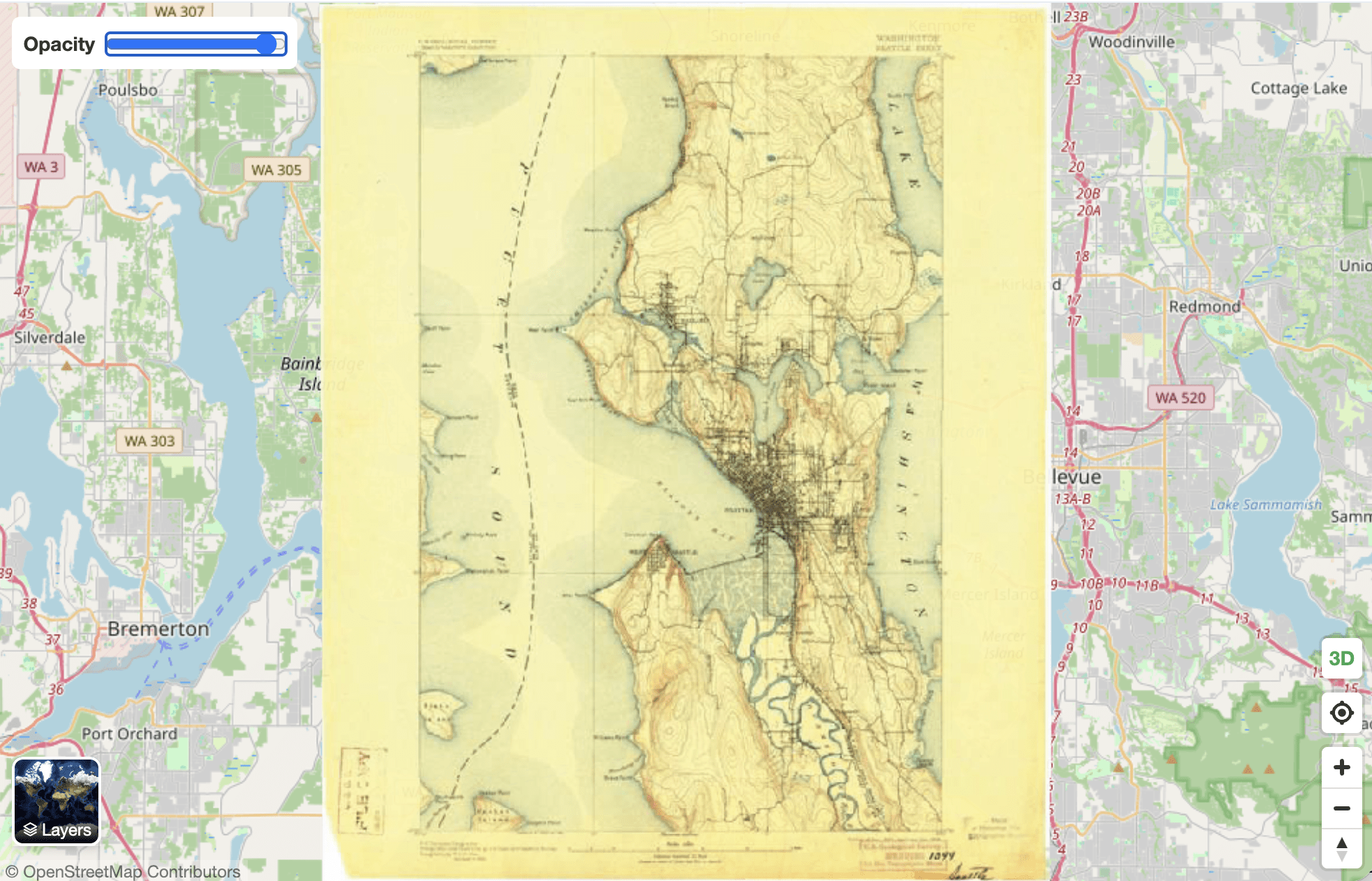
Past Maps, as it’s called, lets you superimpose historical maps onto modern ones. Think medieval village layouts appearing over your current street, or the original course of a river where a highway now sits. It’s not rocket science, but it’s incredibly cool. Campbell built it initially for his metal detecting hobby—trying to find old homesteads or forgotten trails. He tinkered with publicly available data, slapped some modern mapping tech onto it, and shared it on Reddit. Turns out, plenty of people besides treasure hunters find this stuff fascinating.
Who’s using this digital cartography? Genealogists digging into family history, people curious about their town’s past, even someone tracking down old oil well locations. It’s research, sure, but it’s also just plain engaging. Campbell says traffic has ballooned from 20,000 active users a month to over 300,000. Sustainable, family-supported income. He’s making what he used to as a mid-level engineer at Facebook. Not FAANG riches, but, you know, actual money from an actual product.
Why This ‘Old School Web’ Approach Works
Campbell’s mantra? “This is how the web is supposed to work. This is actually the old school web.” And he’s not wrong. While the AI behemoths are gobbling up content and dominating search results with their own generated answers—the so-called ‘Google Zero event horizon’—Campbell’s strategy is almost a direct counter-attack. He’s building value by making information accessible and discoverable through good old-fashioned search engine optimization. He tags his maps, optimizes his pages, and lets Google do the heavy lifting of connecting users with what they want.
It’s a far cry from the ad-flooded, algorithm-chasing world of many modern websites. Past Maps operates on a simple subscription model: a few bucks a week, or a reasonable annual fee. This insulates him from the volatile ad market and the opaque, monopolistic grip of ad tech giants. It’s a direct relationship with the user, and that’s a powerful thing.
Does AI Have a Place Here?
Funny thing is, Campbell isn’t some Luddite railing against progress. He’s actively using AI—just not to build his core product. His customer service, once a multi-hour daily grind, is now handled by a local agent model running on his laptop. It filters spam, triages requests, and even drafts responses. He says it’s cut his customer service time down to about 10 minutes a day. He still has the final say on refunds and cancellations, but the grunt work? AI handles it. It’s a tool, not the business model.
It’s a smart application of AI—using it to automate the tedious, time-consuming parts of running a real business, rather than trying to build an entire business out of AI itself. This is the kind of pragmatic, value-driven innovation we used to see before the VC money started flowing like cheap champagne.
“This is how the web is supposed to work. This is actually the old school web,” he says. “It is alive and well, but only in these really, really small niches.”
Campbell’s success isn’t just about maps; it’s a refreshing reminder that fundamental principles of value creation—solving a real problem, making information accessible, and building a direct relationship with your customers—still hold immense power. He’s not trying to predict the future of the internet; he’s just building a really useful corner of it.
🧬 Related Insights
- Read more: Browser Tools That Let You Build Manga Without Dropping $50 on Software
- Read more: Blank Resume Blues: Hacking a No-Experience Tech Resume That Lands Gigs
Frequently Asked Questions
What does Past Maps actually do? Past Maps allows users to overlay historical maps onto modern-day maps, enabling exploration of past landscapes and locations. It’s built using publicly available map data and custom tooling developed by founder Craig Campbell.
How does Past Maps make money? Past Maps operates on a subscription model, offering weekly and annual passes for access to its full features. This subscription revenue provides a stable income stream, independent of advertising.
Will AI replace websites like Past Maps? While AI can be used as a tool to enhance operations (like customer service, as Campbell does), the core value of Past Maps lies in its curated data and user experience, which are not directly replaced by AI. The “old school web” model, focused on niche value and direct user engagement, remains viable.