This isn’t just about numbers on a balance sheet, or a dry warning from a committee in Basel. This is about the very scaffolding holding up the most talked-about technological leap of our generation – Artificial Intelligence – and the very real tremors of instability brewing beneath it.
The Financial Stability Board, a rather important global outfit that keeps an eye on how the world’s banks and financial systems are playing nice (or not), has just dropped a report that’s sending ripples through the industry. And their big, flashing neon sign? That the very private credit industry bankrolling the AI gold rush could be a ticking time bomb.
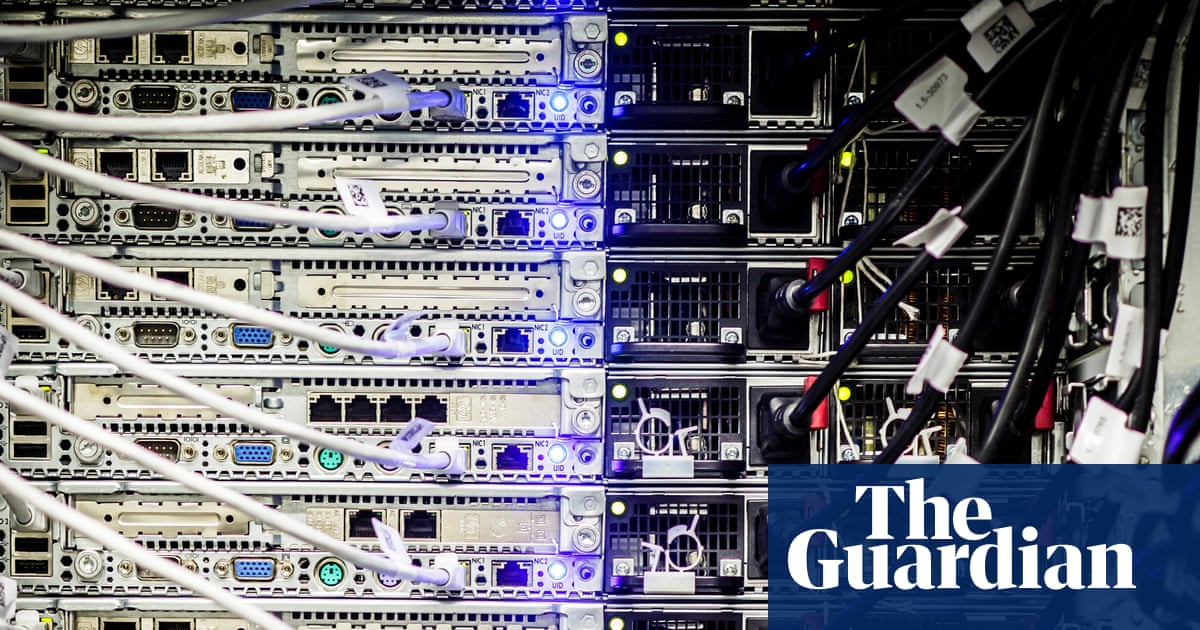
Think of it like this: we’re all mesmerized by the AI wizardry, the slick chatbots, the image generators that conjure dreams from thin air. But behind the curtain, the sheer energy demand of these systems – the humming, whirring, power-guzzling datacenters – needs colossal amounts of cash. And increasingly, that cash isn’t coming from your neighborhood bank; it’s flowing from the less regulated, less transparent corners of the financial world: private credit lenders.
The Unseen Engine of AI
The numbers are stark. The AI industry has gone from a modest 17% of private credit deals in the last five years to gobbling up over a third in 2025. This isn’t just a growing appetite; it’s a full-blown feeding frenzy. And that’s precisely where the FSB’s alarm bells start to clang.
Their concern? When you pour all your eggs into one particularly sizzling basket – in this case, AI infrastructure like datacenters – you become incredibly vulnerable. A jolt to that specific industry, perhaps a sudden electricity shortage (a critical factor, mind you), or even a miscalculation leading to too many datacenters chasing too little AI demand, could cause AI company valuations to tumble faster than a dropped smartphone.
And for the private credit investors who’ve been gleefully funding this sprint? We’re talking “sizeable” losses. Not just a little oopsie, but the kind of financial gut-punch that makes headlines.
Why the Opaque World of Private Credit is a Problem
Here’s the real kicker: private credit operates in the shadows of traditional banking. These lenders use investor money, not depositor funds, to make loans. While proponents tout their agility and tailored deals, the FSB points out a sobering reality: their borrowers often have poorer credit scores and bigger debts than those who’d traditionally queue up at a bank. It’s akin to a high-stakes poker game played with less information and higher stakes.
And the tentacles reach even into the regulated world. Traditional banks, eager not to miss out on the action, are increasingly intertwined with private credit funds. They’re lending to the funds themselves, buying into riskier portfolios, or even co-lending to the same companies. This means the opacity of private credit is bleeding into the mainstream financial system, a contagion risk the FSB is rightly worried about.
The FSB report highlights recent collapses like those of US auto companies Tricolor and First Brands, which were heavily backed by private credit. These weren’t just isolated incidents; they were stark examples of how interconnected banks can become in this complex web, suffering losses when these opaque deals go south. It raises a disquieting question: were these lenders too lenient, too eager to throw money at the problem without proper due diligence?
“This focus on specific sectors may leave private credit funds exposed to idiosyncratic risks … [and] increase exposure to region or industry-specific shocks,” the report warned.
Is This the Next Financial Crisis in the Making?
While the AI boom feels like a shiny, unstoppable force, the FSB’s report is a stark reminder that financial stability isn’t built on hype alone. It requires transparency, sound risk management, and a healthy dose of skepticism.
This isn’t to say AI is doomed. Far from it. But the way we’re funding its infrastructure might just be. The private credit industry, in its rush to capitalize on the AI frenzy, is essentially acting as the high-octane fuel. But if that fuel is unstable, the whole engine could sputter and die, taking a significant chunk of the AI revolution down with it. It’s a wake-up call that the dazzling future being built might be teetering on a foundation of very shaky financial ground.
🧬 Related Insights
- Read more: Cloudflare’s Isolates Sandbox AI Agents 100x Faster
- Read more:
Frequently Asked Questions
What does the Financial Stability Board (FSB) do? The FSB is an international body that monitors and makes recommendations about the global financial system. It brings together national financial authorities to improve their cooperation and coordination.
Will the private credit industry collapse because of AI? The FSB’s report warns of potential “sizeable” losses and a “sharp correction” in asset valuations, particularly within the AI sector’s reliance on private credit. It highlights risks but doesn’t predict a complete collapse.
How does private credit differ from traditional banking? Private credit lenders use investor funds, not customer deposits, to make loans. This often means they operate with less regulation and may lend to companies with higher risk profiles than traditional banks would consider.
What are the risks associated with AI datacenters? Key risks include significant electricity demand, potential oversupply if demand for AI services doesn’t keep pace with datacenter construction, and dependence on critical infrastructure like power grids.
Could AI’s funding problems impact my investments? If private credit investors face significant losses, it could impact the performance of investment funds and potentially expose traditional banks to those losses, which could indirectly affect broader markets.