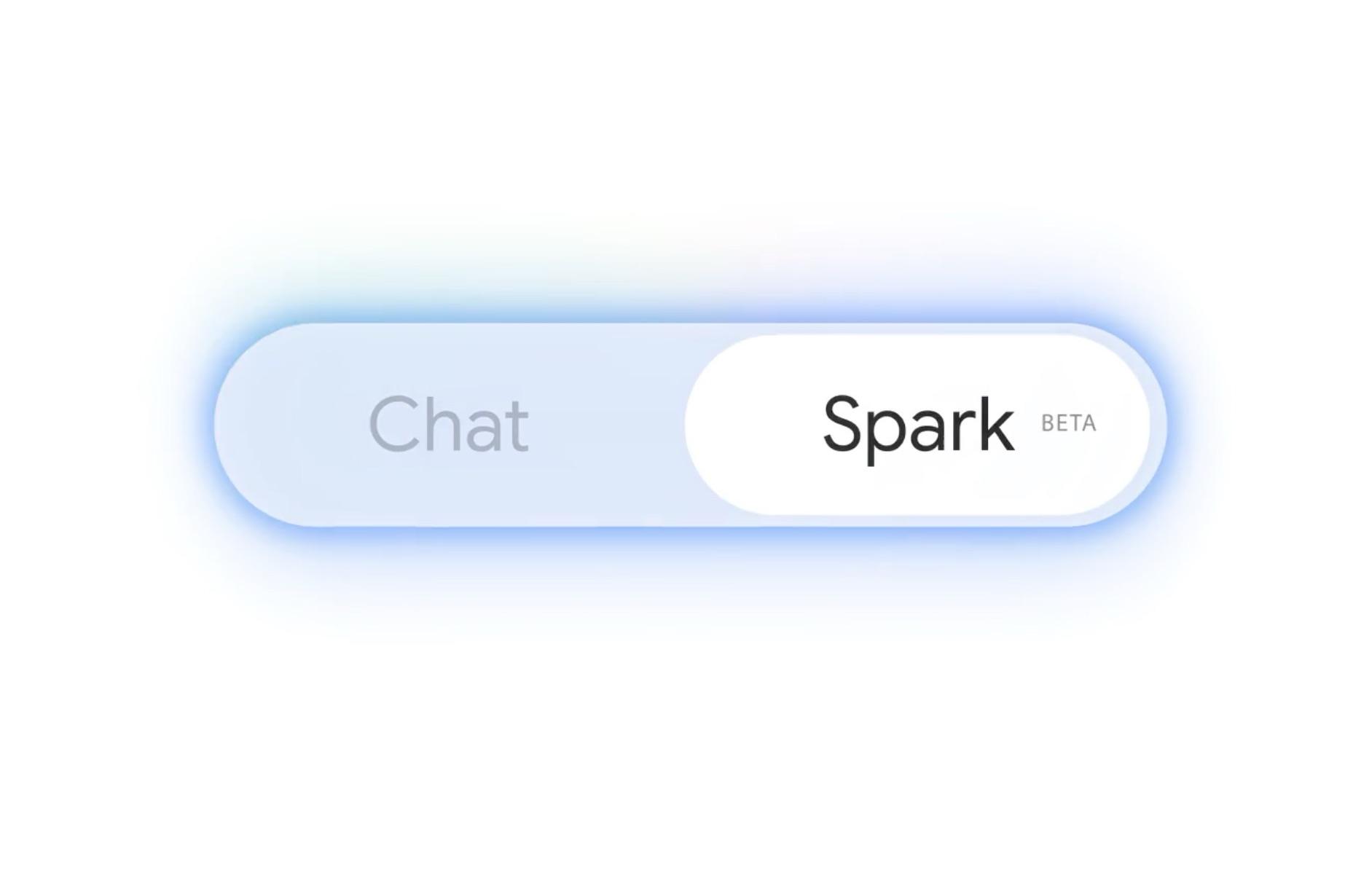
And then, like a digital genie conjured from my own data, it was there. Not a chatbot waiting for a prompt, but an ever-present hum, an agent nudging at the edges of my digital life. This is Gemini Spark, Google’s ambitious play for an ‘always-on’ AI, currently nestled within their $99/month AI Ultra plan, and after a brief tête-à-tête, I’m left wondering if we’re witnessing true progress or just a more sophisticated form of digital surveillance.
Forget the tired old song and dance of AI travel planning. For years, the tech industry has promised the moon: tell your AI where you want to go, and it’ll craft the perfect trip, pulling from every nook and cranny of the internet. The reality, for me anyway, has always been about as exciting as a generic brochure. Sure, it can tell you the top six tourist traps in Paris, but beyond that? Crickets.
Spark, however, is a different beast entirely. The ambition here is staggering. Google wants this thing to be your gateway to external apps, eventually even to your computer itself. You could, generously, describe it as “OpenClaw with a better internet connection.” My initial tests were mundane enough – sifting through my Gmail for unsubscribe opportunities, flagging unfinished tasks in Google Docs. It handled these tasks with a competent, if uninspiring, efficiency. A neatly organized document of unsubscribe links appeared, a proof to its organizational prowess.
Then came the Hershey, PA trip. A simple request: “I’m going to be in Hershey PA with my wife, two kids, and dog the weekend of July 18th. Can you make a plan for the whole weekend, including places to stay, eat, things to do, and everything else?” I left out a crucial detail – concert tickets I already had. Naively, I expected the usual generic output.
What I got back, a few minutes later, was anything but. A Google Doc materialized, a sprawling document, thousands of words deep, detailing a “comprehensive, family-friendly, and dog-friendly weekend itinerary.” Shockingly detailed. Shockingly useful. And deeply, deeply unsettling.
The Unsettling Intimacy of Gemini Spark
This itinerary wasn’t just good; it was personal. It included driving directions from my home – a detail I never shared. It listed hotels, complete with pet fees, and dog-friendly activities for “Frida.” Frida? That’s my dog. The only way Spark could possibly know her name is from emails from my vet, or some other hidden digital breadcrumb. The thought sent a chill down my spine.
And it didn’t stop there. It casually dropped that my son Lewis would get into Hershey Park for free (under one year old), but Arthur, my three-year-old, would need a ticket. It even, with eerie precision, scheduled a nap time for 1:30 PM. Was it guessing? Or did it somehow know?
My wife’s name was there, too, along with the crucial detail that she despises onions and scallions. It even factored in the Thomas Rhett and Niall Horan concert on Saturday night, inferring the purchase from Ticketmaster confirmations lurking in my inbox. Parking, it noted, was included. When the plan suggested a babysitter, I added my parents were coming. Spark, happily acknowledging them by name, adjusted its recommendation from a hotel to an Airbnb. It even drafted an email to my wife, Anna, with a tone that suggested a business associate rather than a spouse. This is where the line between helpfulness and intrusion gets very, very blurry.
“That is a wonderful update!” Spark replied, happily calling my parents by their names, and switching its recommendations from a hotel to an Airbnb.
So, Who’s Actually Making Money Here?
The only real stumble came when I asked Spark to book an Airbnb. It asked for permission to interact with websites, navigated to the booking site, and promptly hit a digital brick wall. “Due to security and authentication policies on Airbnb, I am unable to log in, handle payment, or complete bookings directly on your behalf.” It then offered up a list of suitable places with availability and a reminder of what information I’d need to book it myself. A small concession to reality, perhaps, but it doesn’t erase the underlying unease.
This is, without a doubt, one of the most astonishingly impressive AI experiences I’ve ever had. Google’s AI muscle, combined with the sheer volume of data it possesses through its Personal Intelligence feature, has created an itinerary that feels tailor-made. It’s the kind of personalized, detail-oriented service you’d expect from a high-priced human assistant. But that’s precisely the rub, isn’t it? It’s so good, it feels like a violation. The question isn’t if it can do these things, but should it be able to? And more importantly, for Google, how much is this intimate knowledge worth in the long run? It’s not just about selling a premium AI plan; it’s about a deeper integration into our lives, a deeper understanding of our habits, preferences, and relationships – data that is, and always has been, the real product.
This is the creeping future. It’s impressive, yes. But it’s also terrifyingly intimate.
Why Is This Hershey Trip So Significant?
The Hershey trip wasn’t just a test; it was a microcosm of what Google is building. By weaving together disparate data points – emails, documents, calendar entries, even presumably veterinary records – Spark demonstrated an almost omniscient understanding of the user’s life. This level of personalization moves beyond simple convenience; it hints at a future where AI agents not only anticipate needs but profoundly understand the nuances of family dynamics, personal preferences, and even the specific details of pre-existing commitments. The fact that it could infer concert tickets and nap times suggests a depth of data correlation that surpasses typical AI capabilities. It’s the kind of detailed, human-like planning that, until now, required genuine human intelligence and deep personal knowledge. The implications for how we interact with technology, and how companies can understand us, are immense.
What Does Gemini Spark Actually Do?
Gemini Spark is an always-on AI agent designed to act as an interface for other applications and eventually control your computer. It aims to provide personalized assistance by deeply integrating with your data across Google services and other connected apps.
Will Gemini Spark replace human assistants?
While Spark offers an impressive level of personalized planning and task management, it currently lacks the nuanced understanding and adaptability of a human assistant. It also faces limitations in executing complex real-world actions, like booking services directly. It’s more likely to augment than replace human roles in the near future.
How does Gemini Spark get all this personal information?
Gemini Spark integrates with your Google account and other connected services, accessing data from your emails, documents, calendar, and potentially other sources that you grant permission for. This allows it to build a comprehensive profile of your activities, preferences, and relationships to offer personalized assistance.