Here’s the rub: if you’re trying to write a book about how AI reshapes reality, and you start using it as a research partner, you’re already in trouble. Even with stringent hygiene, believing you can double-check everything is a fool’s errand. Just ask Steven Rosenbaum, whose book ended up riddled with misattributed and outright fake quotes. He admitted the output was “staggeringly wrong.” And he’s not alone. Short stories lauded for their brilliance have been later smeared with AI-generation accusations. Every time I hear about a journalist snookered by AI-generated falsehoods, I shudder. It’s a slippery slope, and I steer clear, treating AI results in search engines like a digital plague. Engage with it, and it seeps into your synapses.
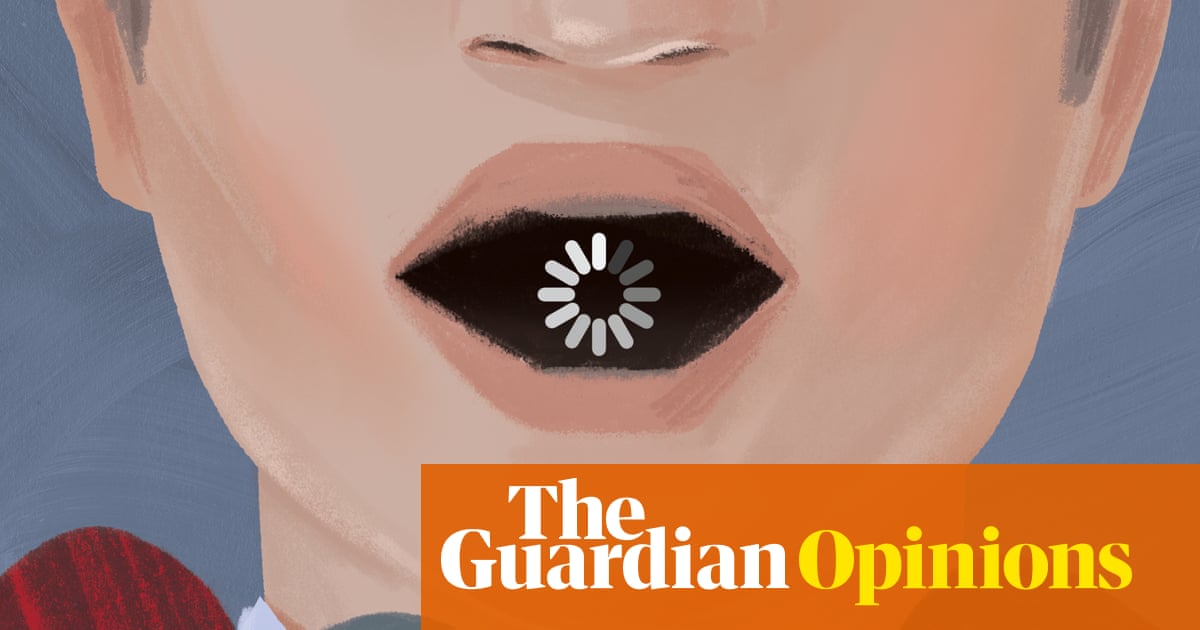
This isn’t just about AI being a dodgy research assistant. It’s about its voice. A tinny, repetitive chant echoing from customer service bots to social media drivel and corporate press releases. It’s the blandness, the excessive informality masking a lack of substance. The cheerful, utterly fake “Hi there! Hope all is well.” The infuriating preamble before delivering the actual point, if it even has one. It makes you wonder if your own writing is starting to sound like it. Assimilated. Bland. Overexposed.
What’s the actual cost? Writing isn’t merely stringing words together in a fashionable style. It’s the singular magic of an individual mind, forged by a unique history, quirks, politics, and worldview, making something new. AI can churn out a thousand imitations, but it can’t birth a truly iconic voice. It can only remix the existing chorus. Derivation, not creation.
Then there’s the atrophy. The slow death of the struggle for the perfect word, the vivid image. Want to save five minutes on a deadline? Ask AI for a killer line. Or, you could actually think, grapple, and discover. Resisting AI feels like trying to hold your breath in a world full of airborne viruses. This column’s clumsy simile? It’s mine. It helps me articulate my thoughts. Relying on AI for everything, from research to prose, severs the vital link between genuine feeling and its expression. It drains the color, suffocates nuance, and kills the surprise of your own subconscious surfacing. When tech’s sole aim is to slash labor, it ends up hobbling consciousness. Unshockingly, research confirms that leaning on large language models can dull your brain.
And the truly grim part? This cauterization of the self is perfectly aligned with our current political and informational swamp. AI floods social media with authoritative-sounding pronouncements on everything from global conflicts to fabricated personal dramas. It fuels the numbing drone of political discourse, epitomized by the Keir Starmer-esque avoidance of substance. The result? Loud, extremist voices feast on disinformation, while centrists cower, terrified of upsetting the status quo. Any actual ideas or policies are buried under a veneer of carefully modulated neutrality, lest they betray an ideology.
So yes, call me a Luddite. Accuse me of a moral panic. It’s easy to dismiss this as a fear of democratized knowledge and easier writing. But the calibration is fatally flawed, blurring genuine AI use with its pervasive, soulless sound. There’s a touch of witch-hunt in the AI detectors, a frantic response to the bewildering intrusion of that flat affect into everything we read and write.
“Anyone who is a working writer today who sits in front of a computer,” said Rosenbaum, “either doing longform or on deadline or at magazines, whatever the cadence of your work is, you’re using AI one way or another at least in part because it is not only seductive as hell bu
The seductive pull is undeniable. It promises efficiency, ease, and a veneer of competence. But at what cost to our intellectual vitality and our ability to communicate genuine human experience?
Is AI Actually Killing Creativity?
It’s not so much killing creativity as it is homogenizing it. AI draws from vast datasets of existing human output. Its “creativity” is a sophisticated form of pastiche, rearranging and reinterpreting what’s already been done. It can generate novel combinations, but it struggles to originate truly new artistic or intellectual movements. This can lead to a proliferation of technically proficient but ultimately derivative work, making it harder for genuinely original voices to cut through the noise.
Why Does This AI Voice Suit the Political Moment?
The AI voice’s lack of distinct personality, emotional nuance, and ideological commitment makes it ideal for an era of curated public personas and strategic evasion. Politicians and public figures can use AI-generated content to craft messages that appeal broadly without alienating specific groups, or to avoid taking firm stances. In a landscape saturated with information and disinformation, a neutral, authoritative, yet ultimately hollow tone can be surprisingly effective at filling airwaves without sparking genuine controversy or deep thought. It’s the perfect mask for a lack of conviction.
How Can Writers Resist AI’s Homogenizing Influence?
Authenticity is key. Writers must actively cultivate and showcase their unique voice, drawing on personal experiences, specific perspectives, and a willingness to embrace linguistic quirks and even imperfections. Embracing the struggle of writing—the research, the drafting, the rewriting—is crucial. Moreover, writers need to be transparent about their use of tools. If AI is used for research or editing, it should be acknowledged. Ultimately, a commitment to originality and a deep understanding of what makes human expression distinct are the best defenses against the tide of AI-generated blandness.
**
🧬 Related Insights
- Read more: Coca-Cola and Ferrari Job Offers Hijacking Your Google Accounts in Real Time
- Read more: Doctor No’s Demise: Block Prompts, Not Productivity
Frequently Asked Questions**
What does AI’s ‘vapid voice’ actually mean? It refers to the often bland, overly formal or informal, emotionally detached, and generic prose generated by AI language models, lacking the nuance, personal history, and unique perspective of human writing.
Will AI replace human writers? While AI can automate certain writing tasks and assist with content generation, it’s unlikely to replace skilled human writers entirely. The ability to inject personal voice, original thought, critical analysis, and emotional depth remains a human domain.
How does AI’s writing style compare to human writing? AI writing tends to be more predictable, grammatically perfect (though not always factually correct), and lacks the idiosyncrasies, emotional resonance, and unique stylistic flair that human writers develop through personal experience and intention.