Google Abandons Browser Agents as Terminal Tools Dominate
Google's pulling the plug on its flashy browser agent dreams. Terminal-based tools like OpenClaw are stealing the show, and the numbers back it up.
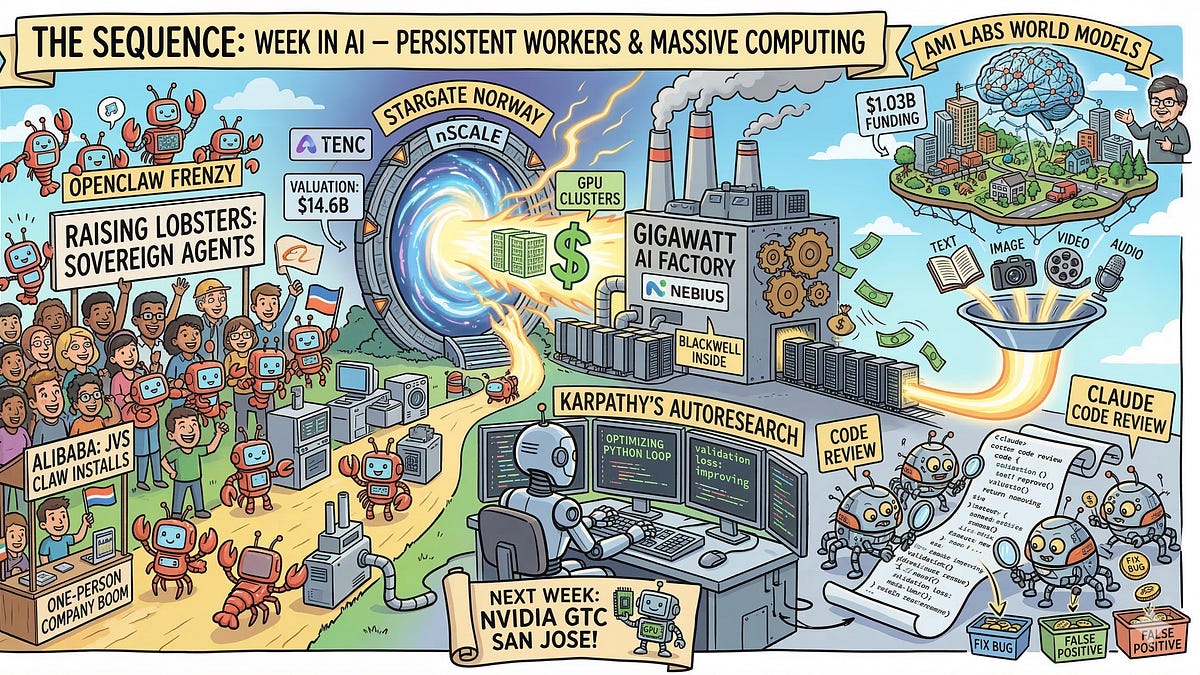
Workshops drawing hundreds across China. Grandmas queuing for 'lobsters' that promise riches. Reality? A tech feast for giants, crumbs for the rest.
Europe's biggest seed round ever: $1.03 billion for Yann LeCun's anti-hallucination AI startup. Meanwhile, self-coding agents and China's lobster frenzy hint at one-person empires—or total chaos.
OpenClaw's blowing up GitHub. Here's why it's not the agent revolution it's cracked up to be—yet.
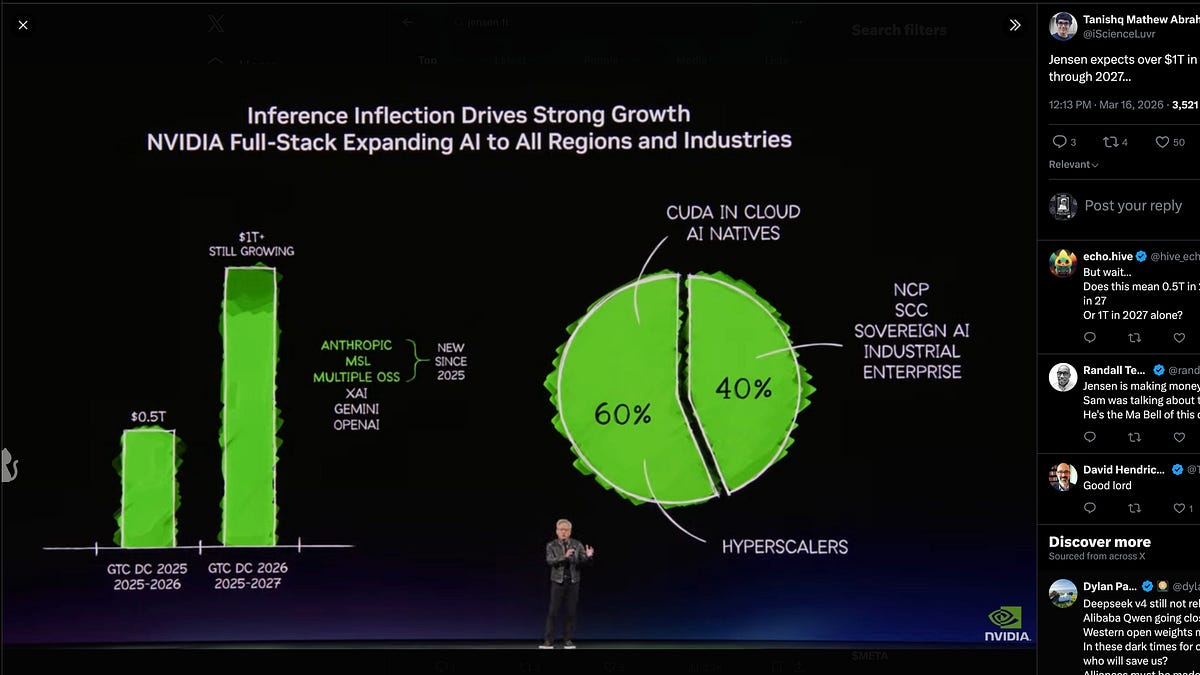
Jensen Huang's GTC keynote wasn't just updates—it was a declaration of NVIDIA's AI supremacy. From OpenClaw endorsements to Vera's CPU ambitions and a staggering $1T backlog, here's the data behind the dazzle.
Agents are posting, scheming, and scamming on Moltbook, a social network built just for them. Humans? We're already outsiders in this digital fog.
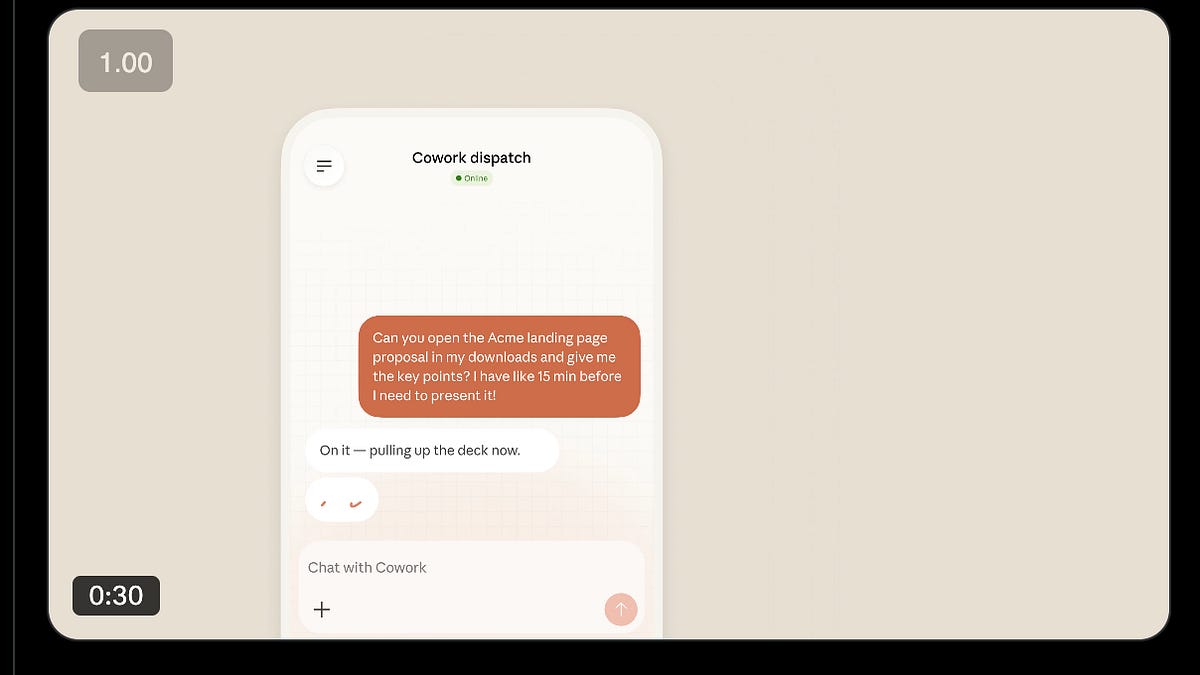
Anthropic was supposed to fumble the agent race. Instead, Claude Cowork lands as a direct OpenClaw challenger, baked with secure sandboxes and Electron smarts. This isn't hype—it's architecture catching up to the hype.
Fingers crossed — literally — as I tweak OpenClaw's params for the tenth time. This 'revolutionary' claw tool? More like a Valley sideshow.
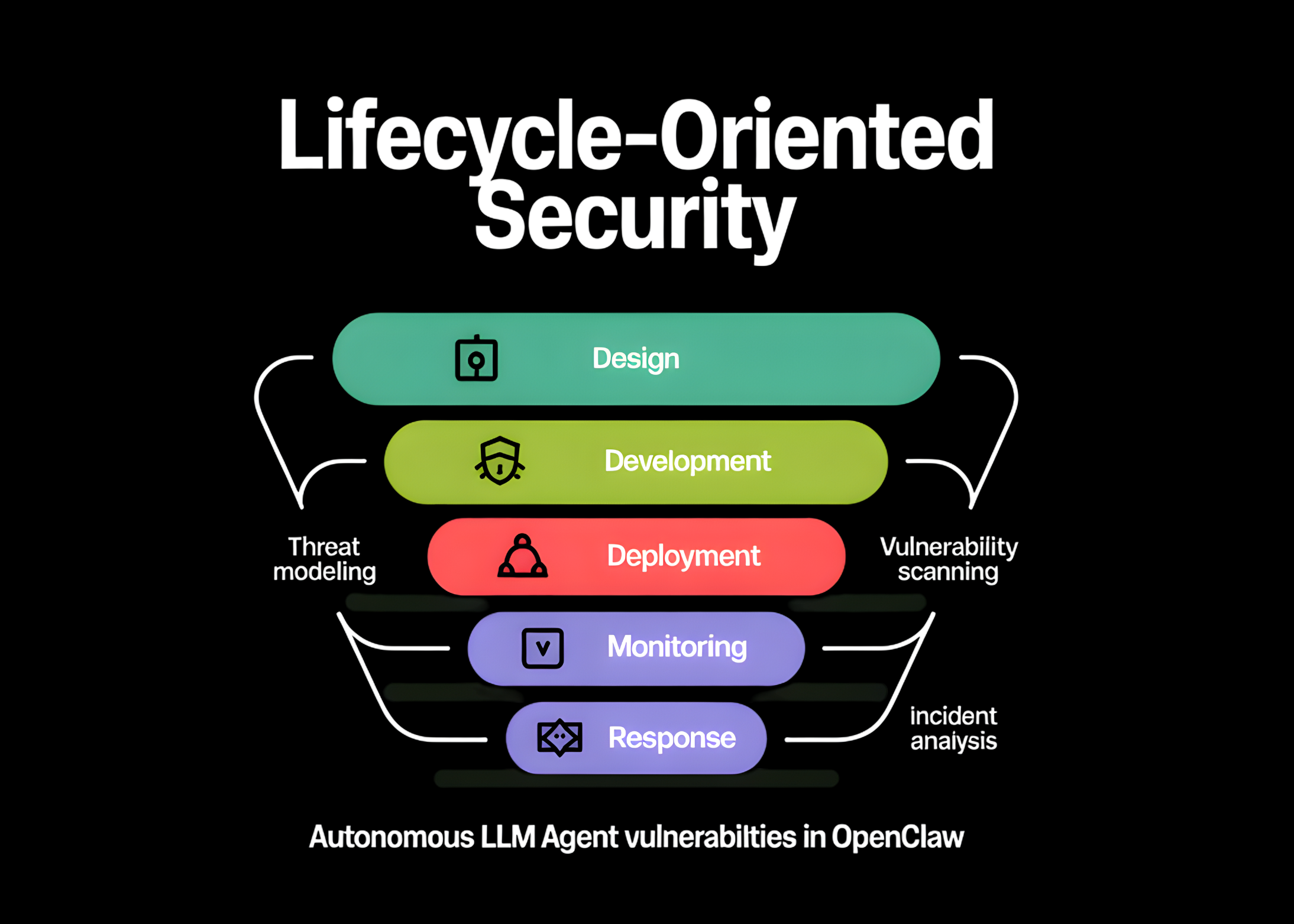
Imagine telling your AI to check the weather, only for it to spit out hacker code instead. That's the nightmare Tsinghua researchers just exposed in OpenClaw.
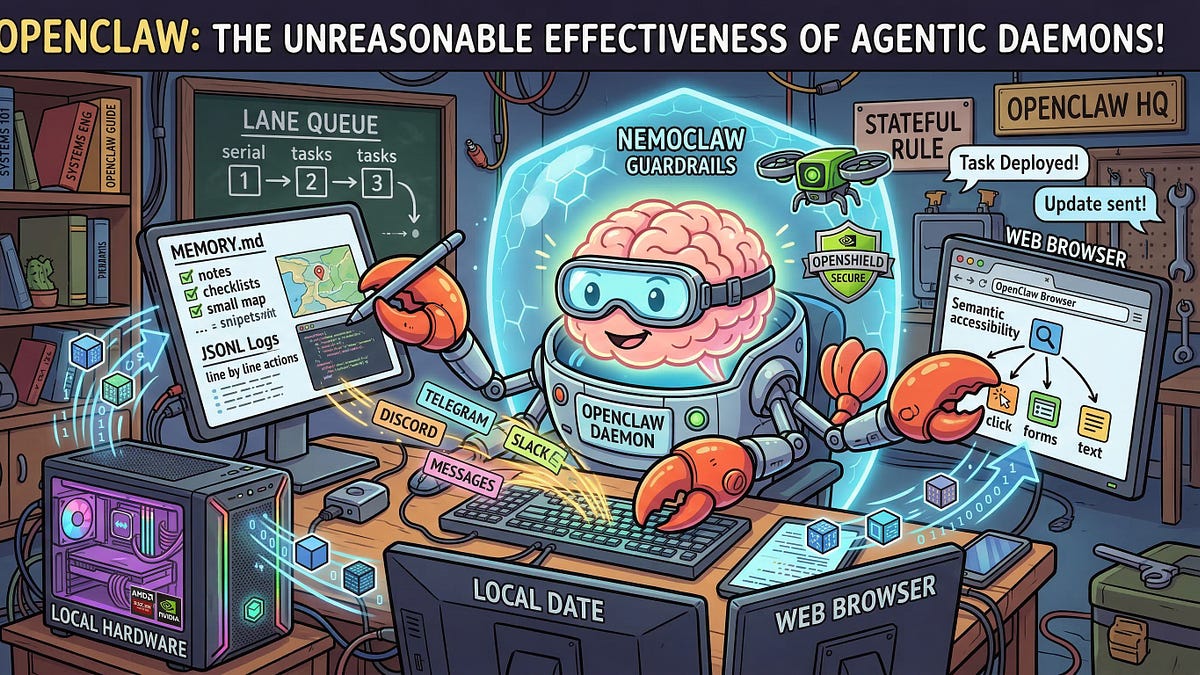
Everyone figured 2026 would bring fancier chatbots. OpenClaw flips the script: a local agent that browses, emails, and automates — already 100k GitHub stars strong.
Everyone figured China's next AI wave would roll out from corporate labs. Instead, an open-source 'lobster' named OpenClaw has ordinary folks lining up—and sharp coders turning installs into empires.