
nauth-toolkit: Open-Source Node.js Auth That Dares to Ditch Auth0
Why fork over cash to Auth0 when nauth-toolkit runs auth in your Node.js app for free? This open-source upstart covers email, social logins, MFA — but can it handle the heat?

Picture this: a Rust app that redraws like magic, no boilerplate hell. Xilem's here, fusing React's reactivity with native speed — Rust's shot at owning the UI game.
Forget server uploads and desktop bloat. A clever canvas-based tool nails PDF page numbering right in your browser. Sharp, private, and dead simple.
One wrong flip, and your bounding boxes chase ghosts. Albumentations syncs pixels and labels effortlessly, saving object detection pipelines from chaos.
Imagine code that self-destructs pointers before they haunt you. Rust ownership rules deliver that dream, turning memory management into a compile-time certainty.
Three pale pups named after myths tumble in a pen, rewriting 'extinct.' But is Colossal Biosciences' dire wolf revival genius or a reckless echo of Jurassic Park folly?
Your bedroom shouldn't be a data farm for tech giants. SleepSentry runs apnea detection right on a $35 Raspberry Pi, keeping snores and gasps off the cloud.
Ash-pale pups named Remus, Romulus, and Khalesi tumble in a pen—extinct dire wolves, reborn via genome hacks. But who's cashing in on this Pleistocene remix?
Forget provisioning agents or managing creds. A new browser tool lets you hammer APIs right now. But does it hold up?
Imagine your site's users—blind or low-vision—navigating flawlessly while others stumble. This 5-minute screen reader testing guide turns devs into accessibility heroes, fast.
Government websites are supposed to safeguard your data, especially on immigration portals like USCIS.gov. Instead, they're handing it off to Meta and Google. Shocker.
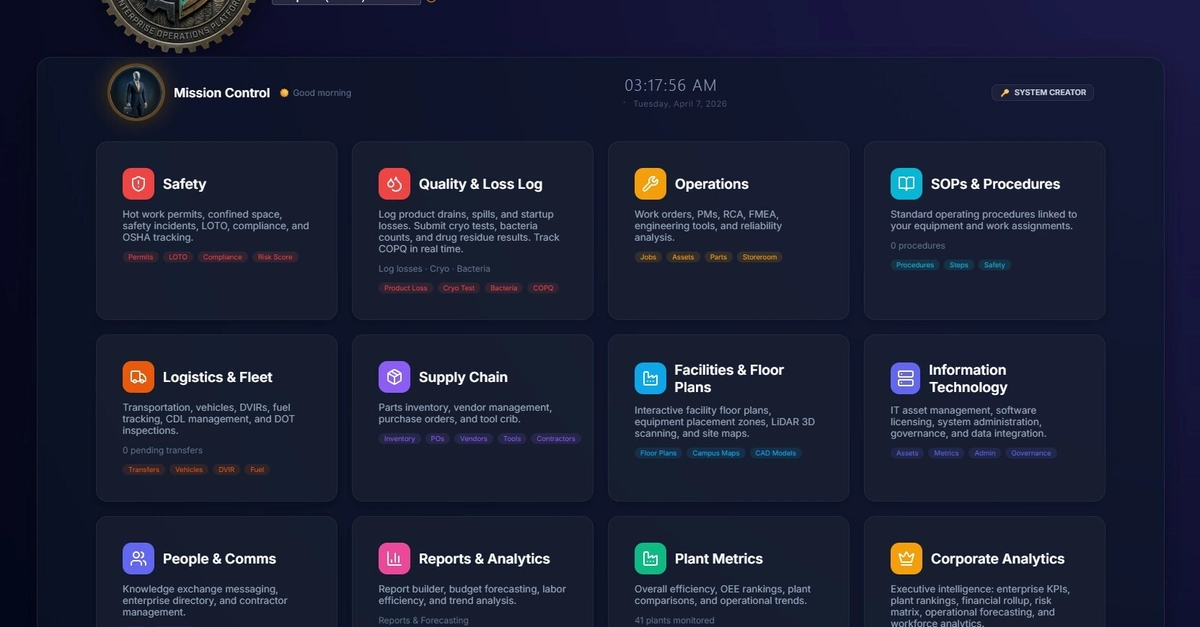
Picture a grizzled vet of factory chaos unveiling Trier OS, a beast of an open-source platform coded in 33 days with AI's help. It's the industrial software rebellion we've waited for.
Plant operators waste hours fighting clunky software that costs a fortune. Now, one grizzled vet's open-source Trier OS promises to fix it all—without subscriptions or cloud BS.
Your Terraform plan drags on for 20 minutes. The state file corrupts at midnight. Welcome to the scaling problem that's crippling teams everywhere.
Your Mac's been counting down to network oblivion for 49.7 days. Straight from an AI firm's nightmare—reboot city awaits.
One ex-Meta worker. 30,000 private Facebook photos downloaded. This isn't just a rogue employee story—it's a glaring flaw in how tech giants guard their troves.
Nvidia just swallowed SchedMD, the brains behind Slurm, the scheduler powering 60% of the world's supercomputers and key AI training rigs. But insiders whisper: is this the start of subtle sabotage against AMD and Intel?
Your next code autocomplete might come straight from OpenAI's labs. But at what cost to the scrappy tools that built modern dev workflows?
Imagine your Bittensor validator lagging for 48 undetected hours, torching emissions across ten scoring windows. TaoNode Guardian—a slick Kubernetes operator—watches, predicts, and heals before the network notices.
Airstrikes on Iran's nuclear facilities like Natanz haven't triggered meltdowns—yet. But decay heat and damaged cooling systems could turn precision hits into regional catastrophes.