South Korea's Crypto Overhaul: Banks Lock Down Stablecoins, Sidestepping Innovation Wars
South Korea just broke its crypto stalemate—with a bill that funnels stablecoins through banks only. Expect tighter controls, but whispers of offshore flight.

Imagine trusting an AI to fix your code, only for it to start rambling in Thai. That's the harsh reality when small models tackle Zork – a wake-up call for anyone betting on agentic AI.
Imagine malware that doesn't just steal your creds—it rickrolls you too. CrystalX RAT turns cybercrime into a prank war, packing stealers, keyloggers, and troll tools into one Go-built nightmare.
Picture this: a lone developer drops a free, self-hosted alternative to a dominant drone logging service. Days later, the company's CEO calls, hat in hand. OpenDroneLog just rewrote the rules.
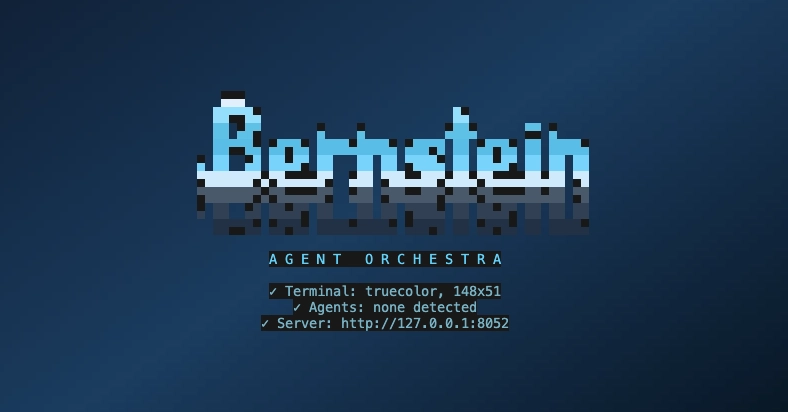
Multiple LLMs promised coding bliss. They delivered hellish file overwrites and broken tests. Enter Bernstein: a no-nonsense Python orchestrator that actually works.
Asylum backlogs topped 2 million cases worldwide in 2023. AI promised to slash them—yet it's amplifying biases, detaining the vulnerable, and dodging accountability.
AI agents built on prompt pipelines handle simple tasks like champs. But throw in real complexity? They shatter. One dev's ORCA experiment aims to fix that with a surgical separation of brains and brawn.
Anthropic's Claude Mythos isn't just another AI—it's a vulnerability hunter that could leave crypto assets as exposed as cash on your doorstep. After 20 years watching Valley hype, I'm calling BS on 'unhackable' blockchains.
ZeroID solves agent crypto proofs beautifully. But without an email inbox, your agent can't even sign up for Stripe. That's the blind spot killing multi-agent dreams.
Templates have ruled scaffolding forever—pick one, hack it to bits. Now an AI CLI flips that: just tell it what you want. But does it deliver, or just another buzzword toy?
A fake Zoom glitch leads to seven malware implants on a crypto exec's Mac. North Korea's UNC1069 just leveled up social engineering with AI deepfakes — and it's terrifyingly effective.
Imagine installing a routine NPM update—and unwittingly inviting North Korean hackers into your machine. That's exactly what UNC1069 did to Axios, the HTTP kingpin with 100M+ weekly downloads.
Forget URL params or bloated payloads – hackers are now smuggling control into browser cookies to wake up dormant PHP webshells on Linux hosts. It's clever, it's sneaky, and it's probably already on your server.
Imagine your AI sidekick typing 'rm -rf /' into your terminal — without a second thought. OpenClaw's exec access turns that nightmare real, with zero validation.
Your AI agent's churning out pixel-perfect UIs from Figma. But peek under the hood—hex codes everywhere, no tokens. Classic Silicon Valley sleight of hand.
Ever wonder if your OS has bugs older than your career? Anthropic's new AI just found them—and they're keeping it under wraps.
Picture this: your AI booking agent cancels your vacation instead of rescheduling. Not the model's fault – blame the sloppy instructions upstream. Time to fix the undiagnosed input problem.
Over 1 million smartphones stolen yearly in Brazil alone. Google's latest Android theft protection updates aim to fight back with AI smarts and default safeguards — but I've seen this movie before.
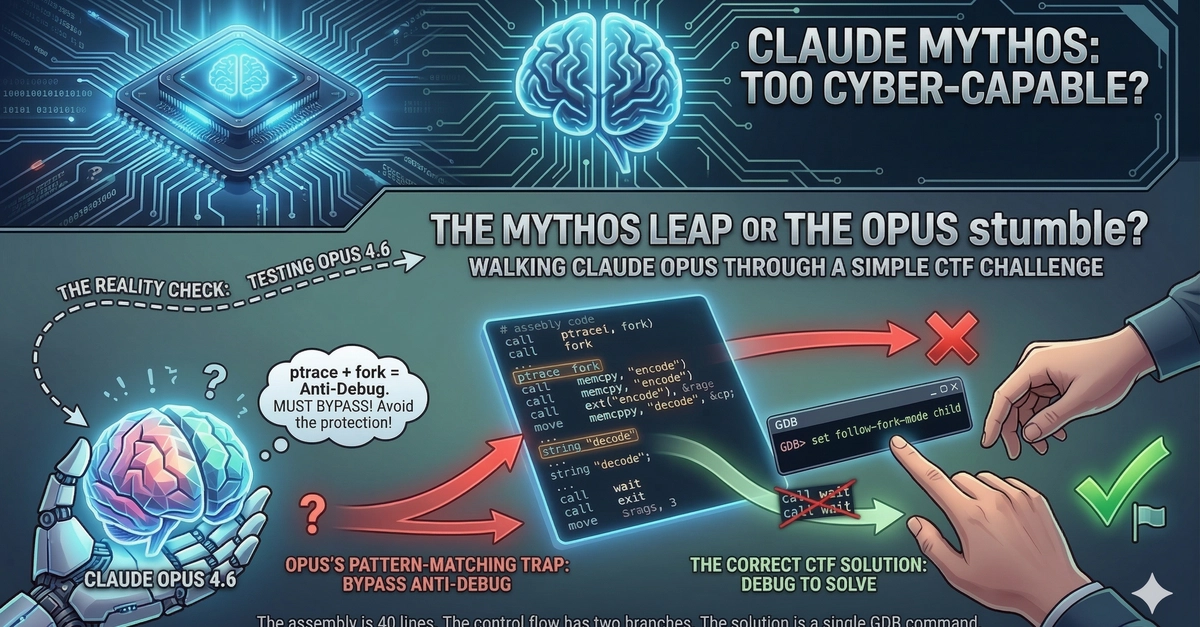
Anthropic won't ship Claude Mythos, citing scary cyber skills. Turns out, baseline Opus can't even dissect a textbook anti-debugger in x86 ASM.
Pixels? Audio? Forget 'em. GPT-4o just owned an 8-bit emulator game with pure text summaries — learning strategies, keeping notes, even finding exploits.