AMD Strips Lemonade AI Bare for Easy App Embedding in 10.2 Release
Days after Lemonade 10.1, version 10.2 lands with embeddable builds tailored for devs. AMD's fingerprints are all over it, promising frictionless local AI in your apps.

Days after Lemonade 10.1, version 10.2 lands with embeddable builds tailored for devs. AMD's fingerprints are all over it, promising frictionless local AI in your apps.
Loggers in the Pacific Northwest stare at tablet screens, plotting harvests with AI precision. But as 2030 looms, the real cut might come from talent gaps crippling small forest products outfits.
Tokens aren't pixie dust—they're the billing meter screwing non-English users. And those massive context windows? Mostly hot air, forgotten in the middle.
Your WhatsApp threads load in a blink because someone nailed the database. Screw it up, and users bail—fast. Here's the gritty schema that keeps chats persistent and snappy.
Cross-state road trips? Forget juggling 57 incompatible APIs. One dev built Road511 to normalize it all — and exposed the wild inconsistencies governments hide behind.
Picture two feuding neighbors hashing out a fence dispute via AI-orchestrated WebSockets—no judge required. Acuerdo's platform promises courtroom bypass, but after 20 years watching Valley hype, I'm asking: does the tech deliver, or is it just shiny plumbing for lawyers' side hustle?
KV cache on a 70B model at 32k tokens? That's 40GB+ in FP16, dooming your MacBook. TurboQuant compresses it ruthlessly—without touching model quality.
Picture this: your garage door cracks open at midnight, and your phone pings an SMS before you even stir. No clunky GSM module, just a stamp-sized ESP32 and free cloud magic.
Napkin sketches work until the team grows. BPMN vs flowchart reveals why standards beat sloppy symbols every time.
A single AI agent incident tangled three teams in blame. AVP emerges as the trust layer AI desperately needs, turning buzzwords into unbreakable accountability.
OpenAI's GPT-4 charges $2.50 per million input tokens – that's $25 vanished after one bug hunt. One dev said screw it: built a fully offline AI coding agent on an M1 Mac using Llama.cpp.
Raw WebSockets? Just a dumb pipe. STOMP turns it into a smart messenger—topics, subs, errors handled—minus broker bloat.
Tired of watching YouTube security vids? This guy's lab turns SQL injection from nightmare to nope—instant blocks, full logs. Real people prepping for SOC gigs, take notes.
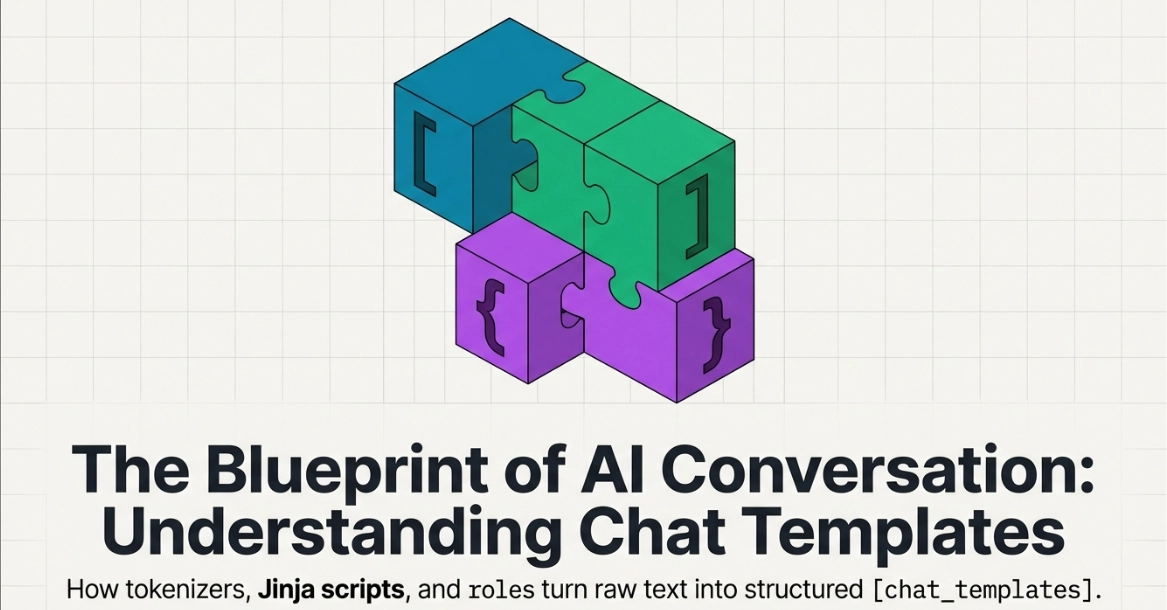
Everyone figured LLM chats meant endless prompt-tinkering hell. Chat templates? They're Hugging Face's scripted fix — but don't get too excited.
Your team's next deploy could leak customer data because of a simple ID swap in the URL. Security testing isn't optional—it's the firewall between 'shipped' and 'sued.'
A cursor blinks accusingly on your laptop during a midnight grind. LeetCode 46 permutations demands recursion mastery—backtracking swaps deliver all combos without extra space.
Imagine shipping code that aces every test, only for customers to rage-quit your checkout. That's the staging trap killing dev velocity today.
Burnout's out; balance is in for lawyers ditching Biglaw's grind. Yet rule-of-law battles with the administration reveal deeper tensions in the profession.
Forget the cozy upgrade path. Python 3.13 and 3.14 are ripping up the rulebook, breaking backward compatibility deliberately to unleash raw speed. It's a gut punch for legacy code — but a rocket boost for tomorrow's AI empires.
Why does generating every possible subset from a handful of numbers turn into a recursive rabbit hole? LeetCode 78 promises the power set, but the backtracking solution hides stack overflow risks tech interviewers ignore.