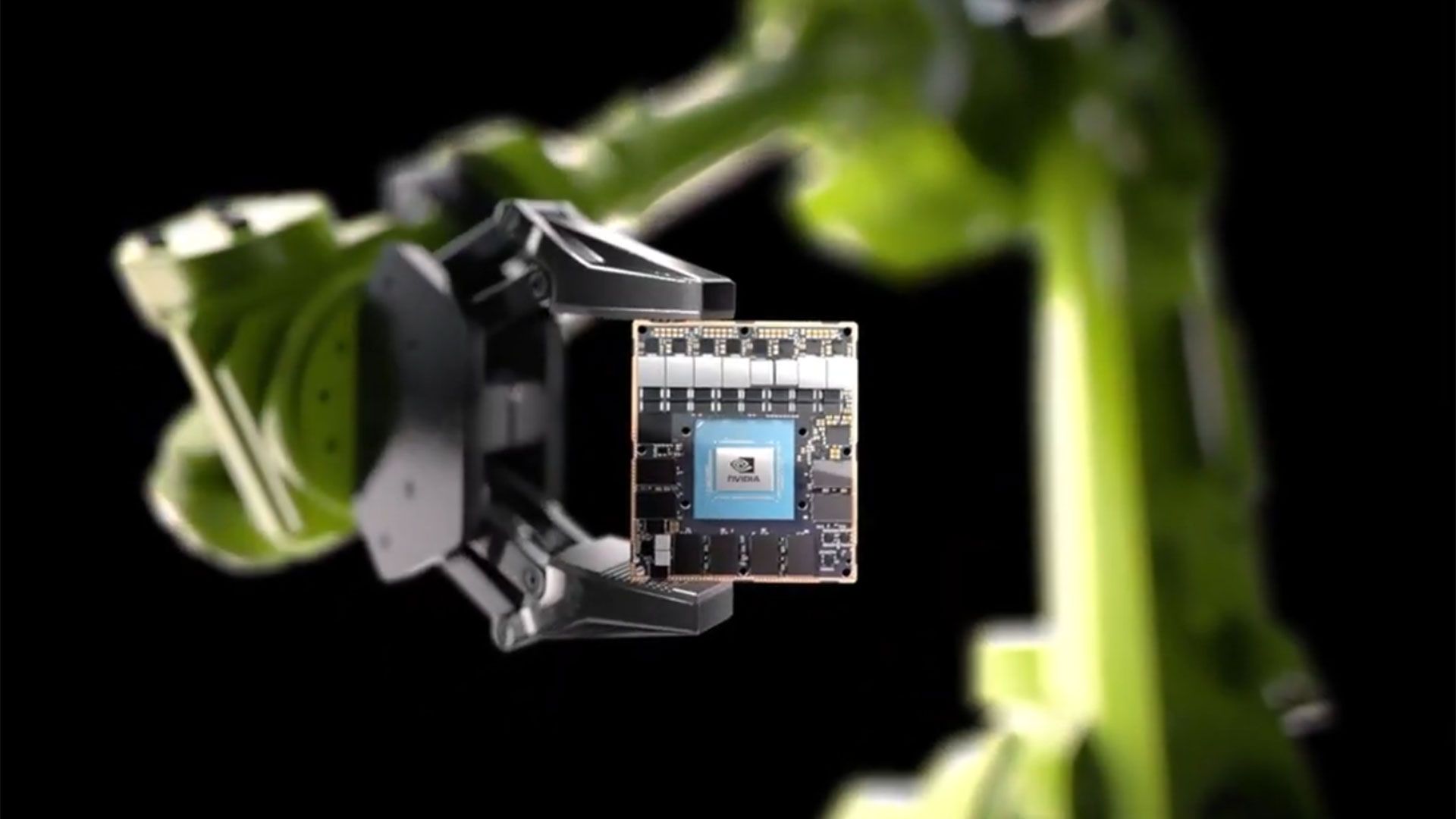
So, what does this whole song and dance about Nvidia Jetson end-of-life mean for the folks actually building things? It means if your project is welded to those older TX2 or Xavier modules, you might need to start sweating. Nvidia’s apparently decided to fast-track the retirement party for these chips because, surprise, surprise, it’s getting harder to find the LPDDR4 memory they gobble up. This isn’t just a minor inconvenience; it’s a full-on nudge towards newer hardware, whether you’re ready or not.
The word on the street, specifically from Connect Tech, a Canadian AI systems supplier, is that Nvidia’s slapped a Non-Cancelable, Non-Returnable (NCNR) status on a bunch of these older Jetson families. We’re talking about the Jetson TX2 NX, TX2i, AGX Xavier 32GB Industrial, and the various Xavier NX flavors. Connect Tech says the last day to place new orders is July 1st, existing orders become NCNR mid-July, and the final shipments will roll out by July next year. Nvidia itself hasn’t exactly issued a press release shouting this from the rooftops, but these timelines are reportedly “based on Nvidia timelines.”
Frankly, it’s not exactly a shocker. The TX2 dropped in 2017, and the Xavier followed in 2018. These things were already on the back nine. But the real kicker here, the thing that makes my cynical journalist heart thump just a little faster, is the sheer nakedness of the market forces at play.
Who’s Really Profiting From This RAM Scramble?
This isn’t your grandad’s memory shortage. This is a calculated recalibration. Memory manufacturers, chasing the sweet, sweet margins found in cutting-edge AI accelerators and shiny new DDR5 chips, are actively shifting their production away from older, less profitable DDR4 nodes. It’s a classic Silicon Valley move: abandon the old guard to feed the insatiable beast of the new. The older embedded platforms, like these Jetson modules, become collateral damage in the relentless pursuit of higher profits. They need that legacy RAM, but the big boys have moved on, leaving the leftovers to dwindle.
So, you’re building a robot that needs to recognize a specific bolt at a factory, and it relies on a TX2. Tough luck. You’re working on an industrial monitoring system with an AGX Xavier. Better start migrating. The Orin NX series is positioned as a close relative to the Xavier NX, and the Orin AGX can even slot in where the AGX Xavier lived, provided you don’t mind re-engineering your power delivery and thermals. It’s not a smooth transition; it’s a forced march.
For developers and integrators, the takeaway is that if a design still depends on LPDDR4-based Jetson modules, the window to secure supply is closing, and migration to Orin is no longer just a performance upgrade but a matter of long-term viability.
This quote, while factual, glosses over the sheer pain that “long-term viability” translates to for engineers who have already spent months, if not years, getting these older systems humming. It’s not just about performance; it’s about cost, re-certification, and the sheer headache of starting over.
Look, the industry talks a big game about sustainability and supporting existing ecosystems. But when the economics of memory production shift, those promises evaporate faster than dew on a hot server rack. This accelerated EOL for Nvidia’s Jetson modules isn’t a bug; it’s a feature of a market driven by rapid innovation and, let’s be honest, a healthy dose of greed. It’s a stark reminder that in tech, “legacy” is often just a polite term for “unprofitable.” And if you’re building on yesterday’s tech, you’re living on borrowed time, especially when the folks making the components decide it’s time to collect.
Why Does This Matter for Embedded AI?
This isn’t just about Nvidia. It’s a canary in the coal mine for the entire embedded AI sector that relies on specialized, often older, hardware for long-term deployments. Companies that bet on long product lifecycles for industrial, automotive, or medical equipment are now facing a stark reality: their chosen platform’s memory supply chain is dictated by the whims of the high-performance computing and consumer electronics markets. If the vendors can make more money selling HBM for AI supercomputers or DDR5 for the latest gaming rigs, they’re going to do it. The trickle-down effect means that devices designed for stability and longevity are the first to feel the squeeze when supply chains tighten.
It forces a difficult conversation about design choices. Do you stick with proven, but aging, hardware and gamble on securing scarce components? Or do you invest heavily in migrating to newer, potentially over-specced, and more expensive platforms, accepting the inherent risks of adopting newer tech? For many smaller integrators or R&D teams, that’s a high-stakes gamble with the future of their projects on the line.
What’s old is new again… until it’s not profitable. And for the developers and businesses counting on Nvidia’s older Jetson modules, that time has apparently come sooner than anyone expected. The RAMpocalypse has claimed its latest victims.
🧬 Related Insights
- Read more: Slackbot’s Glow-Up: Salesforce’s AI Agent Bets Big on Enterprise Chaos
- Read more: Kubernetes 1.35 Patches CSI Drivers’ Token Leak Nightmare—Opt-In Security Without the Chaos
Frequently Asked Questions
What does EOL mean for my Jetson project? EOL, or End-of-Life, means Nvidia will stop manufacturing and supporting the specific Jetson modules. While you might still be able to buy existing stock, new production will cease, and future software updates or direct support will eventually be phased out. This makes migrating to newer hardware a necessity for long-term projects.
Will this affect newer Nvidia Jetson Orin or Thor modules? According to the information, newer modules like the Orin and Thor families are not directly impacted by this accelerated EOL. They typically use more current memory technologies like DDR5 or HBM, which are prioritized by manufacturers.
How can I secure supply if I still need older Jetson modules? Your best bet is to contact Connect Tech or other authorized Nvidia distributors immediately to inquire about any remaining stock and the possibility of placing final orders before the July 1st deadline. Be prepared for NCNR terms, meaning purchases are final and cannot be returned.