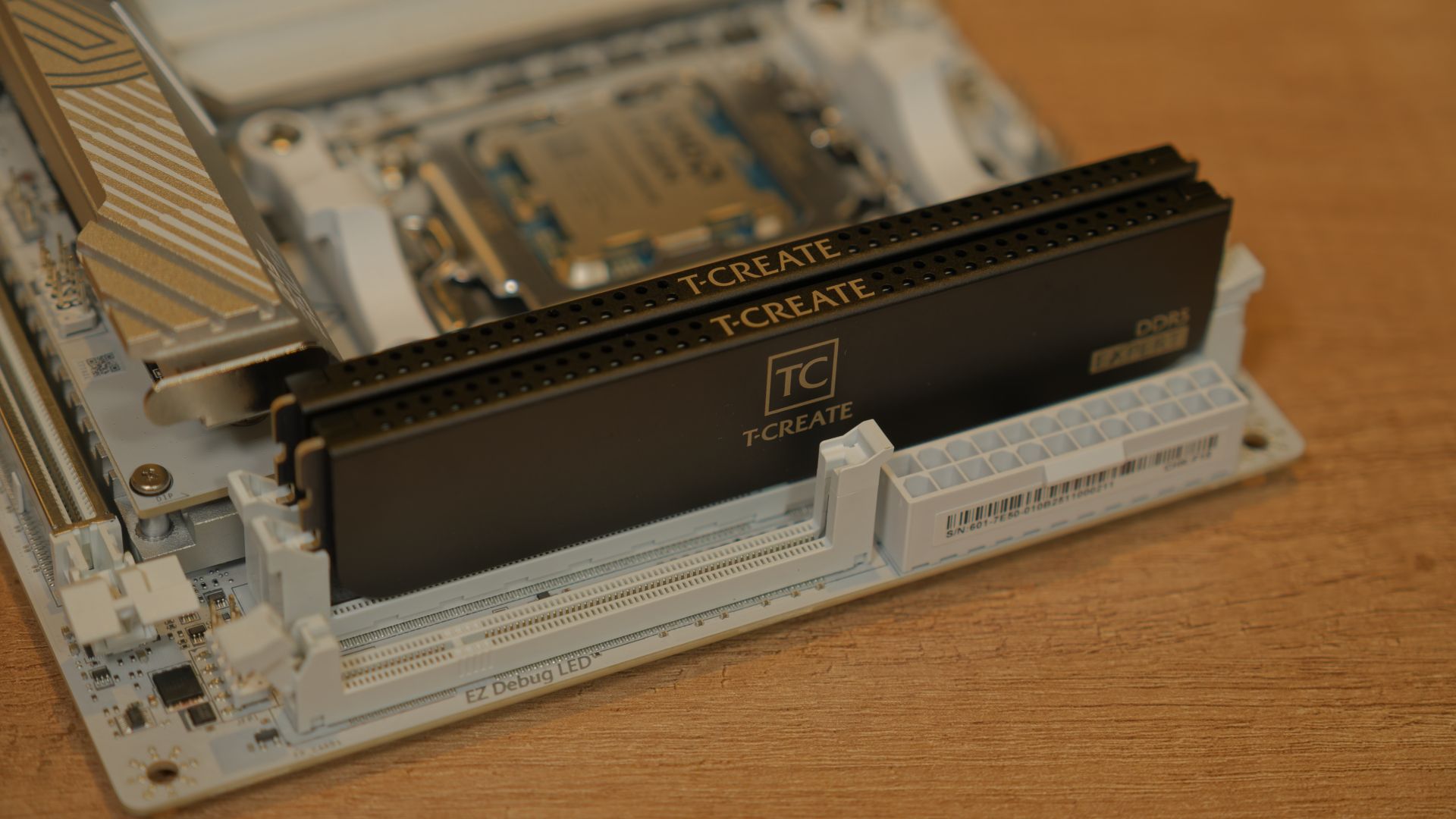
And then it was gone. A freshly published Microsoft support document, ostensibly charting a course for PC gaming hardware in 2026, vanished from the internet less than 24 hours after its debut. The crime? Recommending 32GB of RAM as the “future-proof ‘no worries’ config,” effectively demoting 16GB to a mere “practical starting point.” For a company that once championed 16GB as the golden ticket, this implicit shift is seismic, signaling that what was once overkill is now merely adequate.
It’s a bold pronouncement, especially when you consider the current hardware landscape. The original article points to a creeping trend, evidenced by Steam Survey data from September 2025, where 16GB configs were beginning to cede ground to their 32GB counterparts. Even now, 16GB holds the majority, a situation exacerbated by the ongoing “RAMageddon” – a manufactured crisis where the insatiable appetite of AI development has rerouted production lines, driving up prices and creating shortages, particularly for DDR5. Manufacturers are scrambling with stop-gap solutions like ASRock’s HUDIMMs, but for the average DIY builder, high-capacity RAM remains a luxury.
Microsoft’s reasoning, before the digital guillotine fell, was ostensibly about the modern gaming experience. More RAM, they argued, smooths out multitasking – imagine running Discord alongside a demanding AAA title – and offers crucial breathing room for games that are increasingly asset-heavy. This isn’t entirely wrong. A fatter RAM pool means less reliance on the significantly slower page file, allowing more active data to reside in speedy memory. For GPUs hobbled by limited VRAM, such as those stuck with an 8GB buffer, system RAM acts as a vital overflow, preventing performance bottlenecks during intense workloads. And for those pushing integrated graphics, like with AMD’s Ryzen AI 400 series APUs, high-capacity, high-speed RAM isn’t just recommended; it’s practically a prerequisite to coaxing decent performance from the silicon.
But here’s the crucial nuance: Microsoft isn’t mandating 32GB. Developers are still, for the most part, outlining 16GB as the actual baseline requirement. What Microsoft’s deleted document was hinting at is the direction the industry is heading. Yes, some cutting-edge titles, like the ultra-high-fidelity presets in Stalker 2, might already demand 32GB. And Microsoft’s own Microsoft Flight Simulator 2024 pushes the ideal config to a whopping 64GB, making Redmond a bit of an outlier in its own advice. The company’s statement is less a demand and more a prescient – albeit poorly timed – observation of the gaming future.
Is This Just About RAM?
Curiously, the document also touched on another, far less contentious hardware recommendation: Solid State Drives. Microsoft unequivocally trashed traditional Hard Disk Drives (HDDs) for anything other than bulk storage, stating flatly that “active games and the OS should live on an SSD for the best experience.” This isn’t news, of course; for the better part of a decade, SSDs have been the universally accepted standard for operating systems and actively used applications.
This SSD recommendation neatly complements the RAM advice. When RAM reaches its limit, the system starts swapping data to storage. Having a lightning-fast SSD means this swap operation is far less punitive. Furthermore, with technologies like DirectStorage poised to become standard, the need for rapid data transfer from storage directly to the GPU makes SSDs a non-negotiable component for future gaming. The irony, however, is thick. While Microsoft touts the necessity of these high-performance components, the global shortage – fueled in no small part by the very AI boom that’s consuming RAM production – makes these recommendations feel remarkably out of touch, especially given the colossal sums Microsoft is reportedly pouring into AI.
“active games and the OS should live on an SSD for the best experience.”
My unique insight here? This isn’t just about gaming PCs. Microsoft’s push towards higher RAM ceilings on the gaming front acts as a canary in the coal mine for the broader PC ecosystem. The architectural demands of cutting-edge games often foreshadow the requirements for professional applications, content creation suites, and even general productivity software down the line. What’s overkill for a gamer today becomes standard for a designer tomorrow. The increasing reliance on large, in-memory datasets – whether for AI model inference, complex simulations, or simply richer game worlds – is a fundamental shift. The physical constraints of memory capacity and speed are now, more than ever, shaping the very architecture of how we compute.
The RAM Shortage: A ‘RAMpocalypse’ Fueled by AI
Let’s be clear: the price hikes and shortages aren’t random. They’re a direct consequence of a global arms race in AI development. Chip manufacturers, already operating at peak capacity, are prioritizing the production of memory chips essential for AI accelerators and large-scale data centers. This reallocation of resources, while fueling AI advancements, leaves the consumer PC market scrambling for components. Microsoft’s own $190 billion AI investment, as the article notes, casts a long shadow over these hardware recommendations.
Why Does This Matter for Developers?
For game developers, this signals a need to design for a future where 16GB might soon be considered the bare minimum, and 32GB the comfortable standard. Optimizing for memory usage will remain critical, but the goalposts are undoubtedly moving upwards. For hardware manufacturers, it’s a clear indicator of where to focus R&D and production. For everyday users, it’s a not-so-subtle hint to start budgeting for more RAM – and a faster SSD – if they plan to stay current with PC gaming.
**
🧬 Related Insights
- Read more: GNOME 44 Drops: 50+ Circle Apps and Slick Settings, But Who’s Winning?
- Read more: EDR Killers: Ransomware’s Sneaky New Weapon
Frequently Asked Questions**
What does Microsoft’s 32GB RAM recommendation mean for current PCs? It suggests that PCs with 16GB of RAM will still function for many games, but may face performance limitations or require more frequent use of slower storage as games become more demanding. 32GB is presented as the path to a smoother, more future-proof experience.
Will AI development ever stop increasing RAM demand? It’s unlikely AI’s demand for memory will cease growing anytime soon. As AI models become larger and more complex, and as their integration into consumer products deepens, the need for substantial RAM capacity will likely persist and potentially increase.
Is it still worth buying 16GB of RAM? For many users and current gaming needs, 16GB remains a practical and cost-effective choice. However, if you’re building a new PC with longevity in mind or want the best possible performance in demanding future titles, aiming for 32GB is the direction Microsoft suggests.