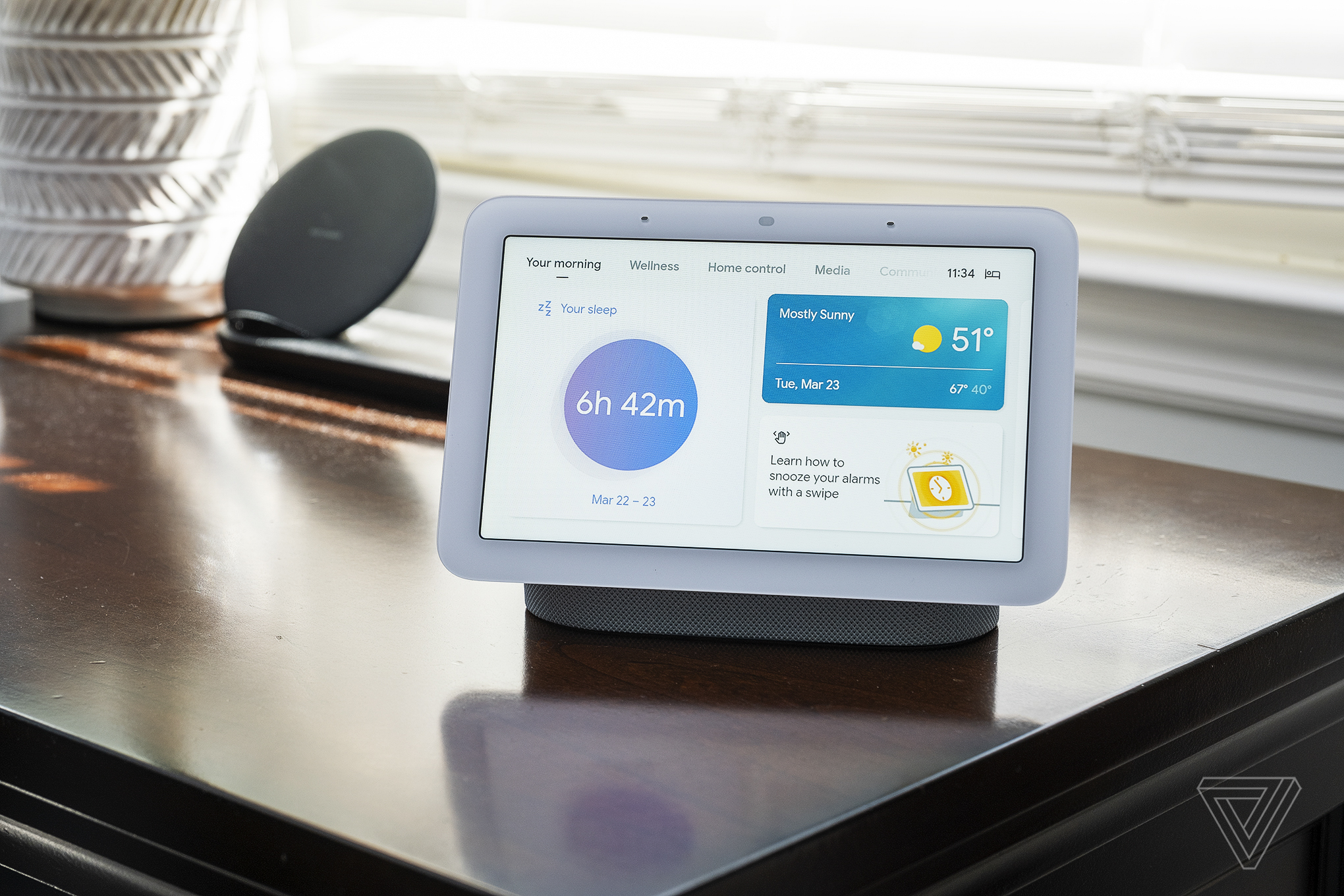
The faint hum of the smart thermostat, the low murmur of a background podcast – these are the usual sonic companions to a smart home. But now, imagine those ambient noises punctuated by a more articulate, more capable voice. Google Home’s Gemini AI, the latest iteration, is quietly stepping out of the shadows of simple commands, ready to wrangle a symphony of actions with a single spoken phrase. It’s not just about turning on the lights anymore; it’s about orchestrating an entire evening.
This isn’t a minor tweak. Google’s move to Gemini 3.1 for its Home assistant is a calculated architectural shift, designed to peel back the layers of frustratingly simplistic interactions that have plagued smart home devices for years. The days of issuing a string of individual commands, each waiting for its solitary confirmation, are officially on borrowed time. We’re talking about the ability to tell your assistant, “Turn off the living room lights, set the thermostat to 70 degrees, and play my ‘chill’ playlist on Spotify.” Previously, that would have been a frustrating sequence of separate requests, each with its own potential for misinterpretation or outright failure.
Gemini for Home has been upgraded to Gemini 3.1, which the company claims will enhance the smart home assistant’s ability to interpret and respond to requests.
The architectural underpinnings here are key. We’re not just seeing a vocabulary expansion; this signals a deeper understanding of contextual chaining and task decomposition. Think of it like a seasoned air traffic controller versus a novice struggling to manage a single plane. Gemini 3.1 isn’t just hearing words; it’s parsing intent, identifying dependencies between actions, and then executing them in a logical sequence. This implies a more sophisticated state-tracking mechanism and a richer semantic model, allowing the AI to maintain awareness of an ongoing, multi-part request.
This upgrade also tackles the persistent annoyance of recurring and all-day events. For anyone who’s ever tried to get a smart assistant to remember a daily alarm or a weekly recurring appointment, the struggle has been real. The ability to “move around” upcoming events adds another layer of dynamic control, hinting at a more predictive and adaptable AI that can respond to the ebb and flow of a user’s schedule.
Is this a true leap for AI, or just better scheduling?
While the PR spin will undoubtedly focus on convenience, the real story lies in the underlying capabilities Gemini 3.1 is now flexing. The previous iterations of smart home AI have often felt like highly specialized tools, brilliant at one thing but flailing at another. Gemini’s generalist training, borrowed from Google’s larger language model efforts, is now being specifically honed for the domestic sphere. This means a more fluid interaction, less prone to the rigid, command-response loops that made smart homes feel, ironically, less intelligent.
Consider the ripple effect. Beyond the immediate convenience of managing lights and playlists, this enhanced understanding of complex requests could pave the way for more sophisticated automations. Imagine scenarios where Gemini can proactively adjust your home environment based on subtle cues – not just a direct command, but an inference drawn from multiple data points. This moves from a reactive assistant to a more anticipatory partner in managing your living space.
There are, of course, the inevitable caveats. Reports of earlier Gemini for Home bugs – confusing pets for intruders or misinterpreting activity summaries – highlight the ongoing challenge of real-world AI deployment. Accuracy and reliability remain paramount, especially when dealing with the minutiae of home life. But the upgrade to 3.1 suggests Google is actively addressing these shortcomings, applying lessons learned from past stumbles.
Furthermore, Google isn’t stopping at the voice interface. The introduction of ‘Ask Home on Web’ and an enhanced notification system with quick actions are significant expansions. Managing your smart home from a computer, searching camera history with natural language, and controlling devices directly from a notification—these additions complete a more holistic ecosystem. It’s about offering choice and control, meeting users where they are, whether that’s speaking to their device or clicking on a screen.
The integration of Gemini 3.1 into the Google Home ecosystem represents a subtle but significant evolution. It’s less about a single, flashy new feature and more about a fundamental improvement in the AI’s ability to parse and execute complex, multi-faceted instructions. This is the quiet architectural shift that will, over time, make our smart homes feel less like a collection of connected gadgets and more like a truly intelligent, responsive environment.
🧬 Related Insights
- Read more: Polymarket’s Exchange Overhaul: New Engine, Native Stablecoin
- Read more: Ethical Hacking’s Gold Rush: Skills Shortage Hits $10 Trillion Mark
Frequently Asked Questions
What does Gemini 3.1 in Google Home actually do? Gemini 3.1 allows Google Home to understand and perform multi-step tasks with a single voice command, like turning off lights and playing music simultaneously. It also improves handling of recurring events.
Will this make my smart home easier to control? Yes, by allowing more complex commands to be issued at once, it simplifies interaction and reduces the need for multiple individual commands, leading to a smoother user experience.
Can I control my smart home from my computer now?