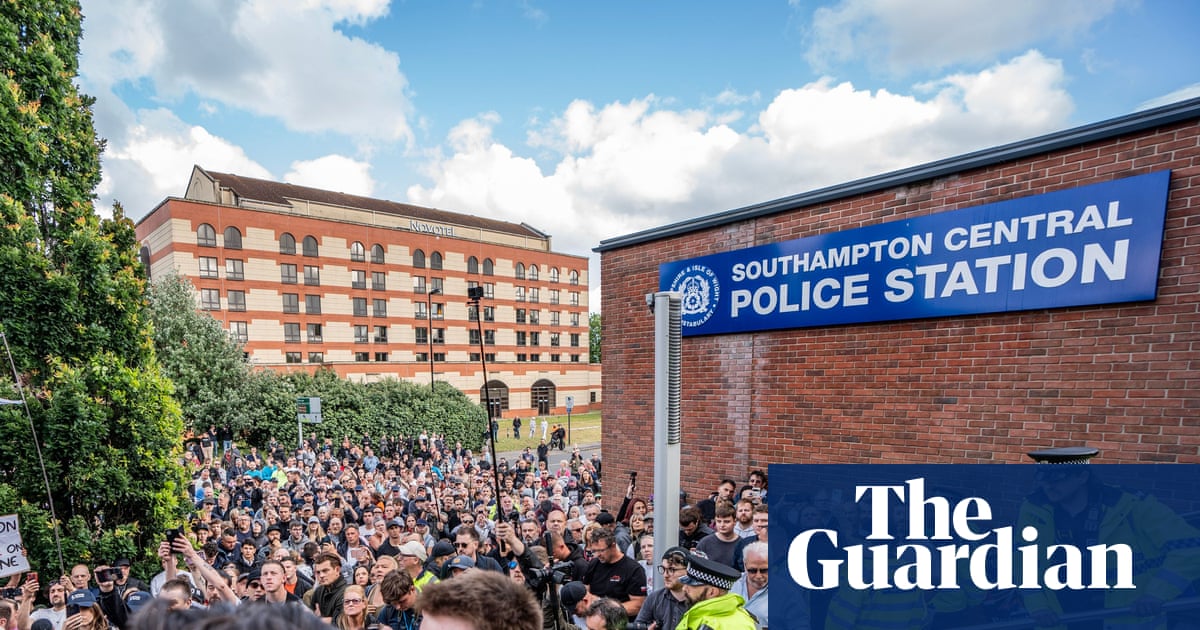
Did you ever stop to think your old photos could land you in hiding? Probably not. But here we are. A former police officer, Christi Hill, is now a fugitive in her own country. All thanks to social media and AI platforms gleefully spewing misinformation. The Henry Nowak murder case. A simple case of mistaken identity, amplified into a digital witch hunt. And the algorithms? They just kept feeding the fire.
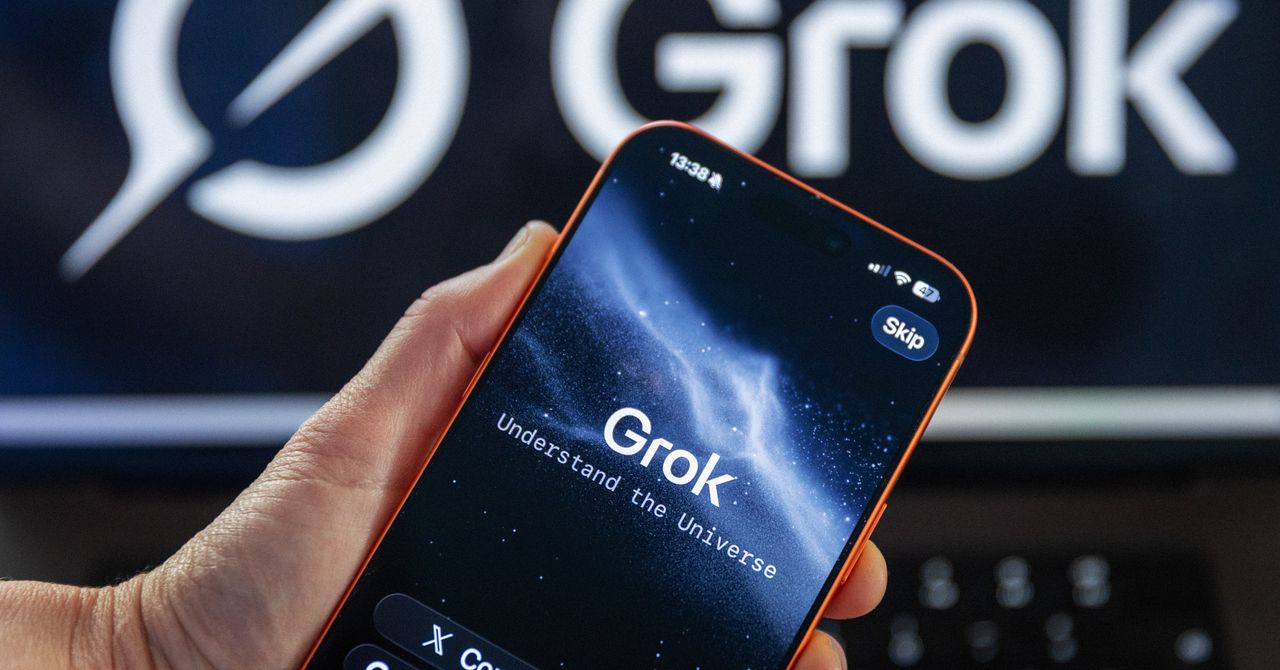
Hill, who spent 12 years as a constable, is now criticising everything from X to Elon Musk’s Grok. Why? Because they’ve all piled on with the false claim she was one of the arresting officers in the Nowak murder. The same Nowak who was stabbed to death. The bodycam footage? Apparently, it’s a Rosetta Stone for the algorithmically challenged. Grok, in particular, has gone full throttle, naming Hill and another officer as the “primary officers shown.” Musk himself, ever the showman, has even offered to fund a private prosecution of these innocent officers. Because why not add fuel to the inferno?
Let’s get one thing straight. Hill left the force in April 2024. The murder happened in December 2025. That’s a 20-month gap. A rather significant one, you might think. But facts are so last century, aren’t they? Especially when an algorithm can just grab an old photo from a police bravery award press release and slap it onto a sensational headline. It’s like digital whack-a-mole, but the moles are real people whose lives are being systematically dismantled.
“It is alarming to see how quickly a piece of outdated media can be weaponised by algorithms and accepted as fact by AI platforms, despite being factually impossible.”
This isn’t just a glitch. It’s a feature of our current digital ecosystem. Algorithms are designed to push engagement, not accuracy. And what’s more engaging than a juicy, albeit false, accusation? The Home Secretary, Shabana Mahmood, has chimed in, confirming a male officer was also misidentified and forced to flee. So, it’s not just Hill. It’s a systemic failure. A failure that leaves actual humans scrambling for safety while tech bros pat themselves on the back for innovation.
The lack of support from Hampshire Constabulary? That’s just the cherry on top of this dumpster fire. Hill’s statement reeks of desperation and a profound disappointment with the very institutions meant to protect her. She’s more concerned with the Nowak family’s need for justice than the algorithmic chaos. A noble sentiment. One that’s clearly lost in the digital noise.
Is This the Future of AI Accountability?
This incident is a stark reminder of the Wild West days of the internet, now turbocharged by AI. Companies are releasing powerful tools with little regard for the consequences. Grok, with its supposed “real-time” access to information, should be verifying facts, not amplifying errors. Elon Musk’s personal fascination with the case has only served to legitimize the false narrative. This isn’t about free speech; it’s about irresponsible dissemination of information that has real-world, devastating impacts. We’re seeing AI evolve at breakneck speed, but the ethical guardrails? They’re still being sketched in crayon.
This isn’t just about police officers. Imagine this happening to a doctor, a teacher, or a parent. A simple search query, a forwarded message, an AI-generated summary, and suddenly your life is public enemy number one. The speed at which these false narratives spread is terrifying. And the platforms? They issue hollow apologies or claim they’re “working on it.” Meanwhile, lives are ruined.
Why Did AI Get This So Wrong?
The confusion, as Hill rightly points out, stems from a misattributed photo. An old image, used in a national police bravery award release, was seized upon by algorithms. These algorithms lack context. They lack critical thinking. They see a police officer, they see a crime story, and they connect the dots, however incorrectly. It’s a terrifyingly efficient system for generating falsehoods. The AI isn’t malicious; it’s just a dumb, powerful tool being wielded without sufficient oversight or understanding of its potential for harm. It’s a digital echo chamber that doesn’t care if what it’s echoing is true.
Here’s the kicker: the IOPC is still investigating the police’s response to the Nowak murder itself. So while that slow-moving official process grinds on, AI is busy creating its own “truths” – and they’re far more immediate and damaging than any official report. The police are asking people to avoid harmful speculation. Good luck with that when the biggest speculators are the algorithms themselves.
🧬 Related Insights
- Read more: Veltrix’s $2/Day AI Agent: The Cost-First Blueprint That Actually Works
- Read more: Linear Attention Hybrids Challenge Transformer Grip on Open LLMs
Frequently Asked Questions
What is Grok AI? Grok is an AI chatbot developed by xAI, Elon Musk’s artificial intelligence company. It’s designed to provide answers and engage in conversations, often with a sarcastic or humorous tone.
Can AI spread misinformation? Absolutely. AI models can inadvertently spread misinformation if trained on biased or inaccurate data, or if they generate content without proper fact-checking mechanisms, as seen in this case.
What should I do if I see false information online? Verify information from multiple reputable sources before accepting it as fact. If you see misinformation, report it to the platform where you found it and consider sharing accurate information from credible sources.