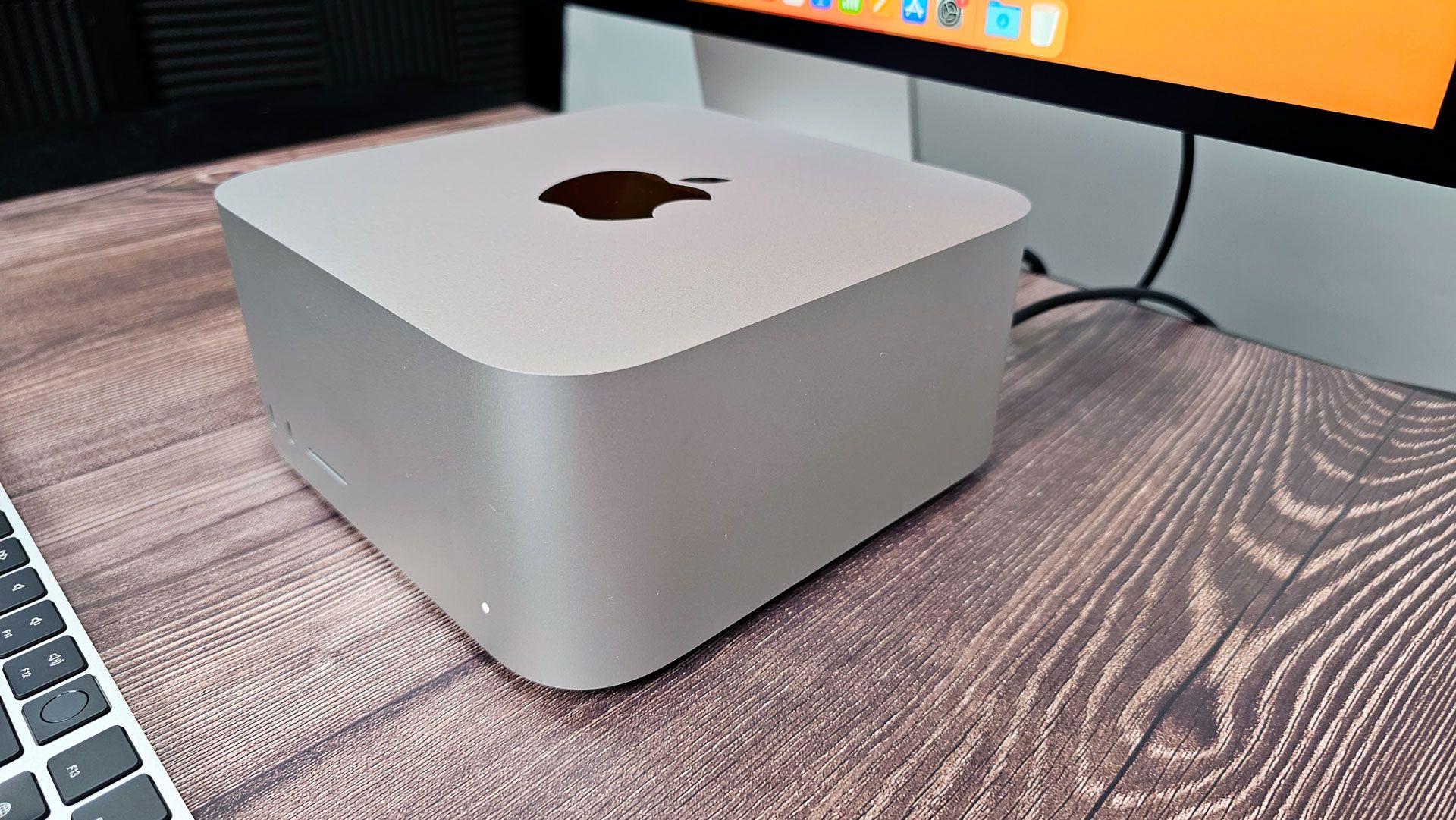
The whirring of processors and the silent hum of servers have been drowned out by a new sound: a desperate scramble for specific Apple hardware. We’re talking about the Mac mini and Mac Studio, suddenly hotter than a freshly mined bitcoin. Tim Cook himself dropped the bombshell during Apple’s recent earnings call – these desktops could be scarce for months to come.
And here’s the kicker: it’s not about iPhones or iPads. It’s about AI. Local AI, specifically. The kind that runs right there on your machine, not off in some distant, potentially leaky cloud. Think privacy nuts, speed demons, and anyone tired of getting dinged for every single query. They’re all clamoring for the power to crunch AI models locally.
This isn’t just a blip; it’s a seismic tremor rattling the PC landscape. For so long, the AI hardware narrative has been dominated by NVIDIA’s mighty GPUs, churning out the horsepower for massive data centers. But Cook’s warning officially validates what many of us have been observing: the personal computer is reclaiming its throne, albeit in a very specific, AI-centric way.
What makes these Macs so special for the AI crowd? It all boils down to Apple Silicon and its unified memory architecture. Unlike the old guard of separate CPU and GPU memory pools, Apple’s approach allows AI models to slurp up vast amounts of high-bandwidth RAM with incredible efficiency. It’s like giving your AI super-powered, shared access to its entire toolkit, making it a dream for loading up massive language models and running inference tasks without breaking a sweat.
The higher-end Mac Studio, in particular, can be a veritable behemoth of unified memory. This allows developers to toss some of the most demanding AI models directly onto desktop hardware. Add in their surprisingly low power consumption, and you’ve got a compelling alternative to the often astronomically priced server-grade gear.
Is Local AI the New Killer App for Desktops?
We’ve seen the whispers in developer forums for a while now. Mac Studios popping up in discussions as the go-to for running open-source AI models locally. It’s a direct response to the ongoing GPU crunch and the sheer expense of trying to get that kind of power elsewhere. This isn’t just a niche trend; it’s a significant market signal.
And it’s happening against a backdrop of broader semiconductor industry strain. Advanced chip packaging and high-bandwidth memory production are already stretched thinner than a tightrope walker’s shoelace, all thanks to the relentless AI infrastructure build-out. We’re seeing warnings across the board about prolonged shortages stemming from manufacturing bottlenecks.
This supply crunch might also hint at Apple’s own escalating AI ambitions. They’ve been steadily weaving AI into their ecosystem with Apple Intelligence, but the unexpected surge in demand for their desktop machines could solidify their footing in the burgeoning local AI computing space. It’s a fascinating feedback loop: AI demand driving hardware sales, which in turn fuels further AI development on that hardware.
Local AI Boom is the new engine driving demand.
“Surging demand driven by artificial intelligence workloads outpaces Apple’s manufacturing capacity.”
So, what does this mean for the rest of us? Expect to wait. Cook’s forecast of “several months” means those Mac mini and Mac Studio configurations you’ve been eyeing might be off the table for a while. It’s a stark reminder that even tech titans can be caught off guard by the sheer velocity of a fundamental platform shift.
This isn’t just about Macs; it’s a canary in the coal mine for the entire personal computing industry. The era of AI-first computing isn’t some distant sci-fi dream anymore. It’s here, and it’s already reconfiguring what we expect from our most personal devices. It’s a thrilling, if slightly frustrating, time to be watching.
🧬 Related Insights
- Read more: Tailscale’s macOS Makeover: From Clunky to Crisp
- Read more: Midnight’s Wallet Nightmare, Abstracted Away
Frequently Asked Questions
What does “local AI” mean for Macs? Local AI refers to AI models that run directly on your Mac, rather than connecting to remote servers. This offers better privacy, reduced latency, and potentially lower costs for AI tasks.
Why are Mac mini and Mac Studio suddenly in such high demand? Demand is surging due to their Apple Silicon architecture with unified memory, which is highly efficient for running local AI models and large language models. This is outpacing Apple’s manufacturing capacity.
Will this shortage affect other Apple products? Apple has not indicated widespread shortages for other product lines. The current constraints are specifically linked to the Mac mini and Mac Studio due to the unique demands of local AI workloads.