Reported Abandonment.
A recent report from MacRumors claims Apple has effectively abandoned its ambitious Vision Pro mixed-reality headset. Launched with considerable fanfare in early 2024, the device has reportedly struggled to capture market interest, moving only an estimated 600,000 units. To put that into perspective, Apple moves hundreds of millions of iPhones annually, a stark contrast that speaks volumes about the Vision Pro’s market penetration.
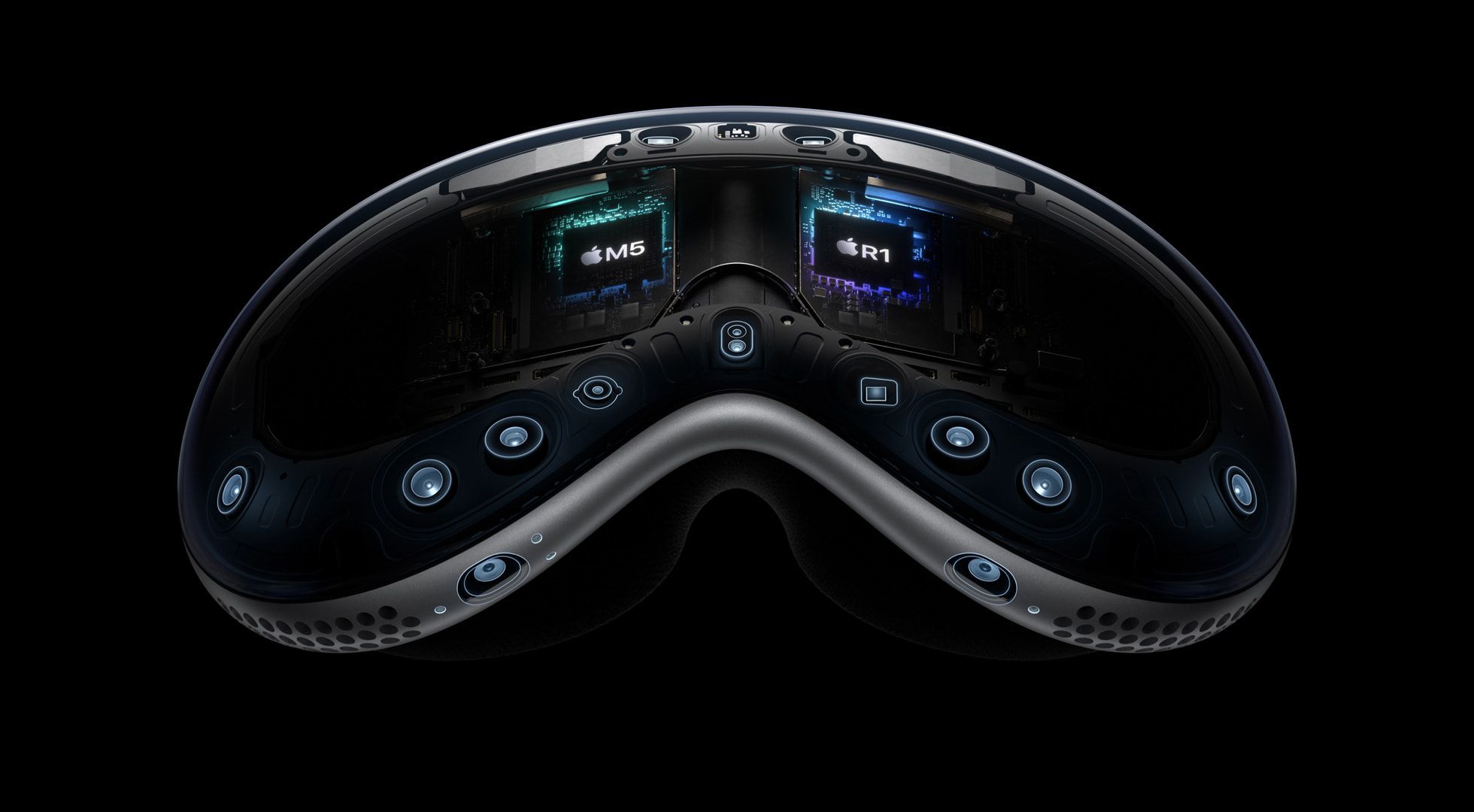
The $3,499 price tag and the headset’s considerable 1.3-pound heft have been widely identified as significant barriers to adoption. Despite initial whispers of production slowdowns as far back as 2024, Apple did roll out an updated model in late October 2025, featuring the M5 chip. This iteration boasted a boosted 120Hz refresh rate and a 10% increase in rendered pixels, alongside a redesigned headband intended to better distribute weight. However, the price remained fixed at $3,499, and, critically, sales reportedly saw no improvement. The MacRumors report highlights an unusually high return rate, far exceeding norms for Apple’s typically successful product launches.
A Strategic Reallocation?
Adding fuel to the fire of abandonment rumors, Bloomberg’s Mark Gurman reported on April 29th that Apple had dissolved the Vision Products Group in 2025, splitting its talent between software and hardware engineering departments. According to Gurman, a significant portion of the Vision Pro software team was reassigned to work on Siri, while the hardware contingent shifted focus to smart glasses development. Gurman cited comments from CEO John Ternus, suggesting a disinclination towards the Vision Pro as a core product.
Apple broke up the Vision Products Group a year ago, splitting the team across software engineering and hardware engineering. Then, Apple re-assigned much of the Vision Pro software team to Siri and the hardware team to smart glasses.
However, this narrative is far from settled. A degree of skepticism is evident, with observers pointing to current job board listings that appear to contradict the reports of a complete cessation of Vision Pro-related work. Indeed, Apple has posted several roles for the Vision Production Group in recent months.
What Does This Mean for the Future of Spatial Computing?
The ambiguity surrounding the Vision Pro’s fate leaves consumers and industry watchers in a state of bewilderment. What appears most plausible is a strategic pivot rather than a full retreat. Apple might be channeling its spatial computing efforts into a more streamlined, lighter augmented reality offering – essentially, smart glasses. Such a product, however, is likely still years away from a consumer-ready release, demanding significant advancements in miniaturization, power efficiency, and user interface design.
The existing Vision Pro technology, particularly its ability to achieve critical motion-to-photon latency targets for a realistic experience, may find new life within broader Apple ecosystems. One job posting noted that the technology “is now expanding to iOS and macOS,” hinting at a potential integration of its advanced spatial computing underpinnings into more mainstream devices. This suggests that while the Vision Pro as a standalone, high-priced headset might be winding down, the underlying R&D is far from dead. It’s being redeployed.
Apple’s strategy here is classic — a high-priced, bleeding-edge product that tests the waters and iterates on core technology, ultimately feeding into more accessible, mass-market devices. The Vision Pro’s failure to ignite widespread consumer enthusiasm doesn’t mean the vision for spatial computing is over; it means the execution, pricing, and form factor for broad appeal were, as the report suggests, perhaps prematurely dismissed. The market dynamics clearly show a high-end niche product struggling to justify its premium. This isn’t a repeat of the iPhone launch; it’s more akin to a complex scientific instrument finding its way into more practical, widespread applications over time. The price and weight are not just specs; they’re market signals.
Is Apple Truly Giving Up on Vision Pro?
The evidence is mixed. While reports cite team reassignments and slow sales as indicators of abandonment, ongoing recruitment for the Vision Production Group, along with statements about extending VisionOS technology to iOS and macOS, suggests a continuation of spatial computing efforts. The Vision Pro itself may be deprioritized or repositioned, but Apple’s investment in the underlying technology appears to persist.
Why is the Vision Pro So Expensive and Heavy?
The high cost and weight are attributed to the cutting-edge technology packed into the headset, including high-resolution micro-OLED displays, advanced eye-tracking sensors, sophisticated spatial audio, and powerful internal processors. Developing and manufacturing these components at the scale required for consumer electronics drives up the price and contributes to the device’s bulk. Early iterations of complex new hardware are often heavier and pricier as the technology matures and manufacturing processes are optimized.
What Will Apple’s Smart Glasses Be Like?
Apple’s next steps in wearables are widely speculated to be lightweight smart glasses. These would likely focus on augmented reality (AR) overlays for everyday tasks, potentially integrating with existing Apple devices for information display, notifications, and communication. Unlike the immersive nature of the Vision Pro, these glasses are expected to be more about enhancing reality rather than replacing it, aiming for a more discreet and socially acceptable form factor, though still likely years from market release.