AI Ethics Frameworks: Principles for Building Responsible AI Systems
A practical guide to AI ethics frameworks, covering the core principles of fairness, transparency, accountability, and privacy that organizations need to implement responsible AI systems.
⚡ Key Takeaways
- {'point': 'Fairness has multiple incompatible definitions', 'detail': 'Demographic parity, equalized odds, and individual fairness cannot all be satisfied simultaneously. Practitioners must explicitly choose and document which criteria to optimize for.'} 𝕏
- {'point': 'Regulation is becoming concrete and mandatory', 'detail': 'The EU AI Act imposes specific legal requirements on high-risk AI systems, and the NIST framework is increasingly referenced in U.S. government procurement, making ethics compliance a business necessity.'} 𝕏
- {'point': 'Implementation requires both governance and engineering', 'detail': 'Effective AI ethics combines organizational structures like ethics boards and review processes with technical practices like bias auditing, subgroup evaluation, and production monitoring.'} 𝕏
Worth sharing?
Get the best AI stories of the week in your inbox — no noise, no spam.
Related Stories

AI Ethics
EU AI Act Pins Down GPAI Model Providers—Finally?
AI Ethics
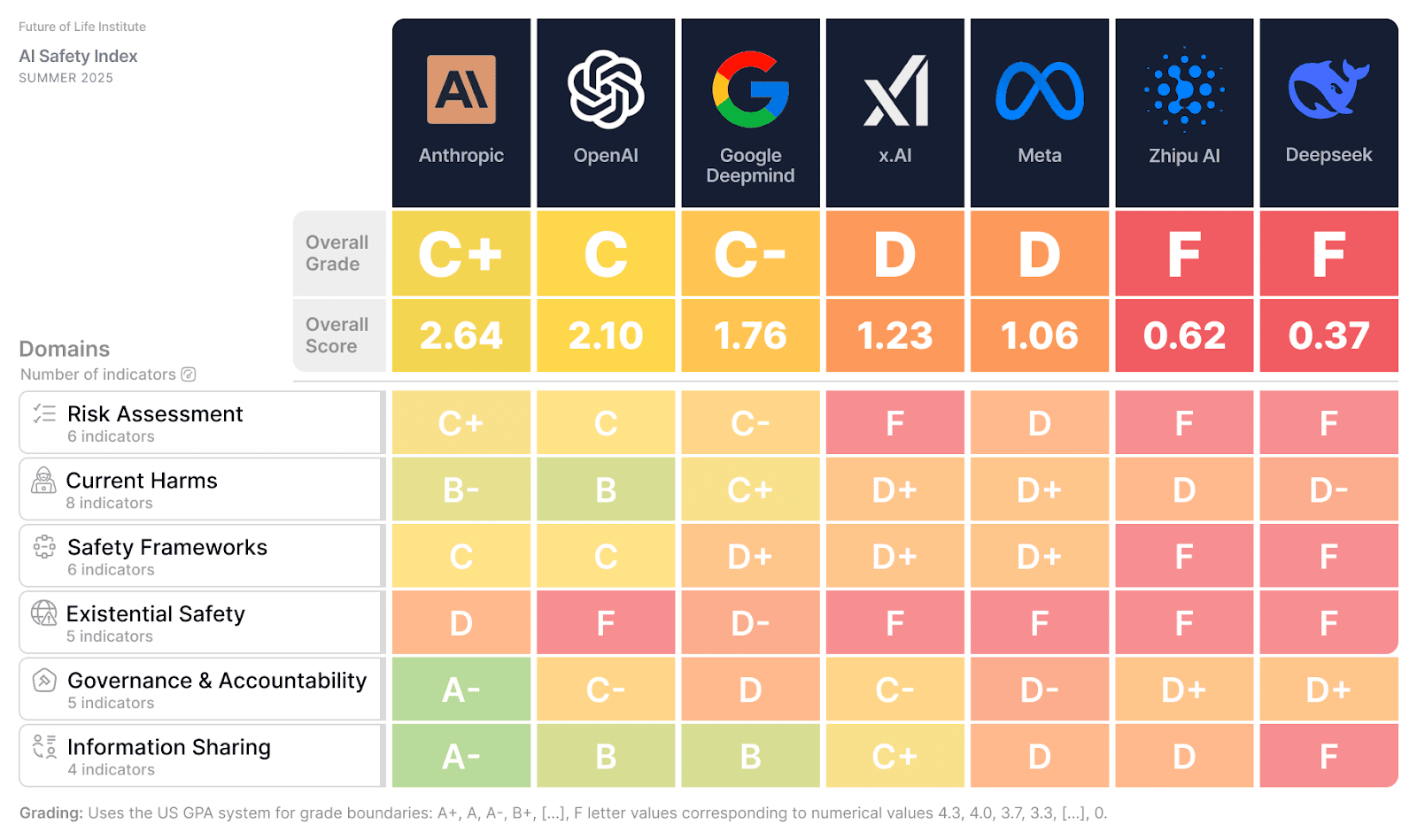
DeepMind Slips in AI Safety Rankings as No Lab Nails Real Control
AI Ethics
AI Bias: Understanding, Detecting, and Mitigating Algorithmic Discrimination

AI Lawsuits