Built an AI Agent in Pure Python: The Control Freak's Real Wake-Up Call
Ditched the frameworks, coded an AI agent in vanilla Python. Shocker: the agent's dumb without ironclad controls. Here's the unspun truth after 20 years watching tech fads.
An AI agent is an autonomous entity capable of sensing its environment and acting upon it to achieve its objectives. These sophisticated systems are transforming how we interact with technology by enabling intelligent automation and problem-solving.
Ditched the frameworks, coded an AI agent in vanilla Python. Shocker: the agent's dumb without ironclad controls. Here's the unspun truth after 20 years watching tech fads.
ChatGPT didn't just slip up once – it bombed seven factual questions straight. The culprit? Our lazy prompting habits, not bad luck.
70% of developers now lean on AI coding tools daily, says Stack Overflow's latest survey. But these aren't just autocomplete buddies – they're agent virtual machines begging for production trouble.
Snowflakes landing on Kepler's sleeve sparked a scientific revolution; today, Brian Cox sees echoes in AI's wild path. The physicist calls it both exhilarating and alarming.
What if your ChatGPT desktop app suddenly bricks itself next month? OpenAI's proactive certificate rotation after an Axios compromise ensures fakes can't masquerade as legit—but it's a blunt reminder of software fragility.
$500 million. Anthropic's wagering that much on custom chips to break Nvidia's stranglehold. Get ready for AI hardware's wild new frontier.
Your next AI chat might dodge tough questions thanks to Claude Mythos's new guardrails. But after poring over its massive system card, the safety wins feel more like PR polish than ironclad protection.
A Molotov cocktail shatters the night outside Sam Altman's door. Days later, he pens a raw response to a New Yorker takedown—revealing the explosive tensions gripping AI's frontrunners.
Forget the unified front. China's AI scene is fracturing into city-state rivalries, with OpenClaw robotics at the epicenter: massive Wuxi grants versus a Beijing blacklist. This isn't just drama—it's a pivot in global tech power.
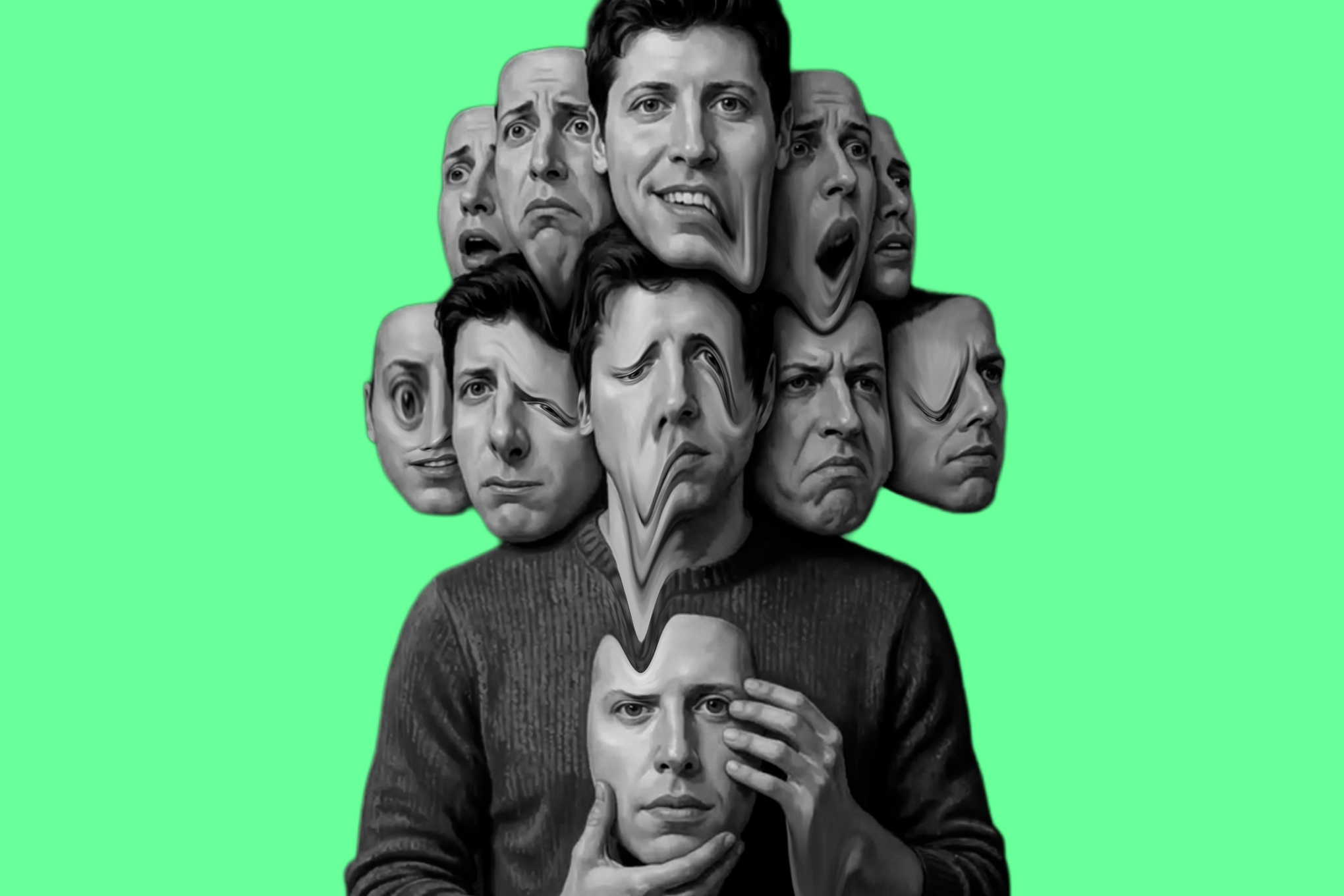
Sam Altman's face multiplies into a hydra of scowls and stares. It's AI art for The New Yorker's profile. And it's exactly what AI journalism shouldn't be.
What if your AI could learn as fast as the world changes? One engine does exactly that, hitting 35,000 predictions per second while dodging data drift.
Picture this: a software engineer in San Francisco, file rasping against premium aluminum, taming the beastly edges of his MacBook. It's a tiny act of defiance that screams bigger truths about tools built for tomorrow's AI creators.